Species · genus Monstera · Araceae
Swiss Cheese Plant
Monstera deliciosa Liebm.
Also known as: Fruit Salad Plant · Mexican Breadfruit · Tarovine · Cut-leaf-philodendron · Locust And Wild Honey
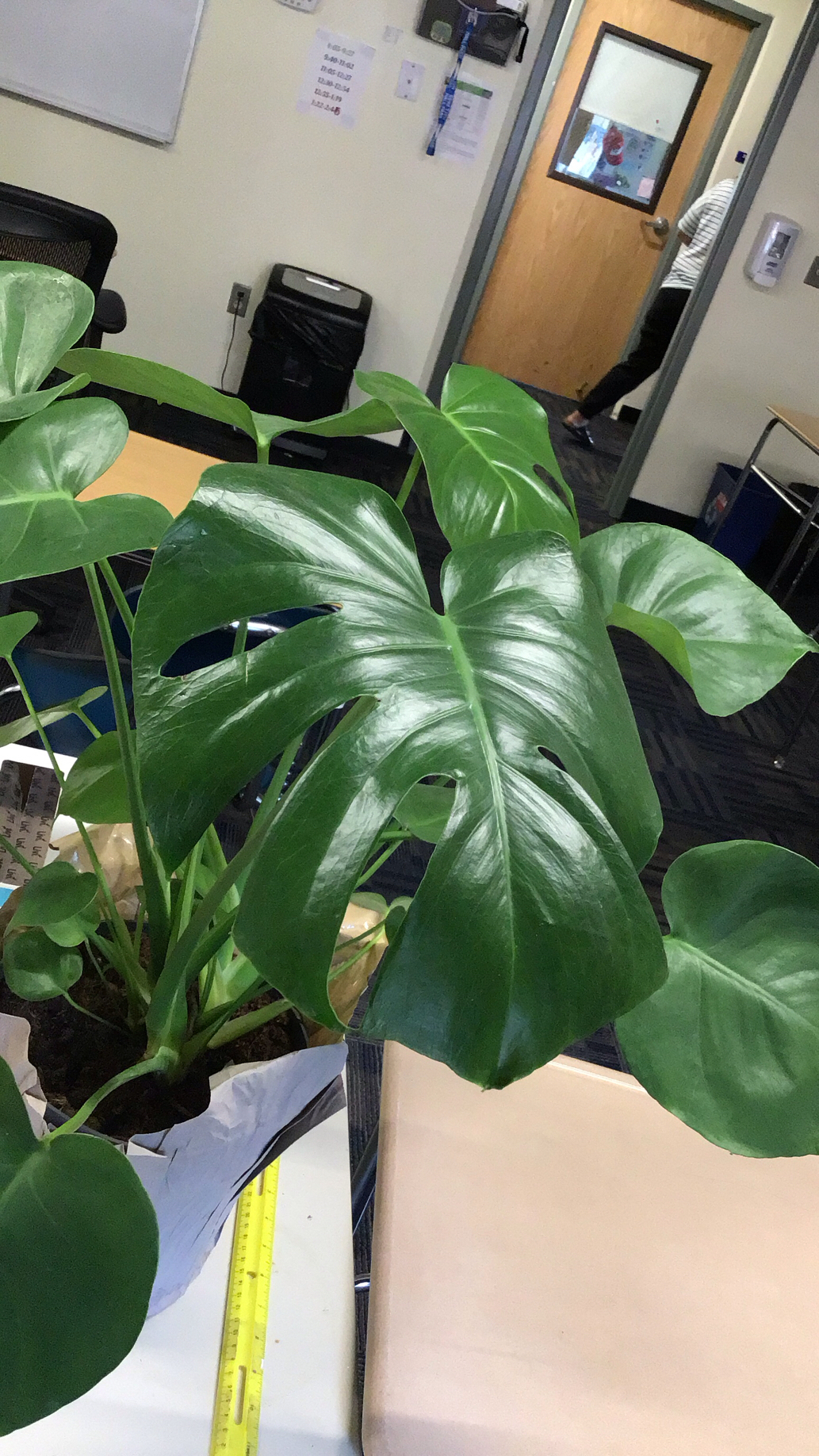
Cultivars of M. deliciosa
The named forms growers keep — each with its own page, each honest about how much we know.
‘Albo Variegata’
Variegation shows up in a few recognized patterns: Half Moon…
Well-documented‘Aurea’
Monstera Aurea (Marmorata) shows yellow variegation on its l…
Well-documented‘Mint’
This Monstera Mint Variegated carries minty white and pale g…
Well-documented‘Thai Constellation’
Monstera deliciosa 'Thai Constellation'
Well-documented‘White Monster’
Monstera deliciosa 'White Monster' is a variety whose new le…
Well-documentedGuide
The species-level account. Cultivar pages build on this and say where they differ.
Watering rhythm
Let the top few centimetres of mix dry before watering again — in most homes that lands every 7–10 days, stretching longer in winter. Deep, thorough waterings beat frequent sips; let the pot drain fully.
Source: ai:claude-fable-5
Light and fenestration
Bright, indirect light is what earns the famous splits. In dim corners new leaves come smaller and solid; a few hours of gentle morning sun is welcome, harsh midday sun scorches.
Source: ai:claude-fable-5
The moss pole
This is a climbing aroid — give it a moss pole or totem early and the leaves size up dramatically with each new node. Left to sprawl, it stays juvenile far longer.
Source: ai:claude-fable-5
Care recipe
The species record — the baseline every cultivar inherits unless it says otherwise.
Care notes are early — not yet verified
- Light
- Horta curated (seed)
- Water
- Horta editorial (hand-curated)
- Humidity
- ai:claude-opus-4-8
- Soil
- ai:claude-fable-5
- Care
- ai:claude-fable-5
Bright, indirect
≈ every 7 days
Medium
18–29 °C
Chunky, well-draining aroid mix — bark, perlite, and potting soil
Stem cuttings with a node, rooted in water or moist mix
Balanced liquid feed monthly through spring and summer; rest in winter
Fast
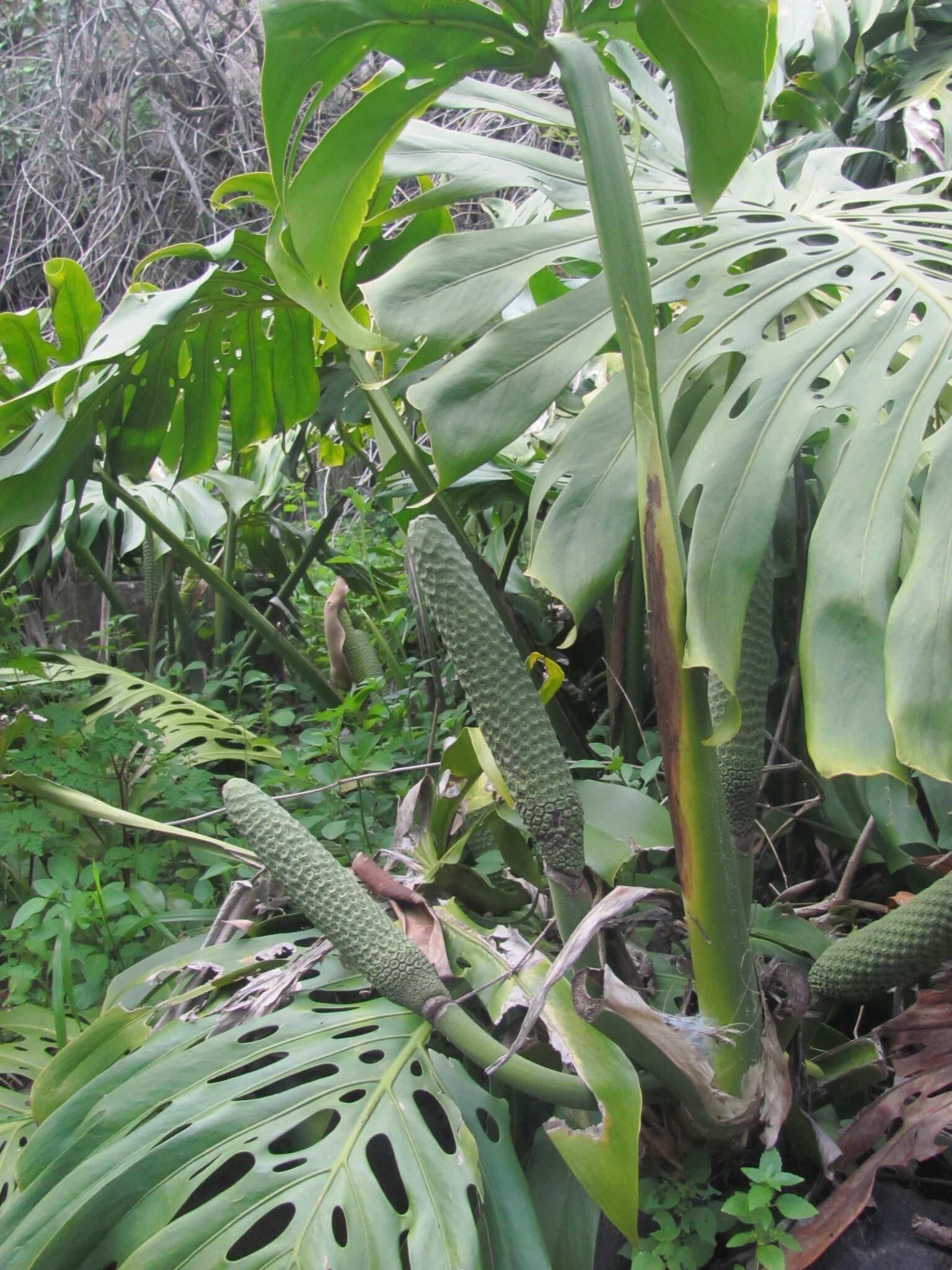
Rarely flowers indoors; mature outdoor plants bear spathe-and-spadix blooms
Toxic to cats & dogs
Insoluble calcium oxalates — oral irritation, drooling, vomiting. This is where toxicity lives: every cultivar of this species inherits it and none can override it.
Reference images
Every image credited. Licenses link to their deeds.
Primary


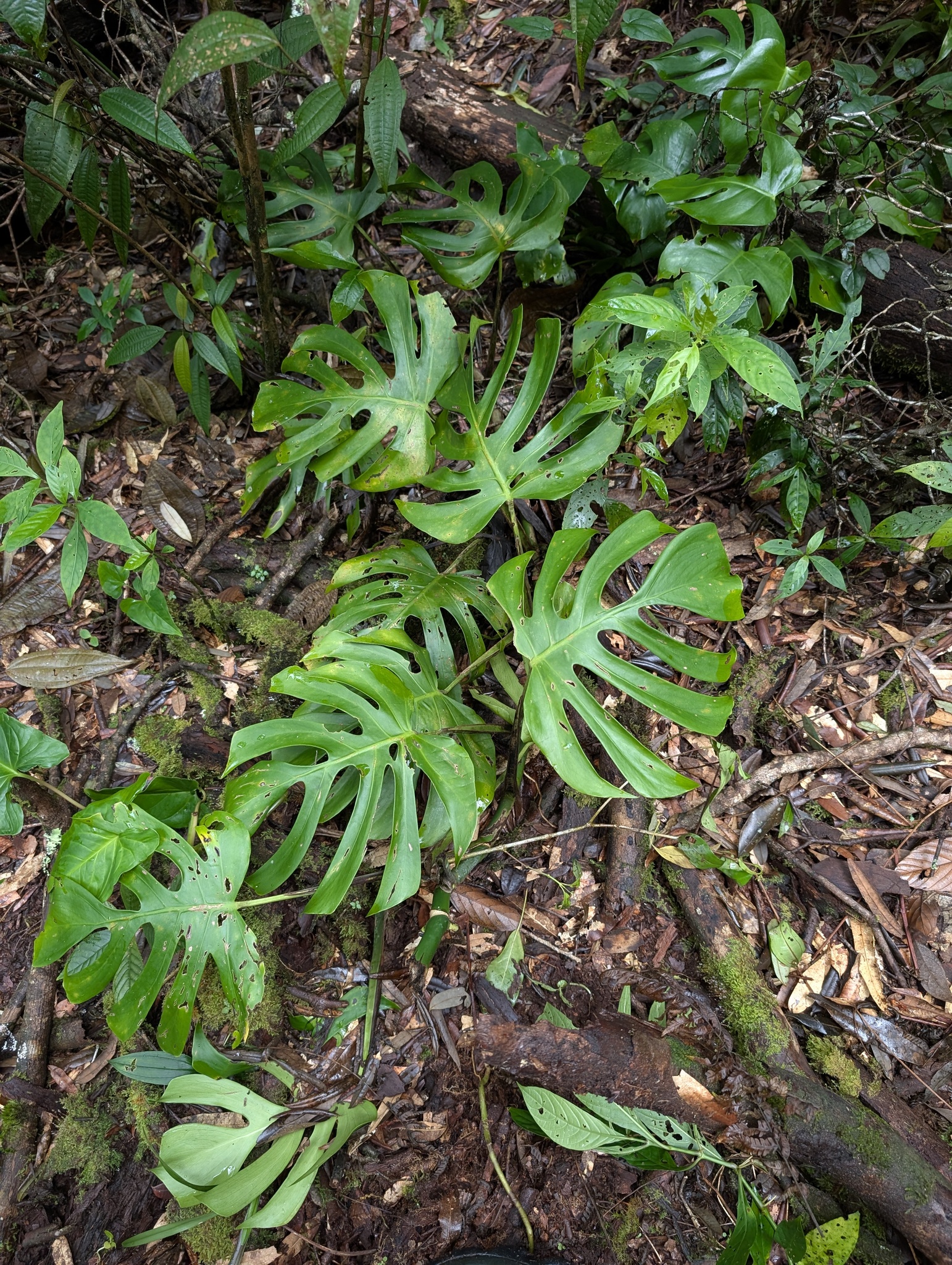
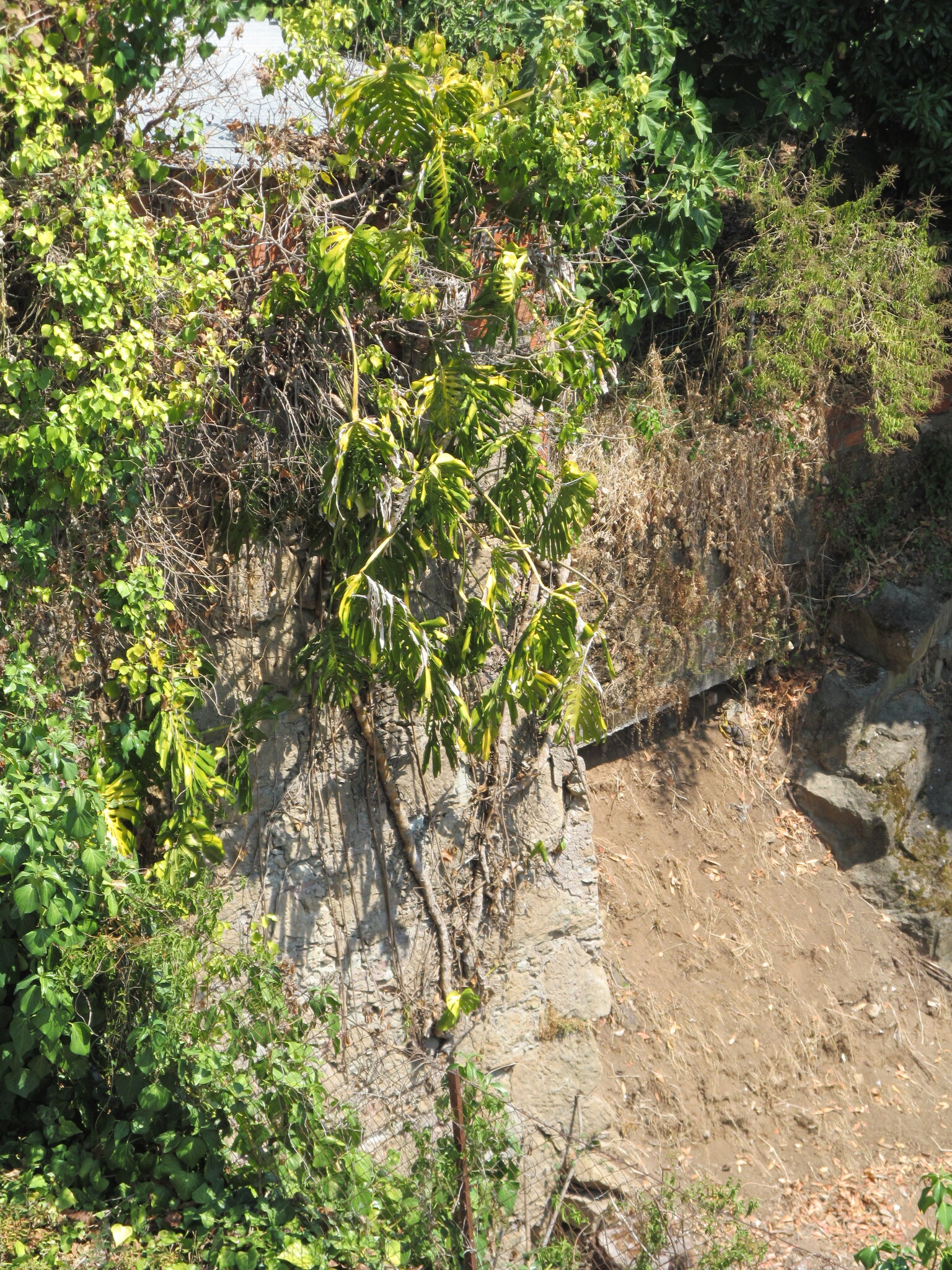
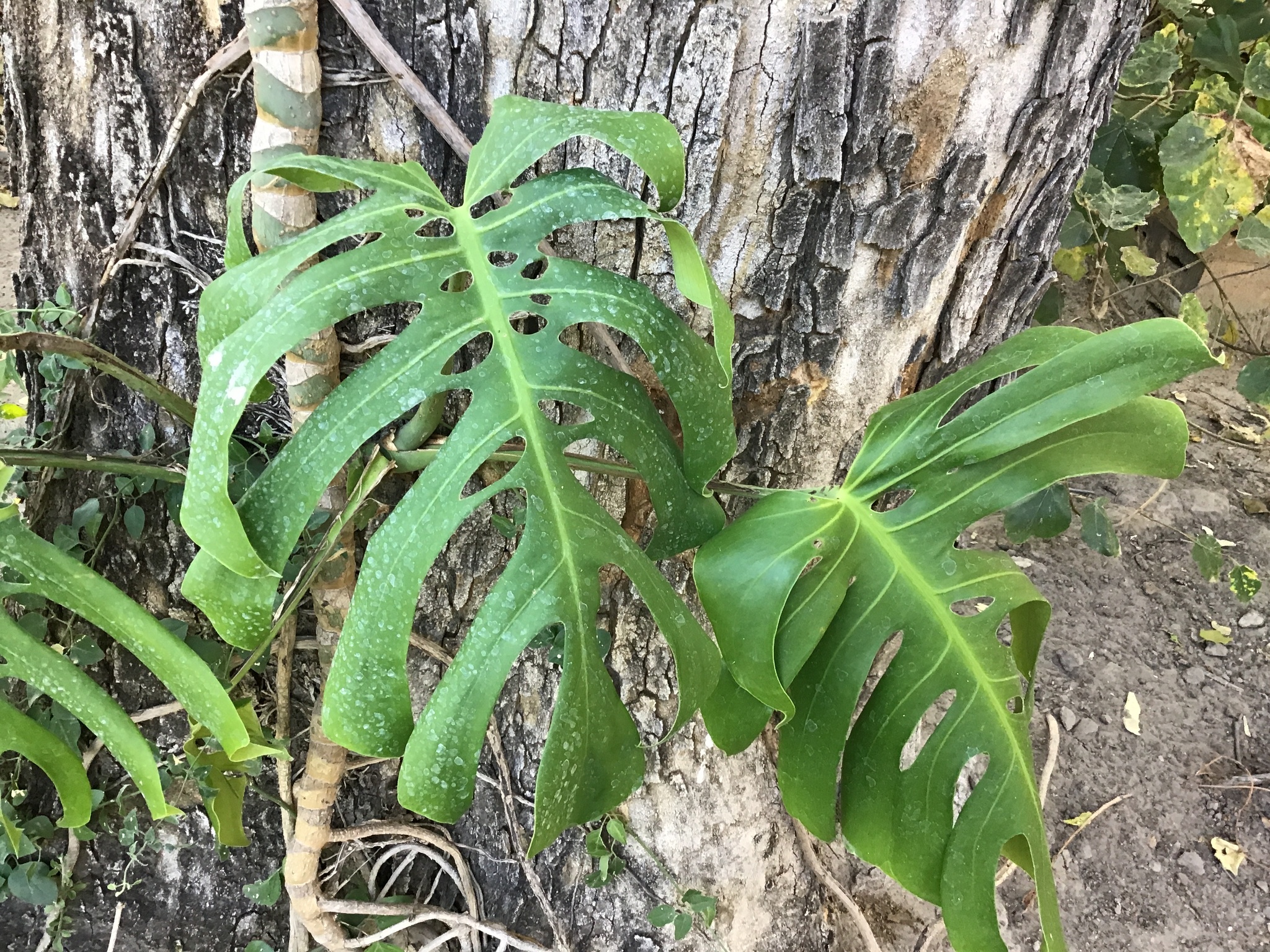
Sources: Horta curated (seed) · Horta editorial (hand-curated) · ai:claude-opus-4-8 · ai:claude-fable-5 · ASPCA
Kept true by its growers
Every fact here carries its source. Grow Swiss Cheese Plant yourself? What you’ve observed — how it drinks, how it holds its color, a name that’s off — and a clear photo of your plant are exactly what keep this page honest. Contributions are reviewed before anything changes.
Sign in to add what you know →