Species · genus Cissus · Vitaceae
Princess Vine
Cissus verticillata (L.) Nicolson & C.E.Jarvis
Also known as: Seasonvine · Pudding Withe · Possum Grape · Princessvine · Pudding Bush
Cultivars of C. verticillata
The named forms growers keep — each with its own page, each honest about how much we know.
No named cultivars catalogued under C. verticillata yet. When growers document a stable, named form, it earns its own page here.
Guide
The species-level account. Cultivar pages build on this and say where they differ.
Princess Vine, Introduced
Cissus verticillata, known commonly as princess vine, is a climbing member of the grape family, Vitaceae. The RHS also records it under the names bastard bryony and West Indian China root, and its older synonym Cissus sicyoides still turns up in plant literature.
Source: RHS
A Wide Tropical Range
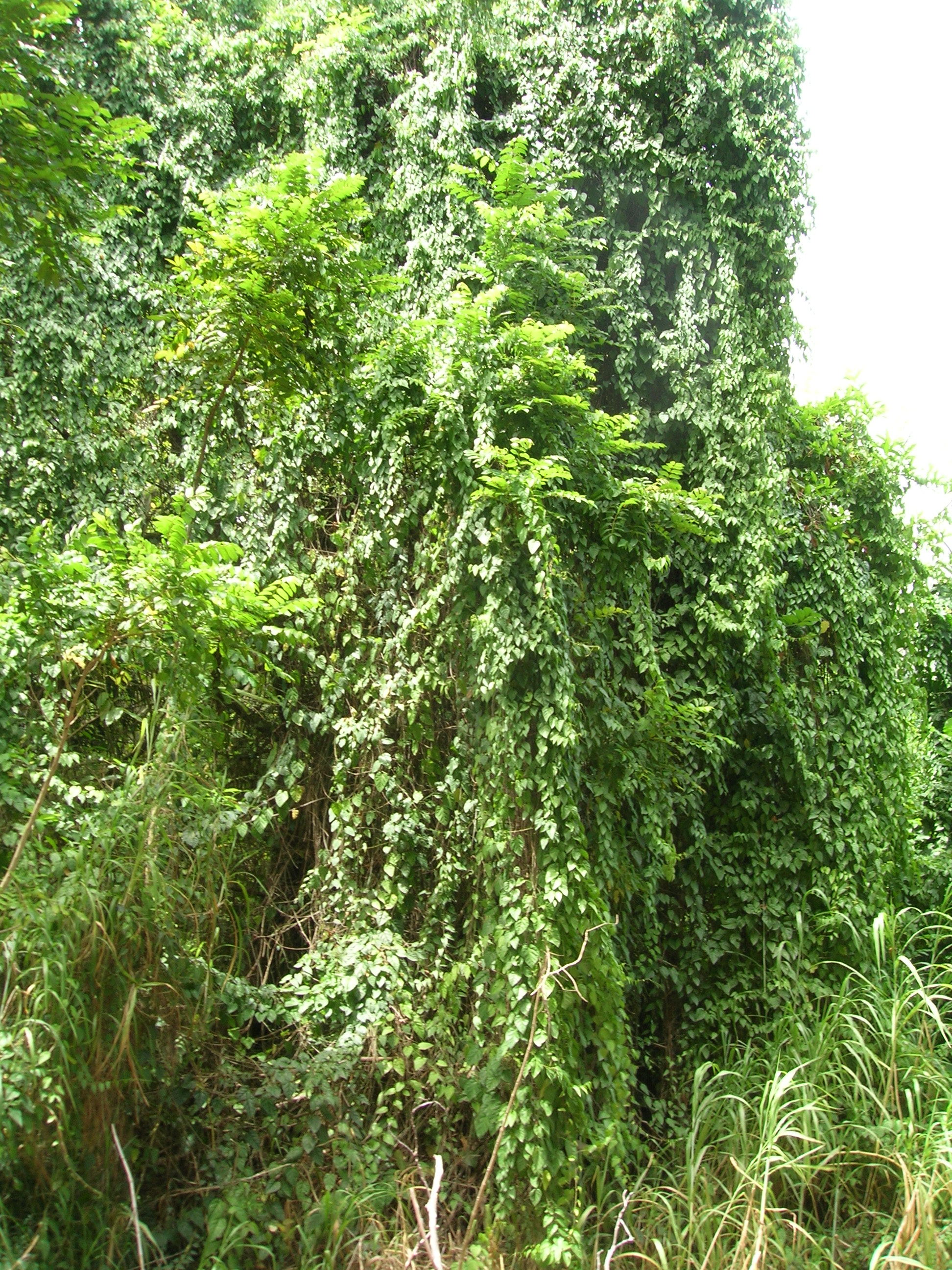
This species is native across a broad stretch of tropical and subtropical America, from Mexico and the Caribbean down through Central America and into much of South America, and it has also become naturalised in places such as Hawaii, Bangladesh and the Cook Islands. In the wild it grows as a liana, scrambling through wet tropical habitats rather than standing on its own. Kew notes it has long been put to use by people too, figuring in traditional medicine, food and other everyday purposes across its native range.
Source: Kew
A Climbing Habit
As a member of the genus Cissus, this plant follows the family pattern of a climbing or shrubby habit, sometimes with succulent stems, paired with simple or palmately lobed evergreen leaves. Its flowers are described as insignificant, clustered and followed in time by small berries, so the appeal here lies more in foliage and form than in bloom.
Source: RHS
Care recipe
The species record — the baseline every cultivar inherits unless it says otherwise.
Care notes are early — not yet verified
- Light
- ai:claude-opus-4-8
- Water
- ai:claude-opus-4-8 (range 7-12d)
- Humidity
- ai:claude-opus-4-8
- Soil
- ai:claude-fable-5
- Care
- ai:claude-fable-5
Bright, indirect
≈ every 12 days
Medium
15–30 °C
Rich, well-draining potting mix
Stem cuttings rooted in water or soil
Balanced liquid feed monthly in the growing season
Fast
Rarely flowers indoors
Not yet documented
This is where toxicity lives — every cultivar of this species inherits it and none can override it.
Reference images
Every image credited. Licenses link to their deeds.
Sources: ai:claude-opus-4-8 · ai:claude-opus-4-8 (range 7-12d) · ai:claude-fable-5
Kept true by its growers
Every fact here carries its source. Grow Princess Vine yourself? What you’ve observed — how it drinks, how it holds its color, a name that’s off — and a clear photo of your plant are exactly what keep this page honest. Contributions are reviewed before anything changes.
Sign in to add what you know →