Species · genus Zamioculcas · Araceae
ZZ Plant
Zamioculcas zamiifolia (G.Lodd.) Engl.
Also known as: Zanzibar Gem · Zeezee Plant
Cultivars of Z. zamiifolia
The named forms growers keep — each with its own page, each honest about how much we know.
No named cultivars catalogued under Z. zamiifolia yet. When growers document a stable, named form, it earns its own page here.
Guide
The species-level account. Cultivar pages build on this and say where they differ.
The Indestructible ZZ Plant
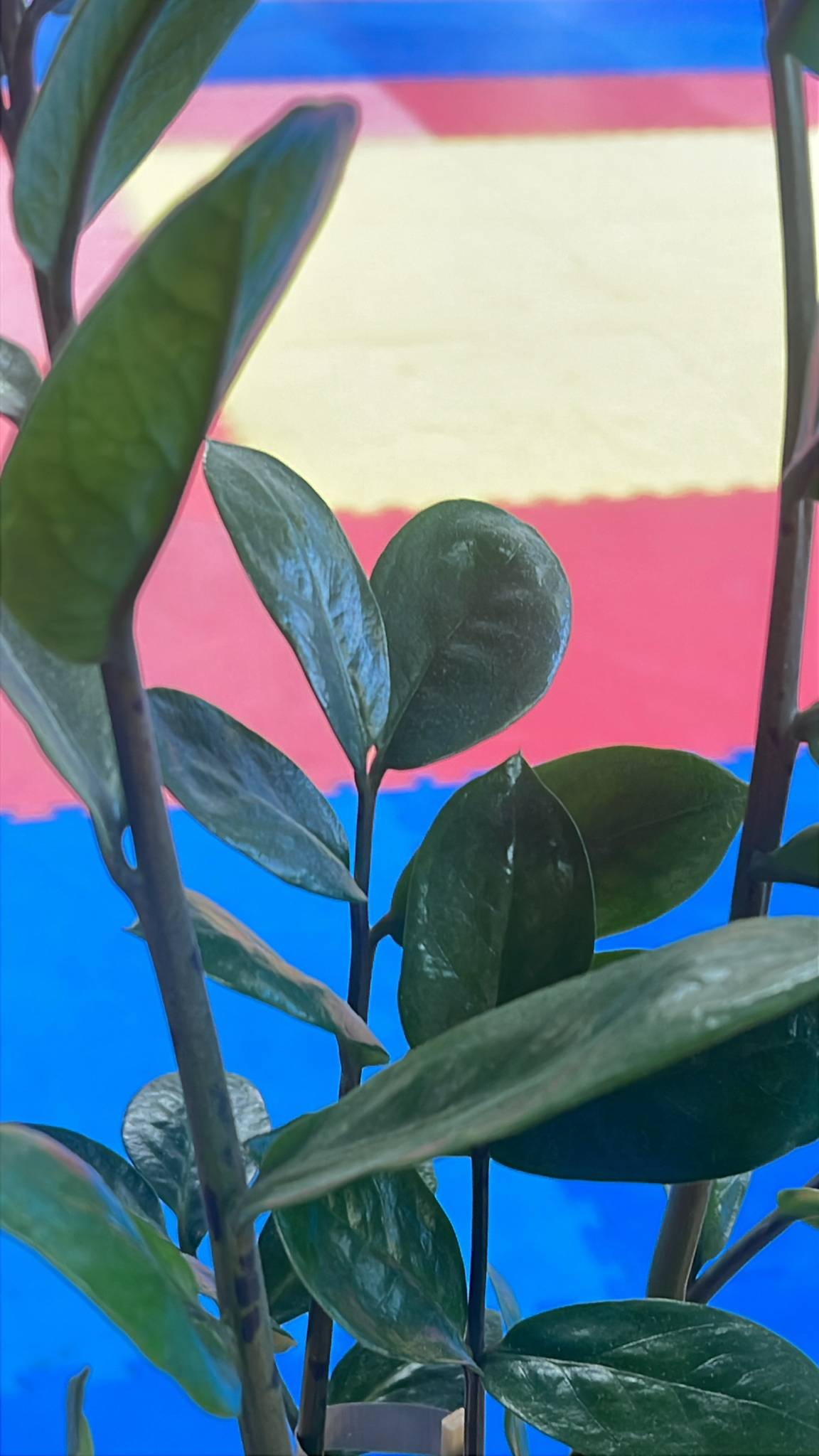
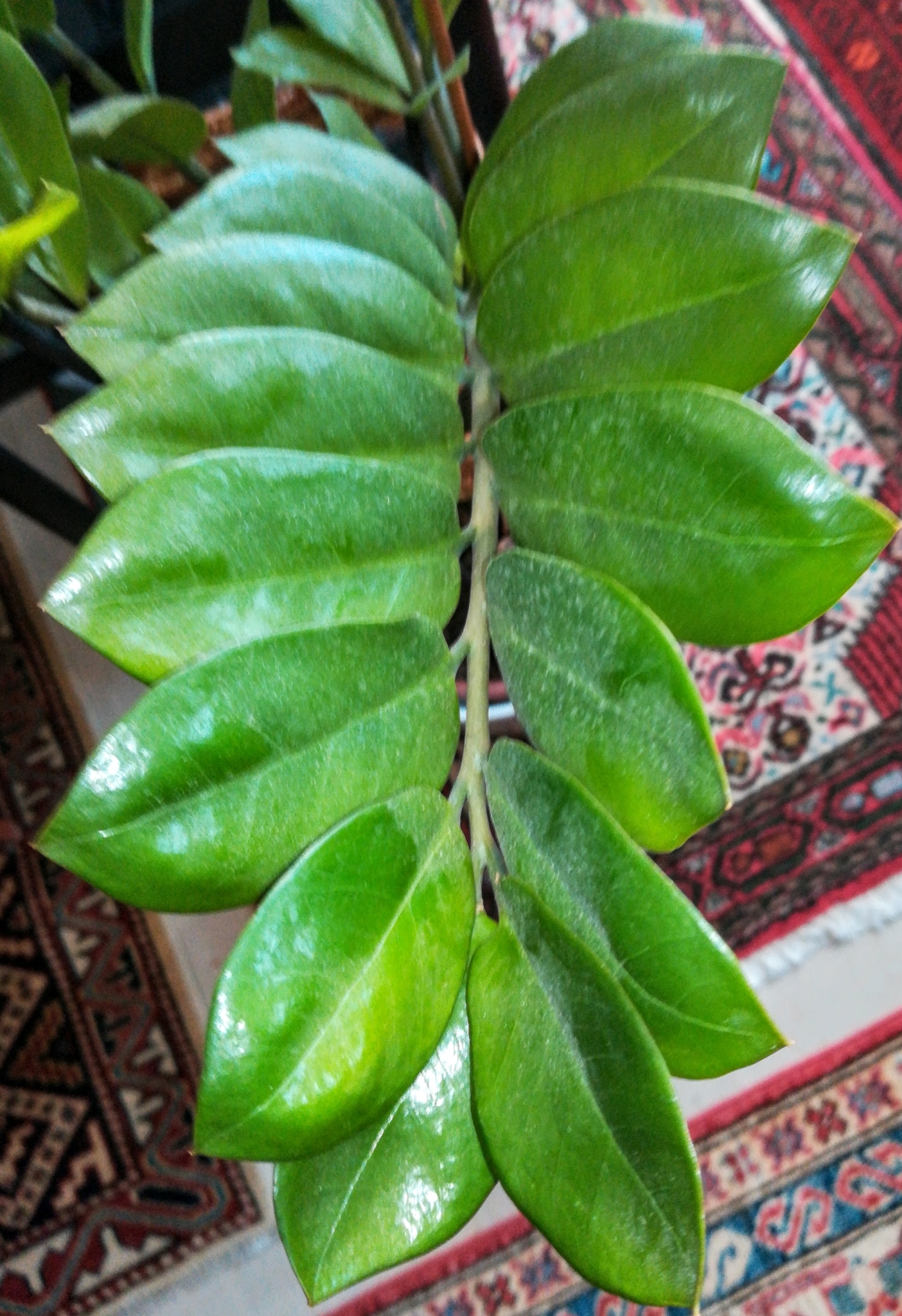
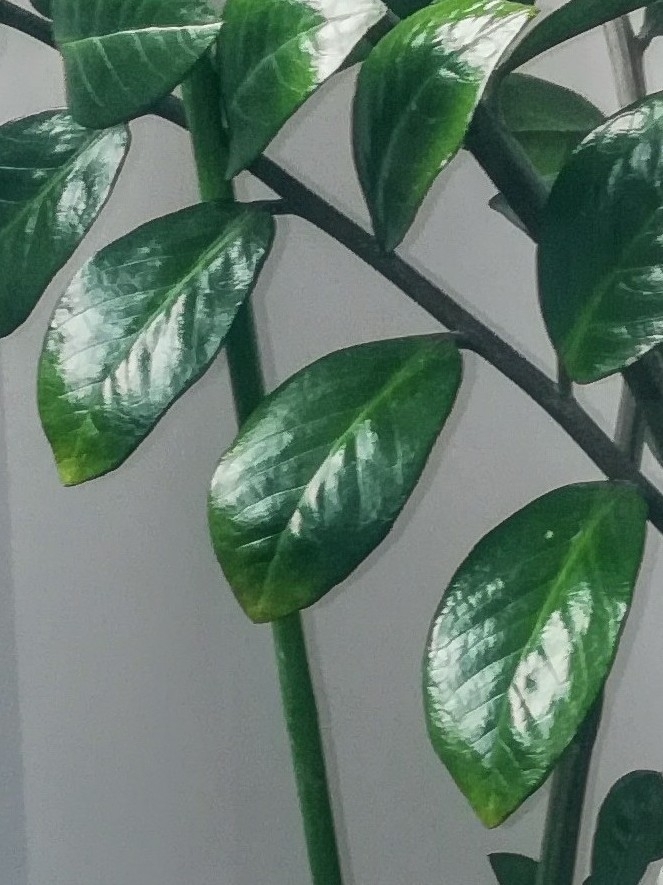
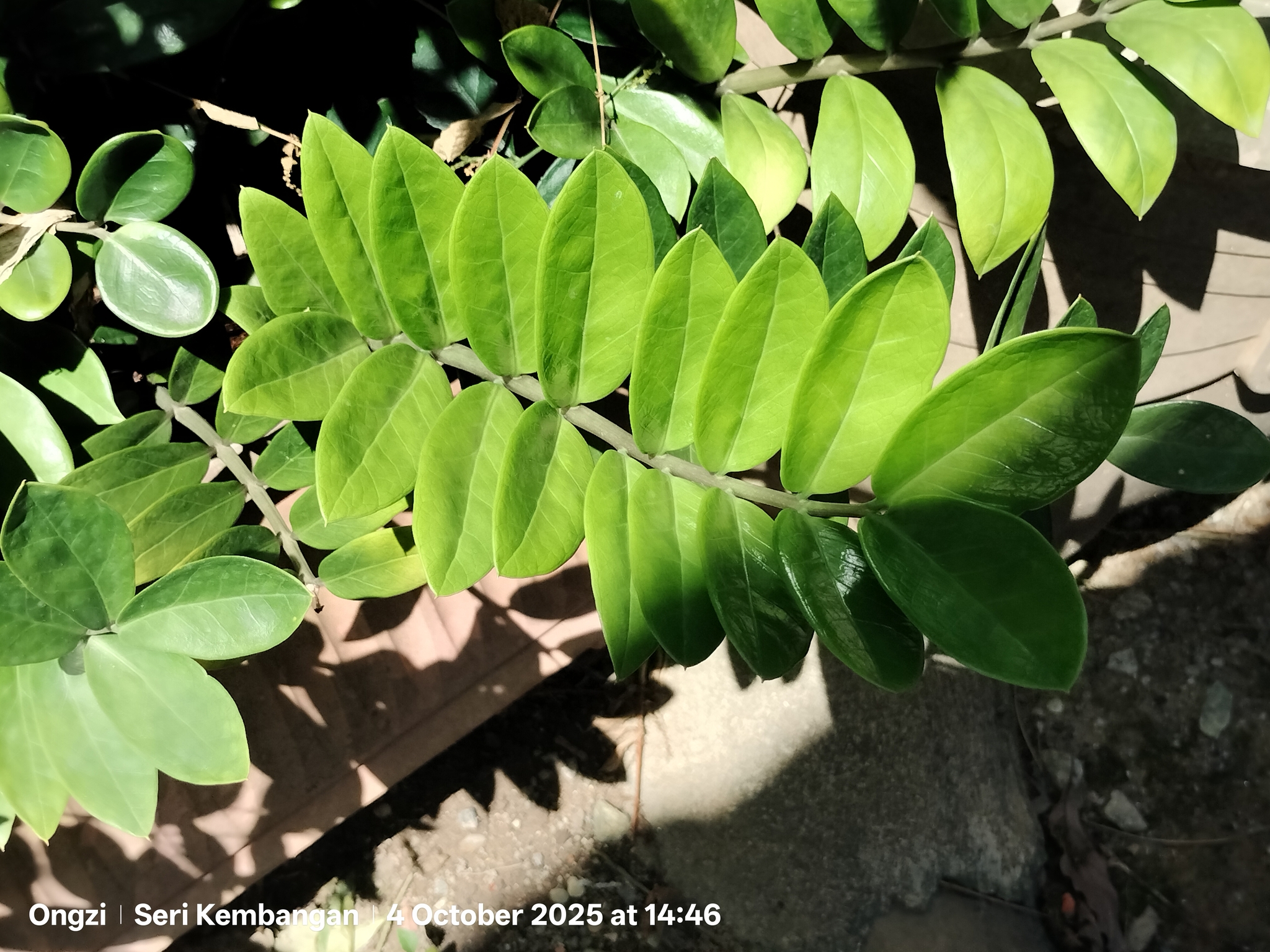
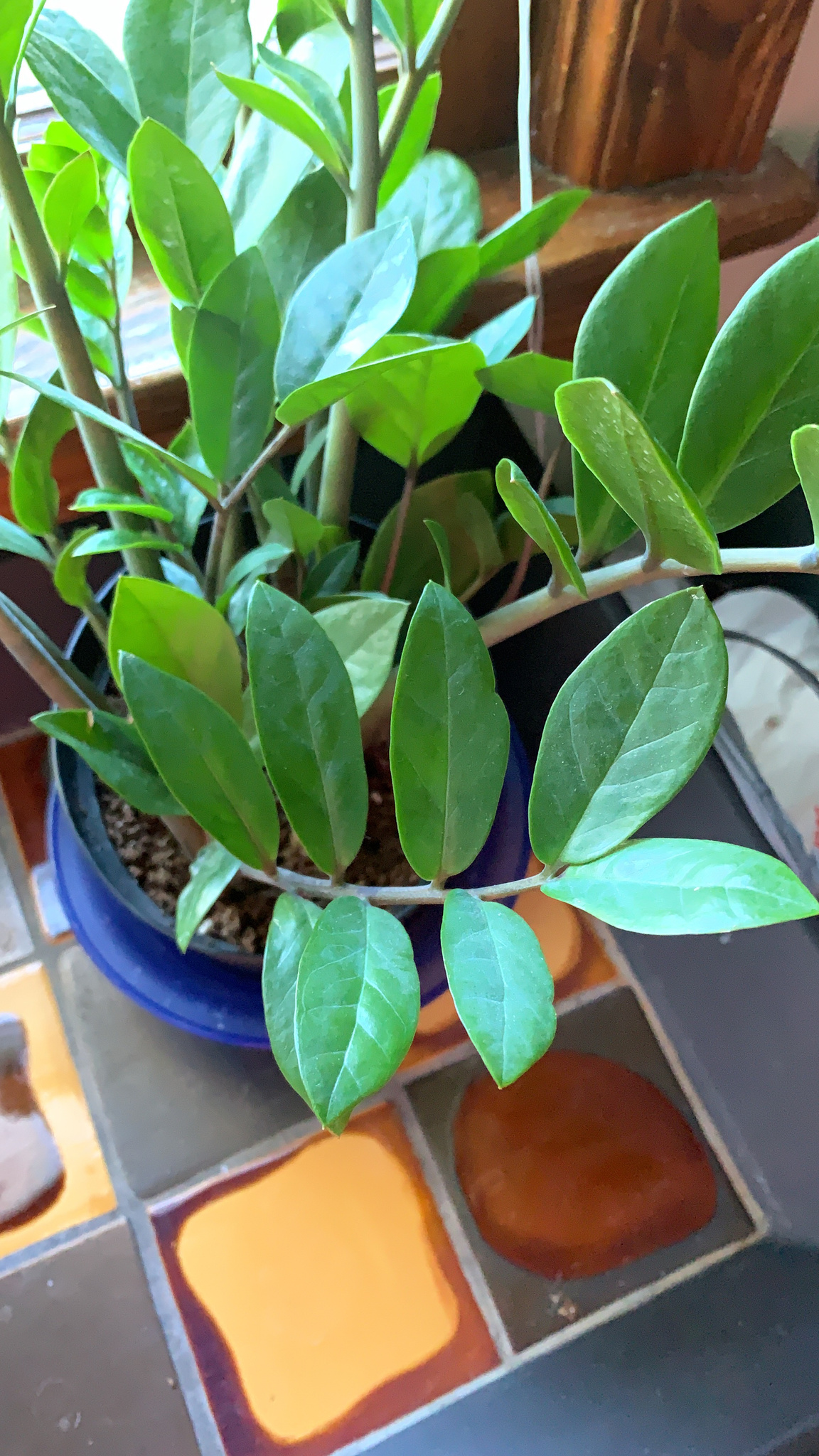
The ZZ plant, Zamioculcas zamiifolia, is a tough houseplant valued for its long stems and glossy, waxy green leaves that can look almost artificial. It also goes by Zanzibar gem, eternity plant, or emerald palm, and it belongs to the Araceae family alongside peace lilies and philodendrons.
Source: Epic Gardening
From East African Grasslands
This plant is native to the tropical African east coast, from Kenya down through Tanzania, Malawi, Zimbabwe, Mozambique, and into South Africa. Rather than dense rainforest, it grows wild in grassland and lowland forested areas with warm wet summers and dry winters, which is why it tolerates dry spells so well. It was first described in 1829 by George Loddiges, later reclassified into its own genus by Heinrich Wilhelm Schott, and given its full name by Adolf Engler; Dutch nurseries began commercial propagation around 1996.
Source: Epic Gardening
A Rhythm of Neglect
Give this plant indirect light to full shade, though it also tolerates low light with some stretching and can adapt to brighter conditions if not placed in harsh direct sun. Let the soil dry out fully between waterings, since its rhizomes hold reserves and are more at risk from overwatering than underwatering. It is not fussy about humidity, is generally happy in ordinary indoor warmth, and rarely needs feeding.
Source: UMN Extension
Leaves, Stems, or Division
The ZZ plant can be propagated by leaf cuttings, stem cuttings, or division, with division being the most reliable and fastest route to a full-sized replica of the parent, provided the plant is at least two to three years old. Stem or leaf cuttings can be rooted in water or in a moist mix of coconut coir and perlite, though this takes patience since rooting can take a few months. The RHS notes leaf cuttings specifically using single leaflets as a straightforward method.
Source: Epic Gardening
Built to Store Water
Underground, the ZZ plant grows thick potato-like rhizomes that store water and let it ride out long dry stretches. Its waxy leaf coating also cuts water loss, and, notably, the plant uses the same night-absorbing photosynthesis found in cacti and succulents, drawing in carbon dioxide after dark and keeping its pores shut through the day. Wild specimens actually look looser and droopier than the compact houseplant form, with more space between leaves.
Source: UMN Extension
Occasional Sap Suckers
The ZZ plant is not often bothered by pests, but scale, aphids, and mealybugs can occasionally turn up. Scale appears as small brown pinhead dots, mostly on leaf undersides, sucking sap until leaves droop, yellow, and drop; aphids leave marks and distortion; mealybugs stunt growth and turn leaves yellow while leaving a powdery residue. Wiping affected areas with soapy water or isopropyl alcohol, or rinsing the plant well, addresses light infestations.
Source: Epic Gardening
Reading the Leaves
Most ZZ plant trouble traces back to light or watering: too much direct sun can scald leaves, while yellowing or browning often signals either overwatering or underwatering. If sun damage appears, moving the plant to a more filtered spot helps; if leaves discolor, checking the watering routine first is the better fix than assuming disease.
Source: Epic Gardening
Little Upkeep Needed
Pruning is rarely necessary beyond removing damaged, browning, or overly long stems, or cutting material for propagation; the RHS likewise notes no pruning is required beyond removing faded leaves and flowers at soil level. Wiping dusty leaves with a damp cloth helps the plant make better use of available light. Repotting is only needed every two to three years, since disturbing the rhizomes too often adds unnecessary stress.
Source: Epic Gardening
Care recipe
The species record — the baseline every cultivar inherits unless it says otherwise.
Care notes are early — not yet verified
- Light
- Horta curated (seed)
- Water
- ai:claude-opus-4-8 (range 14-28d)
- Humidity
- ai:claude-opus-4-8
- Soil
- ai:claude-fable-5
- Care
- ai:claude-fable-5
Low light
≈ every 28 days
Low — average room
15–26 °C
Gritty, free-draining mix — cactus mix cut with perlite
Leaf cuttings (slow but reliable) or division of the rhizomes
Light feed once or twice a season — easily overfed
Slow
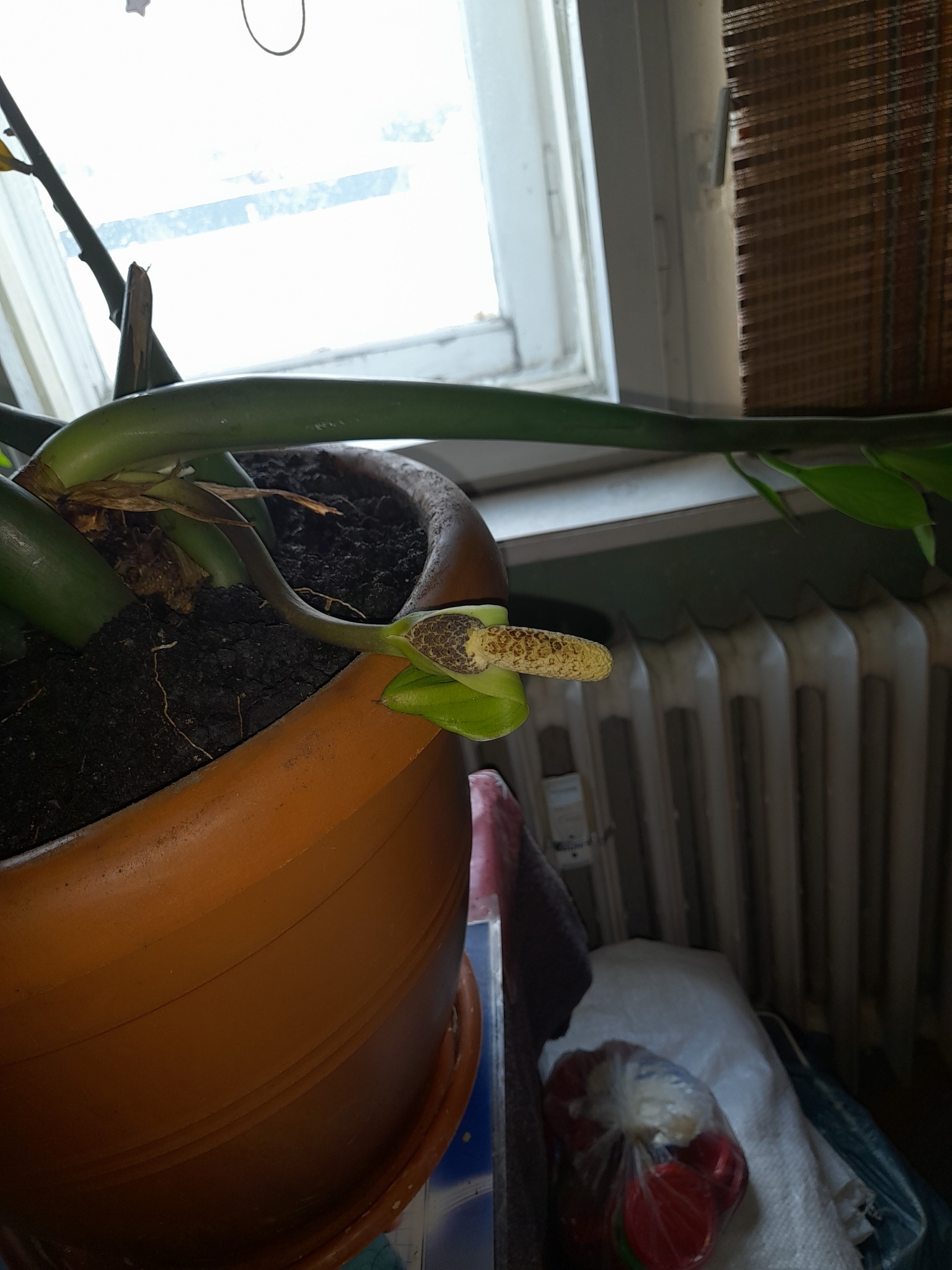
Inconspicuous spadix at the base; rare indoors
Toxic to cats & dogs
Insoluble calcium oxalates — oral irritation, drooling, vomiting. This is where toxicity lives: every cultivar of this species inherits it and none can override it.
Reference images
Every image credited. Licenses link to their deeds.
Primary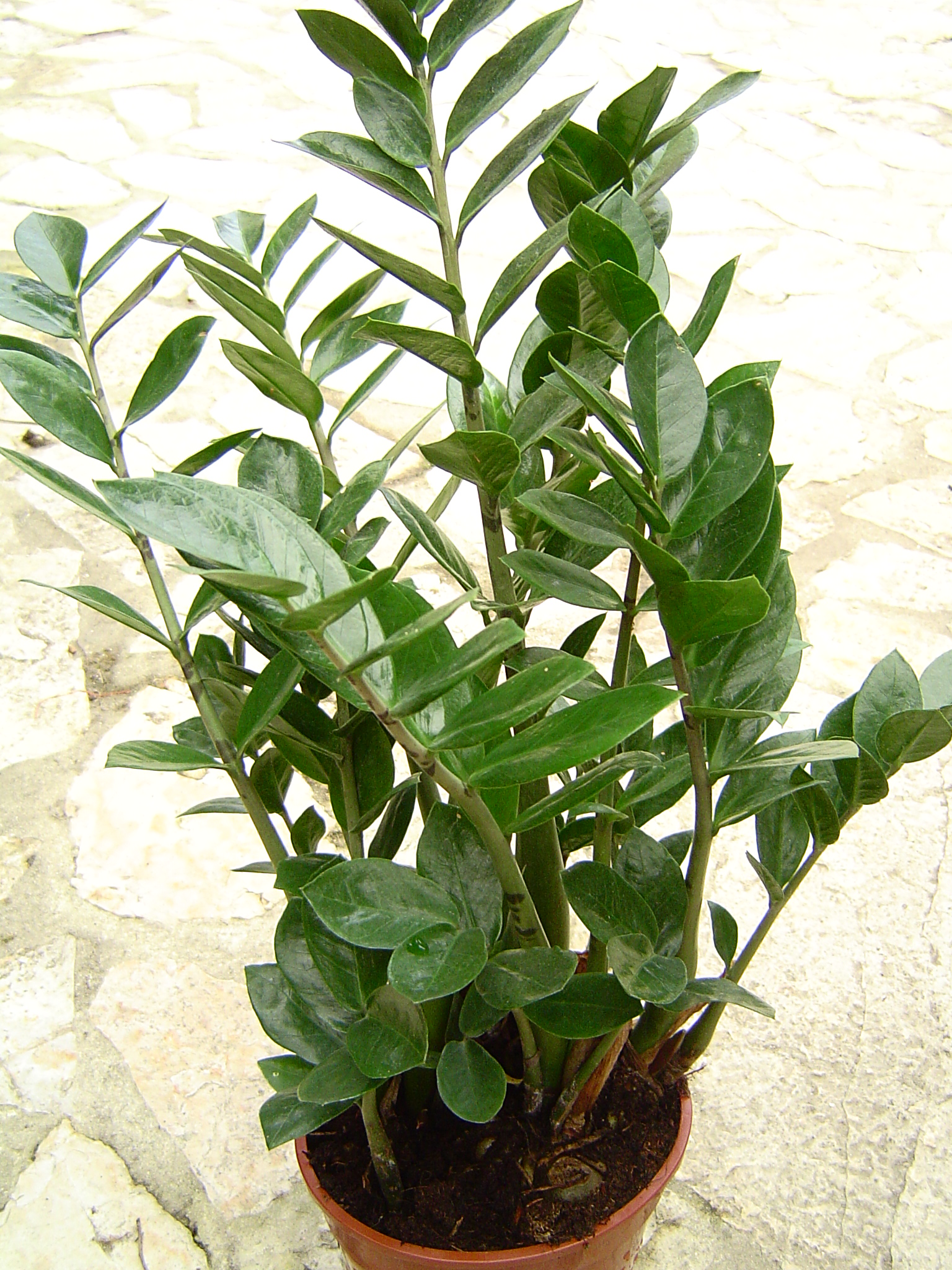


Sources: Horta curated (seed) · ai:claude-opus-4-8 (range 14-28d) · ai:claude-opus-4-8 · ai:claude-fable-5 · ASPCA
Kept true by its growers
Every fact here carries its source. Grow ZZ Plant yourself? What you’ve observed — how it drinks, how it holds its color, a name that’s off — and a clear photo of your plant are exactly what keep this page honest. Contributions are reviewed before anything changes.
Sign in to add what you know →