Species · genus Zamia · Zamiaceae
Florida Arrowroot
Zamia integrifolia L.f.
Also known as: Bay-rush · Comfort Root · Coontie · Florida Coontie · Wild Sago
Cultivars of Z. integrifolia
The named forms growers keep — each with its own page, each honest about how much we know.
No named cultivars catalogued under Z. integrifolia yet. When growers document a stable, named form, it earns its own page here.
Guide
The species-level account. Cultivar pages build on this and say where they differ.
A Native Florida Cycad
Zamia integrifolia is a low, subshrubby cycad rather than a true palm, despite its palm-like look. It belongs to the family Zamiaceae, within the ancient cycad order Cycadales.
Source: Kew
A Southeastern Coastal Range
This species is native to a compact stretch of the subtropics: southeastern Georgia down through Florida, and on to the Bahamas, Cuba, and the Cayman Islands. It grows there as part of the subtropical biome, and the accepted name was first published in 1789 in the Hortus Kewensis.
Source: Kew
Habit and Classification
As a subshrub, it keeps a modest, ground-hugging form rather than reaching tree size. Botanically it sits in the cycad subclass Cycadidae, and the species itself is further divided into five accepted varieties, including the typical variety integrifolia found in Florida, the Bahamas, Cuba, and the Cayman Islands.
Source: Kew
Care recipe
The species record — the baseline every cultivar inherits unless it says otherwise.
Care notes are early — not yet verified
- Light
- ai:claude-opus-4-8
- Water
- ai:claude-opus-4-8 (range 10-21d)
- Humidity
- ai:claude-opus-4-8
- Soil
- ai:claude-fable-5
- Care
- ai:claude-fable-5
Bright, indirect
≈ every 21 days
Medium
15–29 °C
Gritty, fast-draining sandy mix with added pumice or perlite
Division of offsets or seed; slow to establish
Light balanced feed 2-3 times across the growing season
Slow
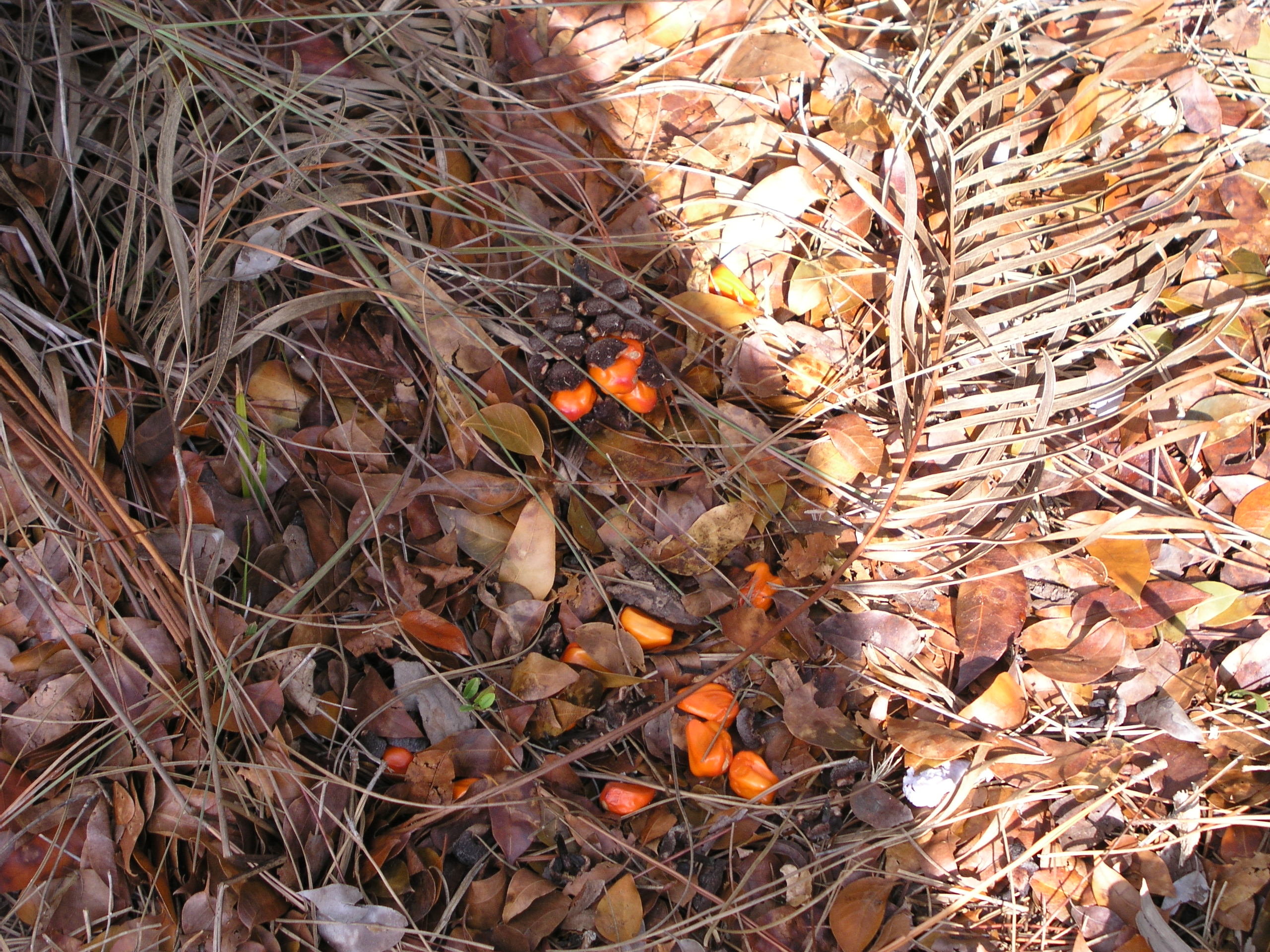
Produces cones rather than flowers; rare indoors
Toxic to cats & dogs & humans
Cycads (Zamiaceae) contain cycasin and other glycosides that are highly toxic, especially the seeds, causing liver failure if ingested. This is where toxicity lives: every cultivar of this species inherits it and none can override it.
Reference images
Every image credited. Licenses link to their deeds.
Sources: ai:claude-opus-4-8 · ai:claude-opus-4-8 (range 10-21d) · ai:claude-fable-5 · ai:claude-opus-4-8 (family inference)
Kept true by its growers
Every fact here carries its source. Grow Florida Arrowroot yourself? What you’ve observed — how it drinks, how it holds its color, a name that’s off — and a clear photo of your plant are exactly what keep this page honest. Contributions are reviewed before anything changes.
Sign in to add what you know →