Species · genus Zamia · Zamiaceae
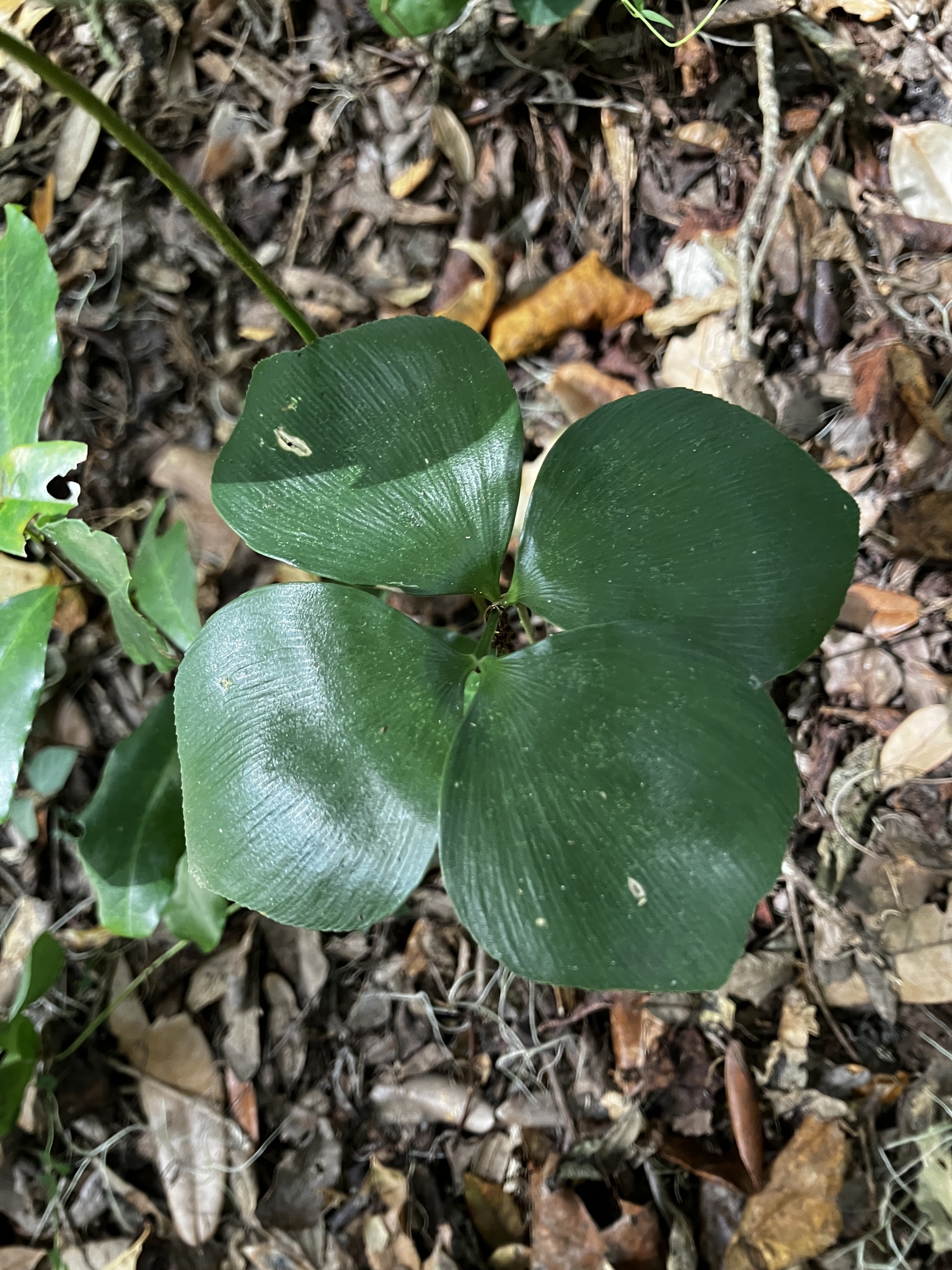
Cardboard Palm
Zamia furfuracea L.f.
Also known as: Cardboard Cycad · Cycad
Cultivars of Z. furfuracea
The named forms growers keep — each with its own page, each honest about how much we know.
No named cultivars catalogued under Z. furfuracea yet. When growers document a stable, named form, it earns its own page here.
Guide
The species-level account. Cultivar pages build on this and say where they differ.
A Cycad Called Cardboard Palm
Cardboard palm goes by the botanical name Zamia furfuracea, a member of the Zamiaceae family, and is also known as the Jamaica sago tree. It is not a true palm at all, despite the common name, but a cycad, one of the ancient cone-bearing plant lines.
Source: RHS
A Word of Caution
This plant appears on the ASPCA's list of species toxic to cats, so it is worth keeping it well out of paws' reach in a home with curious animals. If a cat chews on it, treat it as a poisoning concern rather than a minor upset.
Source: ASPCA
Care recipe
The species record — the baseline every cultivar inherits unless it says otherwise.
Care notes are early — not yet verified
- Light
- ai:claude-opus-4-8
- Water
- ai:claude-opus-4-8 (range 10-21d)
- Humidity
- ai:claude-opus-4-8
- Soil
- ai:claude-fable-5
- Care
- ai:claude-fable-5
Bright, indirect
≈ every 21 days
Medium
10–30 °C
Gritty, very well-draining sandy cactus mix
Seed or removed offsets (slow)
Dilute balanced feed a few times in spring and summer
Slow
Does not flower — cycad; cones only rarely indoors
Toxic to cats & dogs & horses & humans
Severely poisonous — this cycad's toxins (cycasin and BMAA) attack the liver. The seeds are the most dangerous part: eating just one or two can be fatal to a dog. Ingestion can cause vomiting, bloody stools, jaundice, and liver failure in pets and people. Keep it well out of reach of pets and children, and treat any ingestion as an emergency. This is where toxicity lives: every cultivar of this species inherits it and none can override it.
Reference images
Every image credited. Licenses link to their deeds.
PrimarySources: ai:claude-opus-4-8 · ai:claude-opus-4-8 (range 10-21d) · ai:claude-fable-5 · NC State Extension Plant Toolbox — Zamia furfuracea (species entry); ASPCA — Cardboard Palm (Zamia spp.)
Kept true by its growers
Every fact here carries its source. Grow Cardboard Palm yourself? What you’ve observed — how it drinks, how it holds its color, a name that’s off — and a clear photo of your plant are exactly what keep this page honest. Contributions are reviewed before anything changes.
Sign in to add what you know →