Species · genus Xanthosoma · Araceae
Capote
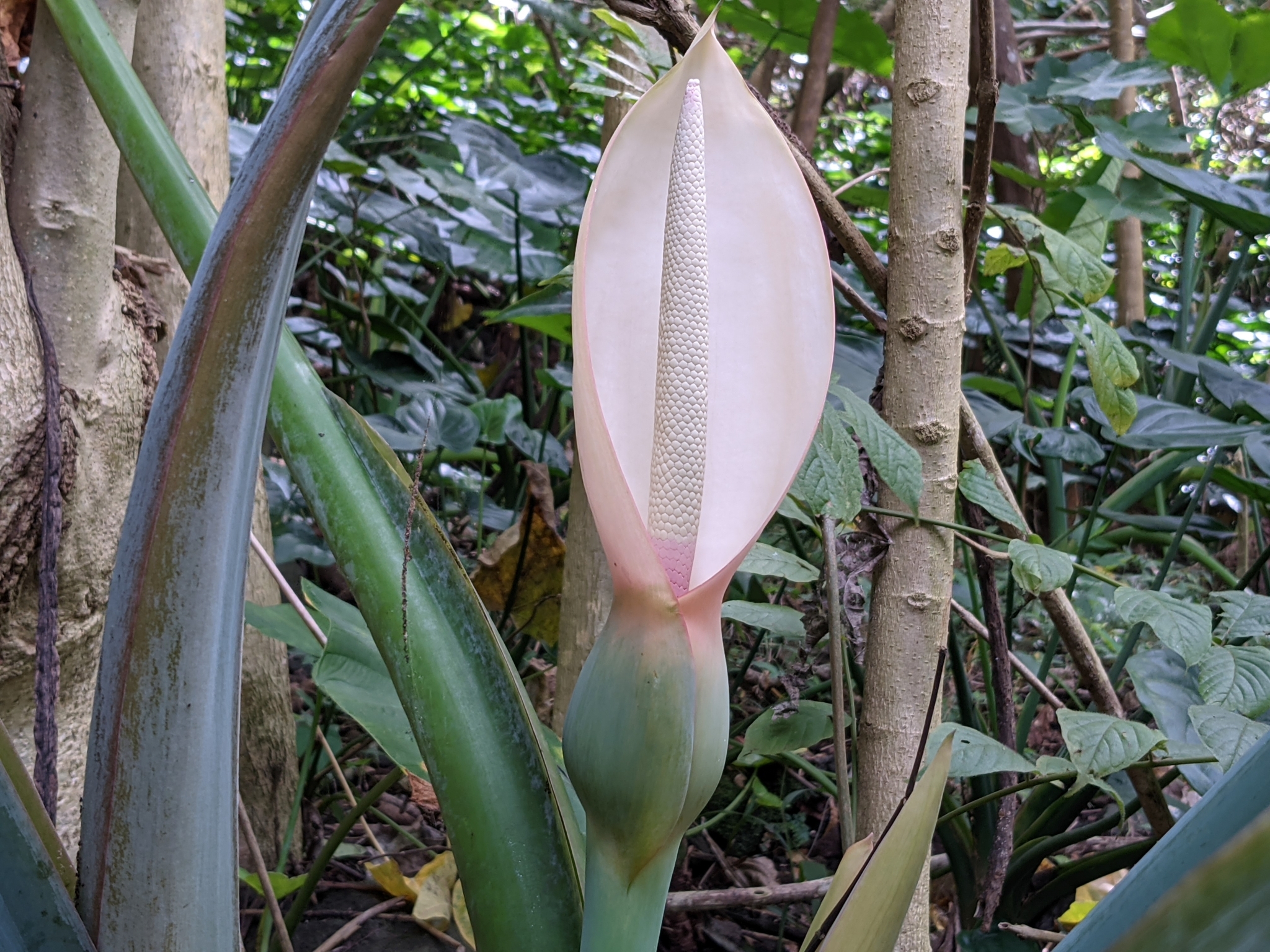
Xanthosoma robustum Schott
Also known as: Elephant Ear
Cultivars of X. robustum
The named forms growers keep — each with its own page, each honest about how much we know.
No named cultivars catalogued under X. robustum yet. When growers document a stable, named form, it earns its own page here.
Guide
The species-level account. Cultivar pages build on this and say where they differ.
A striking variegated aroid
Xanthosoma lindenii, sold under names like Caladium lindenii and Phyllotaenium lindenii, is a rare tropical houseplant grown for its arrow-shaped leaves marked with creamy-white veins. It belongs to the aroid family, putting it in company with alocasia, philodendron, monstera, and peace lily.
Source: Costa Farms
A Colombian rainforest native
This plant traces back to the tropical rainforests of Colombia and Panama, where it grows as an understory species. Its wider genus, Xanthosoma, is native to Central Mexico through Central America, occupying wet tropical habitats and even carrying traditional uses as food and medicine in its home range.
Source: Kew
Bright light, steady moisture
Give this plant medium to bright indirect light, whether natural or supplemented with fluorescent or LED bulbs, and keep it out of direct afternoon sun, which can scorch the foliage. Water as the top couple of inches of soil dry, watching for upright, hydrated leaves versus the droop that signals thirst, and avoid letting the pot stay soggy, particularly during short winter days. It also appreciates above-average humidity, and feeding through spring and summer with a general houseplant fertilizer supports new growth.
Source: Costa Farms
Bold white-veined foliage
The signature trait here is the leaf pattern: large, arrow-shaped green blades laced with dramatic creamy-white venation, a look that holds its own against other variegated houseplants. Given time, it matures into a floor-worthy specimen reaching two to three feet tall, with individual leaves that can stretch past fifteen inches. When young and smaller, it suits a bright desk or tabletop just as well.
Source: Costa Farms
Reading the leaves
Overly wet soil, especially when compounded by low winter light, can suffocate and rot the roots, so it pays to let the topsoil dry between waterings. Dry indoor air tends to show up as browning, crispy leaf tips and edges, which humidity trays, grouped plants, or a humidifier can help address. Reddish-brown hairs sometimes appear on the leaf stems; this is simply a natural feature of the plant, not a sign of pests or disease.
Source: Costa Farms
Light pruning only
Upkeep is minimal: simply clip off old, faded leaves as they age, since no other pruning is needed. Fertilizing is best concentrated in the active spring and summer months rather than year-round.
Source: Costa Farms
Care recipe
The species record — the baseline every cultivar inherits unless it says otherwise.
Care notes are early — not yet verified
- Light
- ai:claude-opus-4-8
- Water
- ai:claude-opus-4-8 (range 5-10d)
- Humidity
- ai:claude-opus-4-8
- Soil
- ai:claude-fable-5
- Care
- ai:claude-fable-5
Bright, indirect
≈ every 10 days
High
16–30 °C
Rich, moisture-retentive well-draining aroid mix
Division of tubers or offsets
Regular balanced feed monthly in the growing season
Fast
Rarely flowers indoors; grown for its large arrow leaves
Toxic to cats & dogs & humans
Araceae typically contain insoluble calcium oxalate crystals, which irritate mouth, throat, and digestive tract if chewed or ingested. This is where toxicity lives: every cultivar of this species inherits it and none can override it.
Reference images
Every image credited. Licenses link to their deeds.
PrimarySources: ai:claude-opus-4-8 · ai:claude-opus-4-8 (range 5-10d) · ai:claude-fable-5 · ai:claude-opus-4-8 (family inference)
Kept true by its growers
Every fact here carries its source. Grow Capote yourself? What you’ve observed — how it drinks, how it holds its color, a name that’s off — and a clear photo of your plant are exactly what keep this page honest. Contributions are reviewed before anything changes.
Sign in to add what you know →