Species · genus Thaumatophyllum · Araceae
Xanadu
Thaumatophyllum xanadu (Croat, J.Boos & Mayo) Sakur., Calazans & Mayo
Also known as: Philodendron Xanadu · Winterbourn · Dwarf Philodendron
Cultivars of T. xanadu
The named forms growers keep — each with its own page, each honest about how much we know.
No named cultivars catalogued under T. xanadu yet. When growers document a stable, named form, it earns its own page here.
Guide
The species-level account. Cultivar pages build on this and say where they differ.
A Reclassified Philodendron
This plant is widely known as the Xanadu philodendron, though botanically it has been shifted into the genus Thaumatophyllum. It sits alongside the tree philodendron as one of the species moved out of Philodendron proper, even as the common trade name persists.
Source: Epic Gardening
Bright Light, Warm Seasons
This plant does best with bright indirect light indoors, and it can be moved outdoors in spring and summer to full sun or partial shade. Because its evergreen leaves persist for a long time, dust tends to build up on them, so regular cleaning becomes part of its upkeep.
Source: Epic Gardening
Low, Wide, and Cut
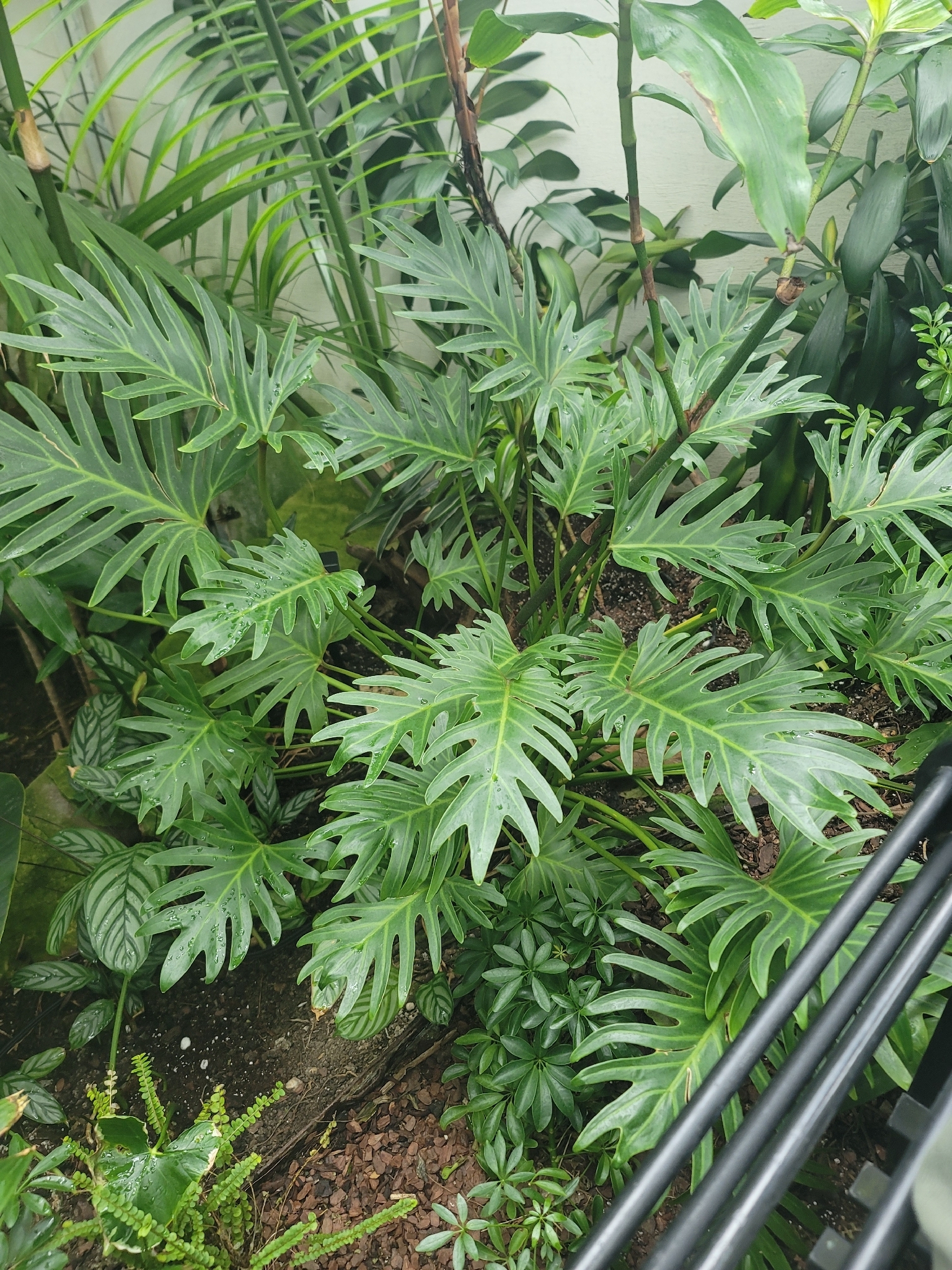
Rather than climbing, this species grows low to the ground and spreads wide, forming a mounded clump. Its leaves are deeply cut and strappy, and it sends out aerial roots as it matures. Mature specimens can develop notably large foliage.
Source: Epic Gardening
Wipe the Strappy Leaves
Clean the foliage indoors with a moist, soft cloth, and don't neglect the stems, since they too can gather dust or attract pests. If you move the plant outside for the warmer months, that seasonal shift also helps keep it cleaner.
Source: Epic Gardening
Care recipe
The species record — the baseline every cultivar inherits unless it says otherwise.
Care notes are early — not yet verified
- Light
- ai:claude-opus-4-8
- Water
- ai:claude-opus-4-8 (range 7-12d)
- Humidity
- ai:claude-opus-4-8
- Soil
- ai:claude-fable-5
- Care
- ai:claude-fable-5
Bright, indirect
≈ every 12 days
Medium
16–29 °C
Chunky, well-draining aroid mix with bark and perlite
Division of the clumping crown
Balanced liquid feed monthly in the growing season
Moderate
Rarely flowers indoors
Toxic to cats & dogs & humans
Araceae contain insoluble calcium oxalate crystals, which irritate the mouth and digestive tract if chewed. This is where toxicity lives: every cultivar of this species inherits it and none can override it.
Reference images
Every image credited. Licenses link to their deeds.
PrimarySources: ai:claude-opus-4-8 · ai:claude-opus-4-8 (range 7-12d) · ai:claude-fable-5 · ai:claude-opus-4-8 (family inference)
Kept true by its growers
Every fact here carries its source. Grow Xanadu yourself? What you’ve observed — how it drinks, how it holds its color, a name that’s off — and a clear photo of your plant are exactly what keep this page honest. Contributions are reviewed before anything changes.
Sign in to add what you know →