Species · genus Stromanthe · Marantaceae
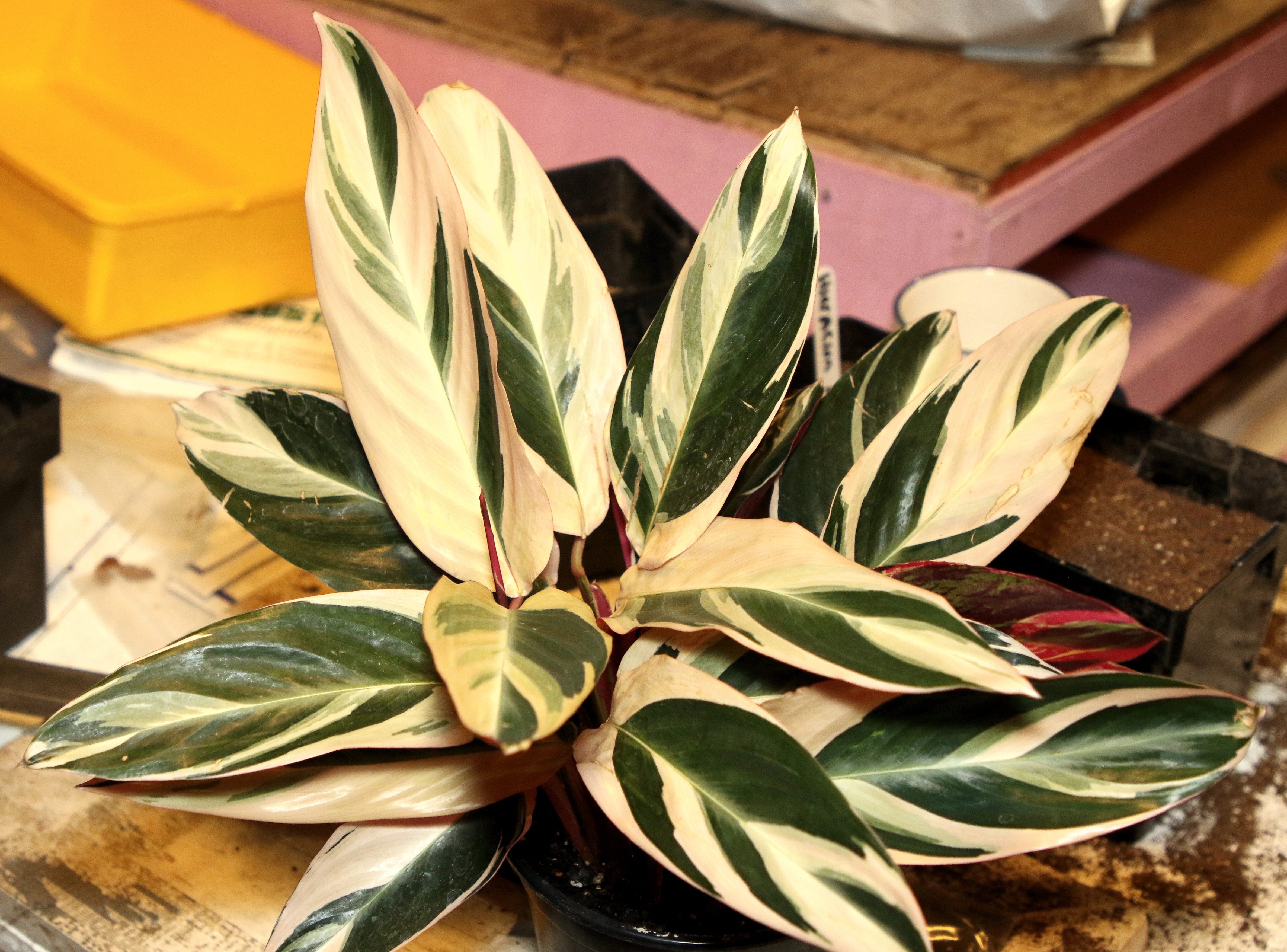
Stromanthe Triostar
Stromanthe sanguinea Sond.
Also known as: Triostar · Tricolor Stromanthe · Magenta Triostar · Stromanthe Tricolor · Prayer Plant
Cultivars of S. sanguinea
The named forms growers keep — each with its own page, each honest about how much we know.
No named cultivars catalogued under S. sanguinea yet. When growers document a stable, named form, it earns its own page here.
Guide
The species-level account. Cultivar pages build on this and say where they differ.
A Colorful Prayer Plant
Stromanthe is a member of the Marantaceae, the prayer plant family, grown for its striking variegated foliage. It has a reputation as a rewarding but somewhat fussy houseplant, one that rewards attention with color rather than ease.
Source: Epic Gardening
Out of the Brazilian Understory
Stromanthe is native primarily to the rainforests of Brazil, though it turns up elsewhere in tropical parts of the Americas as well. In the wild it grows along the shaded rainforest floor, beneath the canopy. Its name comes from the Greek stroma, meaning bed, and anthos, meaning flower. The cultivar 'Triostar' has earned the Royal Horticultural Society's Award of Garden Merit.
Source: Epic Gardening
Balancing Light, Water, Humidity
Give it bright, indirect light; direct sun for more than an hour or two, especially in the afternoon, will burn and fade the leaves. Let the soil stay moist but never soggy, watering roughly every week and a half in a well-drained pot, and consider distilled or filtered water since stromanthe can be sensitive to tap water minerals. It wants steady warmth between 65-75°F, humidity in the 60-80% range, and a monthly feeding with a balanced fertilizer, or a diluted feed every two weeks, with an occasional dose of seaweed fertilizer.
Source: Epic Gardening
By Cutting or Division
Stromanthe can be propagated from stem cuttings or by dividing the clump, both fairly straightforward. Divide in spring as new growth begins, separating a rooted clump with a clean knife and keeping the new pieces consistently moist while they establish. For cuttings, take a healthy stem with at least one leaf, set it straight into water, and expect roots in about two to three weeks before potting up.
Source: Epic Gardening
Praying Leaves, Painted Colors
This is an upright, rhizomatic plant with long, narrow, pointed leaves rising from a basal clump. Like its prayer plant relatives, it raises its leaves at night and lowers them by day, a movement that gives the appearance of praying hands. Most species are known for bold variegation, and the RHS describes the straight species as bearing lance-shaped leaves, deep olive-green above and wine-red beneath, with white flowers and orange sepals appearing among red bracts in winter and spring.
Source: RHS
Sap-Suckers to Watch
Spider mites, aphids, and mealybugs are the most likely visitors, often first noticed as pale, sad-looking foliage rather than obvious chewing damage. A strong rinse of water knocks down populations, followed by neem oil; mealybugs can also be managed by natural predators outdoors or wiped off with a rubbing-alcohol-soaked cotton swab. The RHS notes glasshouse red spider mite as the pest of concern under glass, while otherwise finding the plant generally disease-free.
Source: Epic Gardening
Brown Tips and Root Rot
Brown, crisping leaf edges are usually a sign of mineral buildup from tap water, and switching to distilled or filtered water for a month often resolves it; insufficient humidity can cause the same symptom. Because stromanthe likes consistent moisture, it also carries a higher risk of fungal issues such as root rot, powdery mildew, and leaf spot, so good drainage, sound watering habits, and airflow around the plant matter.
Source: Epic Gardening
Pruning and Turning
Prune in spring during active growth, removing damaged or yellowing leaves and trimming leggy growth back to just above a node, but avoid taking more than a third of the plant at once and skip pruning during winter dormancy. Turning the pot weekly helps the plant grow evenly rather than leaning toward the light. Under glass, the RHS notes it needs no pruning at all, and should be watered freely with a low-nitrogen liquid feed every two to three weeks while in growth, tapering to moderate watering in winter.
Source: RHS
Care recipe
The species record — the baseline every cultivar inherits unless it says otherwise.
Care notes are early — not yet verified
- Light
- ai:claude-opus-4-8
- Water
- ai:claude-opus-4-8 (range 5-10d)
- Humidity
- ai:claude-opus-4-8
- Soil
- ai:claude-fable-5
- Care
- ai:claude-fable-5
Bright, indirect
≈ every 10 days
High
16–27 °C
Light, peaty, well-draining mix
Division of clumps at the roots
Dilute balanced feed monthly in the growing season
Moderate
Rarely flowers indoors; prized for pink-striped foliage that folds at night
Not yet documented
This is where toxicity lives — every cultivar of this species inherits it and none can override it.
Reference images
Every image credited. Licenses link to their deeds.
PrimarySources: ai:claude-opus-4-8 · ai:claude-opus-4-8 (range 5-10d) · ai:claude-fable-5
Kept true by its growers
Every fact here carries its source. Grow Stromanthe Triostar yourself? What you’ve observed — how it drinks, how it holds its color, a name that’s off — and a clear photo of your plant are exactly what keep this page honest. Contributions are reviewed before anything changes.
Sign in to add what you know →