Species · genus Sedum · Crassulaceae
Coppertone Stonecrop
Sedum adolphi Raym.-Hamet
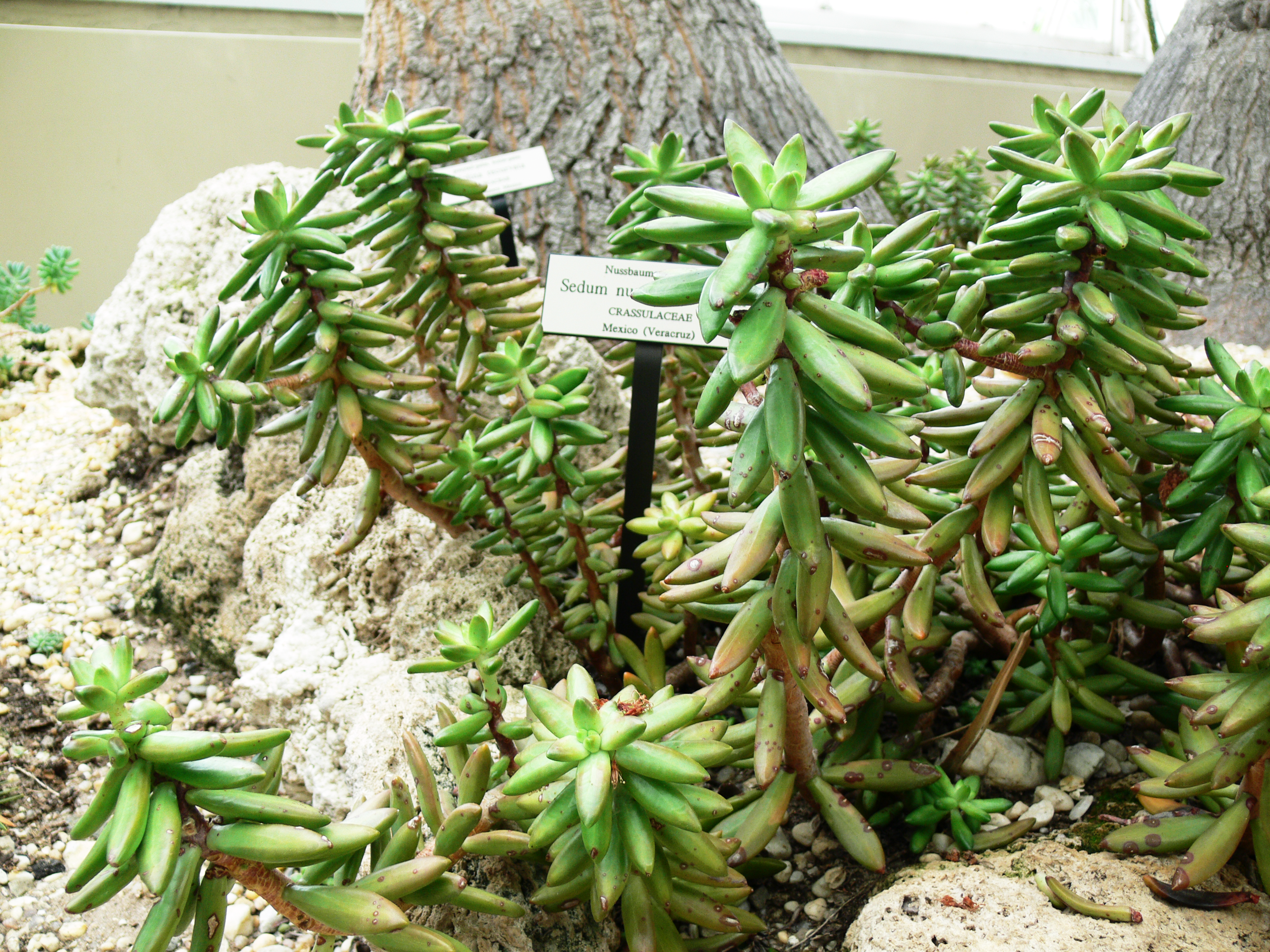
Cultivars of S. adolphi
The named forms growers keep — each with its own page, each honest about how much we know.
No named cultivars catalogued under S. adolphi yet. When growers document a stable, named form, it earns its own page here.
Guide
The species-level account. Cultivar pages build on this and say where they differ.
A Mexican Stonecrop
Sedum adolphi is a succulent subshrub belonging to the stonecrop family, Crassulaceae. It is a distinct, accepted species within the sprawling Sedum genus, one of hundreds recognized in the group.
Source: Kew
Native to Coastal Veracruz
This plant's home ground is central Veracruz, in the Gulf region of Mexico, where it grows as part of a subtropical biome. It was first described in 1912 by Raymond-Hamet. Beyond its native range it has since turned up introduced in El Salvador and Spain.
Source: Kew
Sun, Dry Soil, Little Fuss
Like other sedums, this plant wants plenty of direct light, something on the order of six to eight hours a day, and soil that drains fast and dries out between waterings. Its thick, water-storing leaves are built for exactly this kind of neglect-friendly regime, and it will tolerate part sun as long as the roots never sit wet. Rich, fertile soil tends to do it a disservice, encouraging soft, leggy growth rather than the compact habit it prefers.
Source: Epic Gardening
Easy From Leaf or Stem
Sedums root readily, which is part of their appeal for beginners. A stem cutting with a few leaves left on, or even a single leaf pressed into moist, loose potting mix, will send out roots from the nodes within a few weeks. Cuttings can also be rooted in water, though the water should be changed every few days to keep disease at bay.
Source: Epic Gardening
Aphids, Occasionally
Sedums are not troubled by pests or disease as a rule, but aphids are the most likely visitor, especially on cuttings brought indoors after time outside. A firm spray of water is usually enough to knock them off; a stressed plant is more prone to any infestation taking hold.
Source: Epic Gardening
Rot From Wet Feet
The main trouble for sedums is root or crown rot, caused by fungal or bacterial pathogens that favor cool, wet conditions. The fix is prevention: dry or well-draining soil and, where possible, full sun to keep that soil from staying soggy. Clearing away dead or decaying plant tissue also helps keep disease from taking hold.
Source: Epic Gardening
Care recipe
The species record — the baseline every cultivar inherits unless it says otherwise.
Care notes are early — not yet verified
- Light
- ai:claude-opus-4-8
- Water
- ai:claude-opus-4-8 (range 10-21d)
- Humidity
- ai:claude-opus-4-8
- Soil
- ai:claude-fable-5
- Care
- ai:claude-fable-5
Direct sun
≈ every 21 days
Low — average room
10–29 °C
Gritty, fast-draining succulent or cactus mix
Root leaf or stem cuttings after callousing
Dilute succulent feed once or twice in the growing season
Slow
Small yellow star flowers in late winter to spring
Not yet documented
This is where toxicity lives — every cultivar of this species inherits it and none can override it.
Reference images
Every image credited. Licenses link to their deeds.
PrimarySources: ai:claude-opus-4-8 · ai:claude-opus-4-8 (range 10-21d) · ai:claude-fable-5
Kept true by its growers
Every fact here carries its source. Grow Coppertone Stonecrop yourself? What you’ve observed — how it drinks, how it holds its color, a name that’s off — and a clear photo of your plant are exactly what keep this page honest. Contributions are reviewed before anything changes.
Sign in to add what you know →