Species · genus Scindapsus · Araceae
Sterling Silver
Scindapsus treubii Engl.
Also known as: Moonlight · Silver Scindapsus · Scindapsus Moonlight · Scindapsus Sterling Silver
Cultivars of S. treubii
The named forms growers keep — each with its own page, each honest about how much we know.
No named cultivars catalogued under S. treubii yet. When growers document a stable, named form, it earns its own page here.
Guide
The species-level account. Cultivar pages build on this and say where they differ.
A Quiet Aroid Cousin
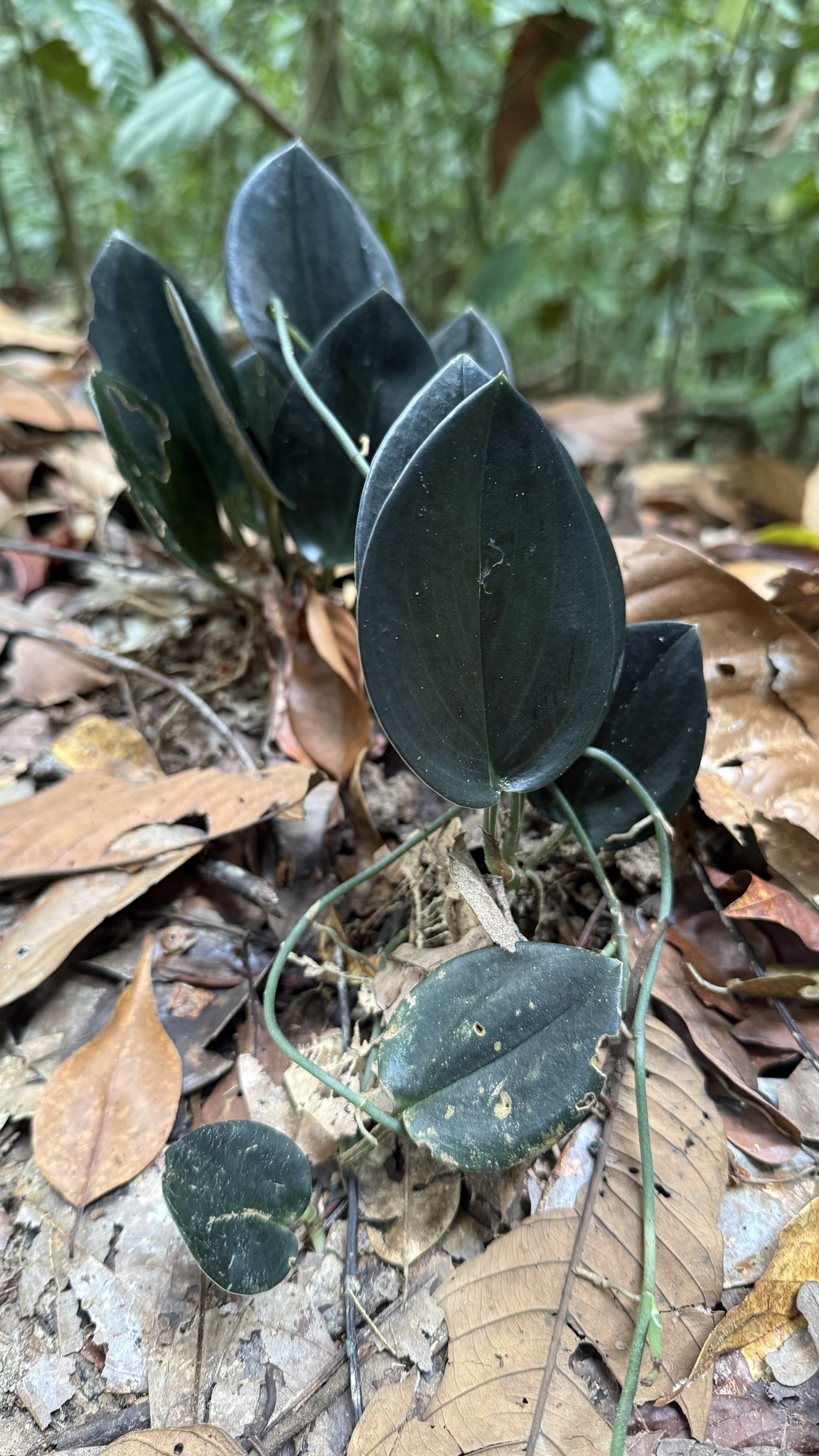
Moonlight scindapsus, botanically Scindapsus treubii 'Moonlight' and sometimes sold as Sterling Silver, is a trendy but still relatively uncommon houseplant. It sits in the same family circle as pothos and philodendron, though it wears a quieter look: thick, dark green leaves brushed with a silvery sheen on top.
Source: Costa Farms
Southeast Asian Roots
This plant traces back to Malaysia and other parts of Southeast Asia, where its wider Scindapsus relatives grow wild in the tropics. The Moonlight selection was picked out by a plant hunter for its durability indoors and its fashionable silver-toned foliage.
Source: Costa Farms
Silver on Green
The leaves are thick and heart-shaped, dark green underneath with an elegant silvery overlay on top, a look that sets it apart from most of its pothos and philodendron kin. It grows slowly, and its vining stems can be trained up a totem, left to sprawl across a tabletop, or hung to trail, with leaves growing larger when the plant is allowed to climb in warm, bright conditions.
Source: Costa Farms
Pinch, Don't Prune
This is a slow grower, so routine pruning is largely unnecessary. If you want a fuller plant rather than one long shoot, simply pinch back new growth to encourage branching.
Source: Costa Farms
Care recipe
The species record — the baseline every cultivar inherits unless it says otherwise.
Care notes are early — not yet verified
- Light
- ai:claude-opus-4-8
- Water
- ai:claude-opus-4-8 (range 7-14d)
- Humidity
- ai:claude-opus-4-8
- Soil
- ai:claude-fable-5
- Care
- ai:claude-fable-5
Bright, indirect
≈ every 14 days
Medium
18–29 °C
Loose, airy aroid mix with bark and perlite
Node cuttings rooted in water or sphagnum moss
Balanced liquid feed monthly during active growth
Slow
Rarely flowers indoors
Toxic to cats & dogs & humans
Araceae contain insoluble calcium oxalate crystals, which irritate the mouth and digestive tract if chewed or swallowed. This is where toxicity lives: every cultivar of this species inherits it and none can override it.
Reference images
Every image credited. Licenses link to their deeds.
Sources: ai:claude-opus-4-8 · ai:claude-opus-4-8 (range 7-14d) · ai:claude-fable-5 · ai:claude-opus-4-8 (family inference)
Kept true by its growers
Every fact here carries its source. Grow Sterling Silver yourself? What you’ve observed — how it drinks, how it holds its color, a name that’s off — and a clear photo of your plant are exactly what keep this page honest. Contributions are reviewed before anything changes.
Sign in to add what you know →