Species · genus Schlumbergera · Cactaceae
Claw Cactus
Schlumbergera truncata (Haw.) Moran
Also known as: False Christmas Cactus · Linkleaf · Yoke Cactus · Crab Cactus · Thanksgiving Cactus
Cultivars of S. truncata
The named forms growers keep — each with its own page, each honest about how much we know.
No named cultivars catalogued under S. truncata yet. When growers document a stable, named form, it earns its own page here.
Guide
The species-level account. Cultivar pages build on this and say where they differ.
A Holiday Bloomer
Schlumbergera truncata is the plant most of us call the Christmas or Thanksgiving cactus, though the crab cactus name shows up too — they're all one and the same species. It's an epiphyte in the cactus family, grown for its winter flower show in reds, purples, pinks, whites and creams. Despite the cactus label, it behaves more like a rainforest plant than a desert one.
Source: Missouri Botanical Garden
Rainforest, Not Desert
This plant is native to southeastern Brazil, where it grows as an epiphyte on rocks or in the crooks of trees rather than in soil. In the wild, hummingbirds do the pollinating. The genus name honors the Belgian horticulturist Frederick Schlumberger, and truncata simply means cut off square, a nod to the notched stem segments.
Source: Missouri Botanical Garden
Bright, Not Baking
Give it indirect or filtered light — an east-facing windowsill suits it, since full sun scorches these tropical natives while deep shade won't support flowering. Keep it warm at 18-20°C through spring and summer, water regularly from April to September letting excess drain away, and feed with a liquid houseplant fertiliser over the same months. It also appreciates humidity, so misting or standing it on a tray of damp gravel helps, provided the pot itself never sits in water.
Source: RHS
Rooting Stem Segments
New plants are easiest to start from stem cuttings taken in May: snap off a couple of segments at a joint, let the cut end dry for a day or two, then push it about a centimetre into a damp, well-drained cuttings mix. Keep the pot bright but out of direct sun at 18-24°C, water sparingly, and expect rooting to take anywhere from three to twelve weeks. Growing from seed is possible too, but it requires cross-pollinating two different plants by hand and takes three or four years to reach a well-established plant.
Source: RHS
Segmented, Arching Stems
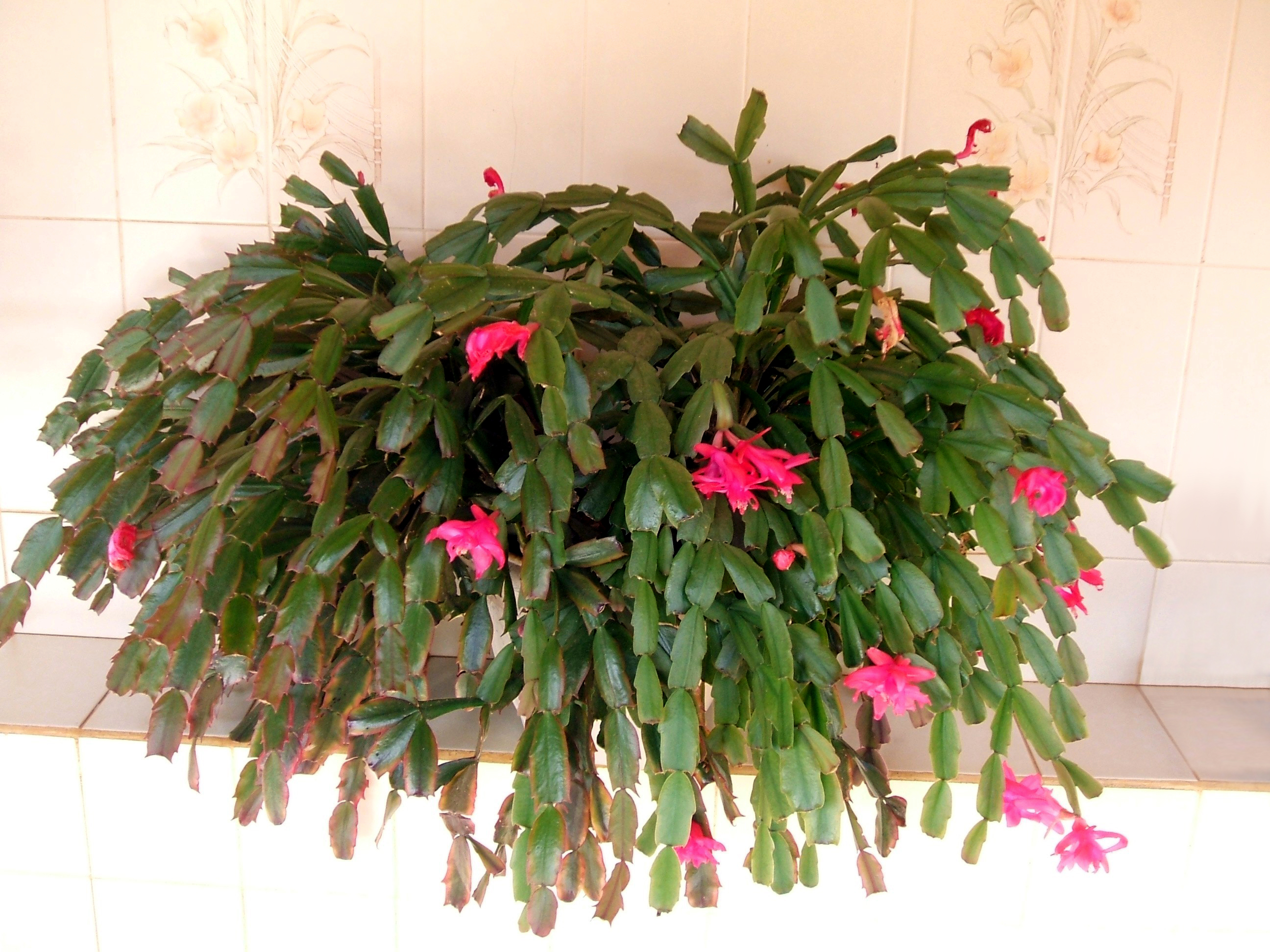
The stems are flattened, jointed segments called cladophylls, arching and graceful, with weak spines or none at all. It carries this form as an evergreen year-round, with the flowers opening at the tips of the segments. Left alone, the plant just keeps adding more segments and, over the years, more branching, which in turn means more flowers.
Source: RHS
Watch For Mealybugs
Insects and related pests to watch for include mealybugs, soft brown scale, red spider mites and aphids. It's worth checking plants over before bringing them indoors for the season, since these pests are easier to catch early than to chase once established.
Source: Missouri Botanical Garden
Buds Drop, Roots Rot
The most familiar complaint is unopened flower buds dropping, usually triggered by a sudden shift in temperature, light, or a growing medium that's dried out — or simply too many buds for the plant to support. Lack of flowering often traces back to light interrupting the long, uninterrupted dark period the plant needs to set buds in the first place. The other major issue is root rot, which comes from overwatering, so erring toward dry rather than wet is the safer habit.
Source: Missouri Botanical Garden
Rest Periods Drive Blooming
To flower well this plant needs two cooler, drier rests each year: one from mid-September until buds appear, and another from late January to late March after flowering finishes. During these spells let the top few centimetres of compost dry between waterings, then return to normal watering once buds show or spring arrives. It likes to be a little pot-bound, so repotting into just a slightly larger pot every year or two, once roots fill the current one, is enough.
Source: RHS
Care recipe
The species record — the baseline every cultivar inherits unless it says otherwise.
Care notes are early — not yet verified
- Light
- ai:claude-opus-4-8
- Water
- ai:claude-opus-4-8 (range 7-14d)
- Humidity
- ai:claude-opus-4-8
- Soil
- ai:claude-fable-5
- Care
- ai:claude-fable-5
Bright, indirect
≈ every 14 days
Medium
13–24 °C
Airy, well-draining cactus mix with added bark
Root two- or three-segment stem cuttings after callousing
Dilute balanced feed monthly while actively growing
Moderate
Vivid toothed-edge blooms in late autumn to winter
Non-toxic to cats & dogs
Christmas cactus (Schlumbergera) — ASPCA non-toxic to cats and dogs. This is where toxicity lives: every cultivar of this species inherits it and none can override it.
Reference images
Every image credited. Licenses link to their deeds.
Sources: ai:claude-opus-4-8 · ai:claude-opus-4-8 (range 7-14d) · ai:claude-fable-5 · ASPCA
Kept true by its growers
Every fact here carries its source. Grow Claw Cactus yourself? What you’ve observed — how it drinks, how it holds its color, a name that’s off — and a clear photo of your plant are exactly what keep this page honest. Contributions are reviewed before anything changes.
Sign in to add what you know →