Species · genus Sarracenia · Sarraceniaceae
Trumpets
Sarracenia flava L.
Also known as: Yellow Pitcherplant · Trumpetleaf · Umbrella-trumpets
Cultivars of S. flava
The named forms growers keep — each with its own page, each honest about how much we know.
No named cultivars catalogued under S. flava yet. When growers document a stable, named form, it earns its own page here.
Guide
The species-level account. Cultivar pages build on this and say where they differ.
The Yellow Pitcher Plant
Sarracenia flava is a carnivorous perennial, growing to about 90cm, known for its slender yellow-green pitchers with erect hoods and nodding yellow flowers some 10cm across. It also goes by names like trumpets, biscuits, and huntsman's horn.
Source: RHS
A North American Native
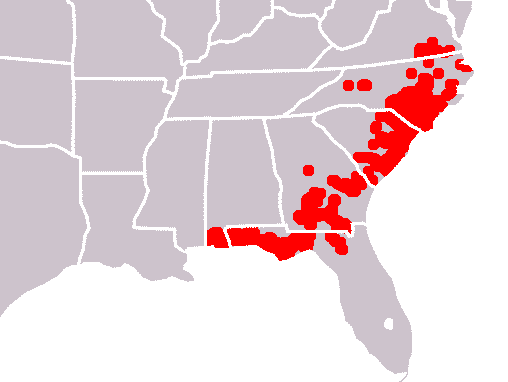
This species is native to eastern North America, and it is not native to Great Britain or Ireland. It belongs to the family Sarraceniaceae, a genus of evergreen or herbaceous rhizomatous perennials whose leaves are modified into insect-catching tubular pitchers.
Source: RHS
Sun, Moisture, and Winter Rest
Grow it under glass in full light, sheltered from the harshest sun, and keep the acidic, moss-based potting medium consistently moist using lime-free water. In winter the regime eases: keep the plant slightly drier, cool, and well ventilated, and expect it to shed some leaves as it moves into dormancy. Where climate allows, it can be grown outdoors in a sheltered, south- or west-facing spot in full sun, though care is needed in colder conditions.
Source: RHS
Raising From Seed
Sarracenia flava is propagated by seed.
Source: RHS
Pitchers and Nodding Flowers
The plant forms clumps of upright, columnar pitchers in a pale yellow-green, each topped with an erect lid rather than a drooping hood. In spring it sends up solitary, cup-shaped, nodding yellow flowers held well above the foliage.
Source: RHS
Watch For Sap Feeders
This plant may be troubled by scale insects, mealybugs, aphids, and tortrix moth caterpillars. It is otherwise generally free of disease.
Source: RHS
Minimal Pruning Needs
No routine pruning is required beyond removing dead leaves as they appear. Left to itself, the plant will naturally shed some foliage during its winter dormancy.
Source: RHS
Care recipe
The species record — the baseline every cultivar inherits unless it says otherwise.
Care notes are early — not yet verified
- Light
- ai:claude-opus-4-8
- Water
- ai:claude-opus-4-8 (range 1-3d)
- Humidity
- ai:claude-opus-4-8
- Soil
- ai:claude-fable-5
- Care
- ai:claude-fable-5
Direct sun
≈ every 3 days
High
5–30 °C
Nutrient-poor peat and sand blend, never fertile potting soil
Division of rhizomes or seed
None at the roots; feeds by catching insects
Moderate
Tall yellow spring flowers before the pitchers
Not yet documented
This is where toxicity lives — every cultivar of this species inherits it and none can override it.
Reference images
Every image credited. Licenses link to their deeds.
PrimarySources: ai:claude-opus-4-8 · ai:claude-opus-4-8 (range 1-3d) · ai:claude-fable-5
Kept true by its growers
Every fact here carries its source. Grow Trumpets yourself? What you’ve observed — how it drinks, how it holds its color, a name that’s off — and a clear photo of your plant are exactly what keep this page honest. Contributions are reviewed before anything changes.
Sign in to add what you know →