Species · genus Ruellia · Acanthaceae
Fringe-leaf Ruellia
Ruellia humilis Nutt.
Also known as: Wild Petunia · Fringeleaf Wild Petunia
Cultivars of R. humilis
The named forms growers keep — each with its own page, each honest about how much we know.
No named cultivars catalogued under R. humilis yet. When growers document a stable, named form, it earns its own page here.
Guide
The species-level account. Cultivar pages build on this and say where they differ.
A Familiar Face, Wild
Wild petunia, Ruellia humilis, is an herbaceous perennial wildflower unrelated to the annual petunias sold at garden centers, though the resemblance is why it carries the name. It forms multi-stemmed, rounded clusters of upright leafy stems topped with pale lilac, funnel-shaped blooms across a long summer-into-fall season.
Source: Epic Gardening
A Roadside Native
This plant is native to the central and eastern United States, absent mainly from the northern Great Plains and New England, and grows naturally in prairies, glades, grasslands, and along roadways and forest edges. It belongs to the Acanthaceae family, a mostly tropical group of around 2,500 species, and its own genus Ruellia holds over 300 species worldwide. In much of its range it is so common it is treated as a roadside weed, turning up unbidden in lawns and gardens.
Source: Epic Gardening
Sun, Soil, and Little Else
Give this plant full sun to partial shade, aiming for at least four hours of bright light daily, since shadier spots mean fewer flowers. It prefers moist soil but tolerates drought well once established, and it is unfussy about soil pH or quality as long as drainage is decent. Feeding is optional; an annual side dressing of organic compost is enough to slowly release nutrients into the surrounding soil.
Source: Epic Gardening
Seed, Cutting, or Division
Wild petunia self-seeds prolifically, and its seeds need roughly seventy days of cold stratification before they will germinate, taking another four to six weeks to sprout. Stem cuttings four to six inches long will root in water within a few weeks once the lower leaves are stripped away. Established clusters can also be divided in spring or fall with a sharp spade once they've grown large enough.
Source: Epic Gardening
Fuzzy Leaves, Fleeting Flowers
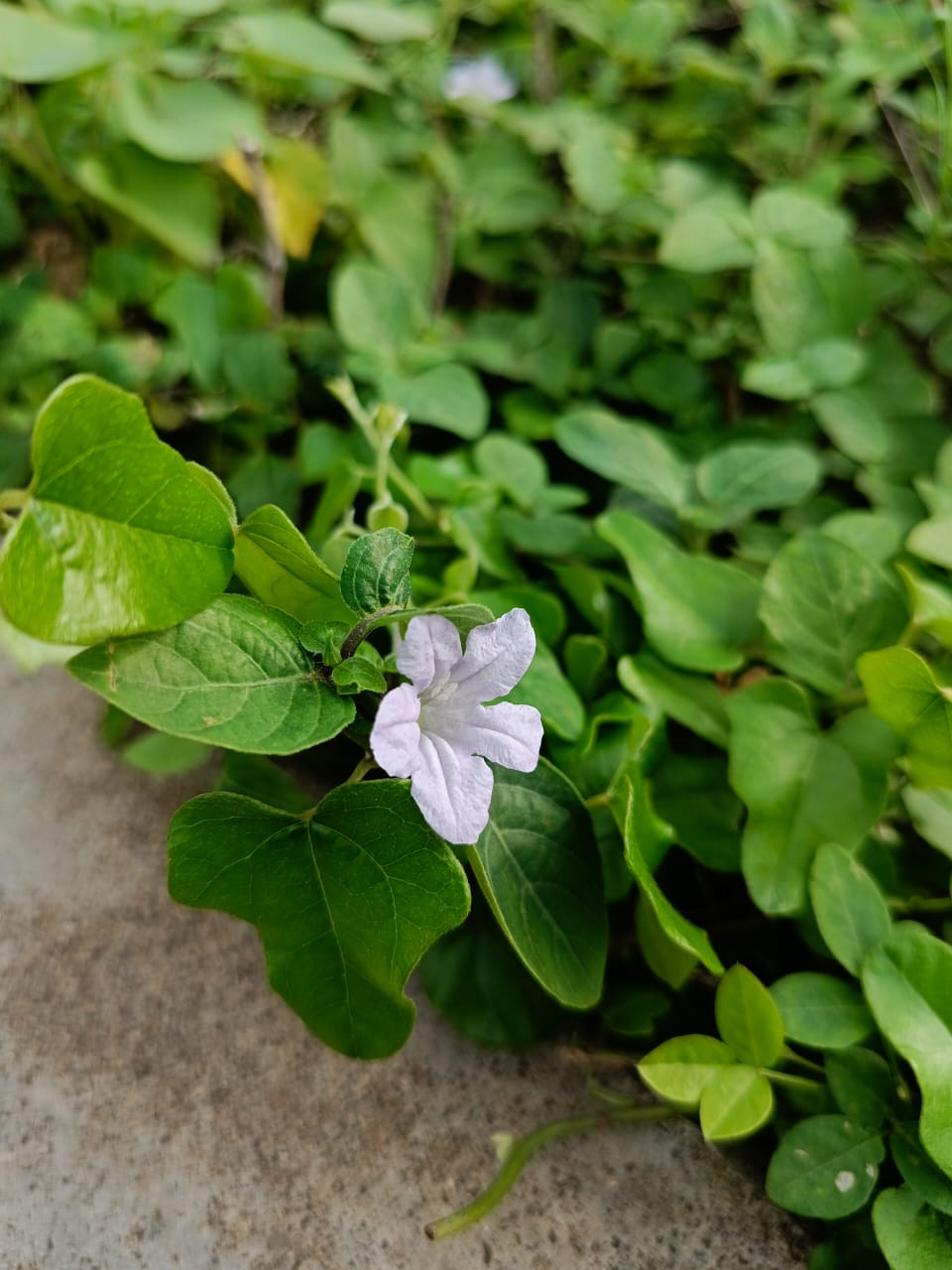
The opposite, elongated-oval leaves stay solid green through the growing season and carry a fine layer of soft, downy hairs. Flowers open with a broadly flared five-petaled face narrowing into a slender tube, often marked with darker purple stripes inside, and their pale lilac color reads attractive without being showy. Each individual bloom lasts only a single day before dropping, though the plant keeps producing new ones from late summer into mid-fall.
Source: Epic Gardening
Mostly Trouble-Free
Wild petunia is generally untroubled by serious pests or diseases and shows resistance to deer browsing, wet soil, heat, humidity, and drought. The one recurring issue is its own vigor: self-seeding can spread the plant more widely than intended, so pulling unwanted seedlings each spring is the standard fix.
Source: Epic Gardening
Thinning the Patch
This plant asks for little regular upkeep, but its enthusiasm for self-seeding means the patch will keep expanding year over year. Thinning out unwanted seedlings each spring keeps spacing generous and lets the remaining plants look their best. Mulch isn't required but helps retain soil moisture and buffers roots against temperature swings.
Source: Epic Gardening
Care recipe
The species record — the baseline every cultivar inherits unless it says otherwise.
Care notes are early — not yet verified
- Light
- ai:claude-opus-4-8
- Water
- ai:claude-opus-4-8 (range 7-14d)
- Humidity
- ai:claude-opus-4-8
- Soil
- ai:claude-fable-5
- Care
- ai:claude-fable-5
Bright, indirect
≈ every 14 days
Medium
13–29 °C
Well-draining sandy loam
Stem cuttings, division, or seed
Light feed occasionally in the growing season
Moderate
Purple blooms through summer in bright light
Not yet documented
This is where toxicity lives — every cultivar of this species inherits it and none can override it.
Reference images
Every image credited. Licenses link to their deeds.
PrimarySources: ai:claude-opus-4-8 · ai:claude-opus-4-8 (range 7-14d) · ai:claude-fable-5
Kept true by its growers
Every fact here carries its source. Grow Fringe-leaf Ruellia yourself? What you’ve observed — how it drinks, how it holds its color, a name that’s off — and a clear photo of your plant are exactly what keep this page honest. Contributions are reviewed before anything changes.
Sign in to add what you know →