Species · genus Ruellia · Acanthaceae
Carolina Wild Petunia
Ruellia caroliniensis (J.F.Gmel.) Steud.
Also known as: Carolina Ruellia
Cultivars of R. caroliniensis
The named forms growers keep — each with its own page, each honest about how much we know.
No named cultivars catalogued under R. caroliniensis yet. When growers document a stable, named form, it earns its own page here.
Guide
The species-level account. Cultivar pages build on this and say where they differ.
A Native Wildflower
Wild petunia is a herbaceous perennial wildflower, not to be confused with the annual petunias sold at garden centers, that belongs to the Acanthus family. It forms medium-sized, multi-stemmed clumps and works equally well tucked into a cottage border, a container, or a naturalized planting.
Source: Epic Gardening
Roadsides and Prairies
This species is native to much of the central and eastern United States, absent mainly from the northern Great Plains and New England, and Kew's records confirm its native range across the central and eastern U.S. in the temperate biome. In the wild it turns up in prairies, glades, grasslands, along roadways, and at forest edges, so common in places that it is treated as little more than a roadside weed. The genus Ruellia itself holds over 300 species, most from tropical parts of the world.
Source: Epic Gardening
Sun, Water, Little Else
Give this plant full sun to partial shade, ideally at least four hours of bright light a day, since shadier spots mean fewer flowers. It prefers moist, average, well-drained soil and isn't fussy about pH, though once established it is quite drought-tolerant and rarely needs watering beyond the seedling stage. Fertilizer isn't necessary, though an annual side dressing of organic compost can slowly feed the soil, and it is hardy through USDA zones 4 to 8, dying back in extreme heat or cold while its roots persist.
Source: Epic Gardening
Seed, Cutting, or Division
Wild petunia propagates readily by seed, stem cuttings, or division, and it self-seeds prolifically on its own. Seeds need roughly seventy days of cold stratification before they'll germinate, taking four to six weeks to sprout once sown, so direct-sowing in late fall to overwinter naturally is the simpler route. Stem cuttings four to six inches long will root in a few weeks set in water, and established clumps can be split with a sharp spade in spring or fall.
Source: Epic Gardening
Fuzzy Leaves, Fleeting Blooms
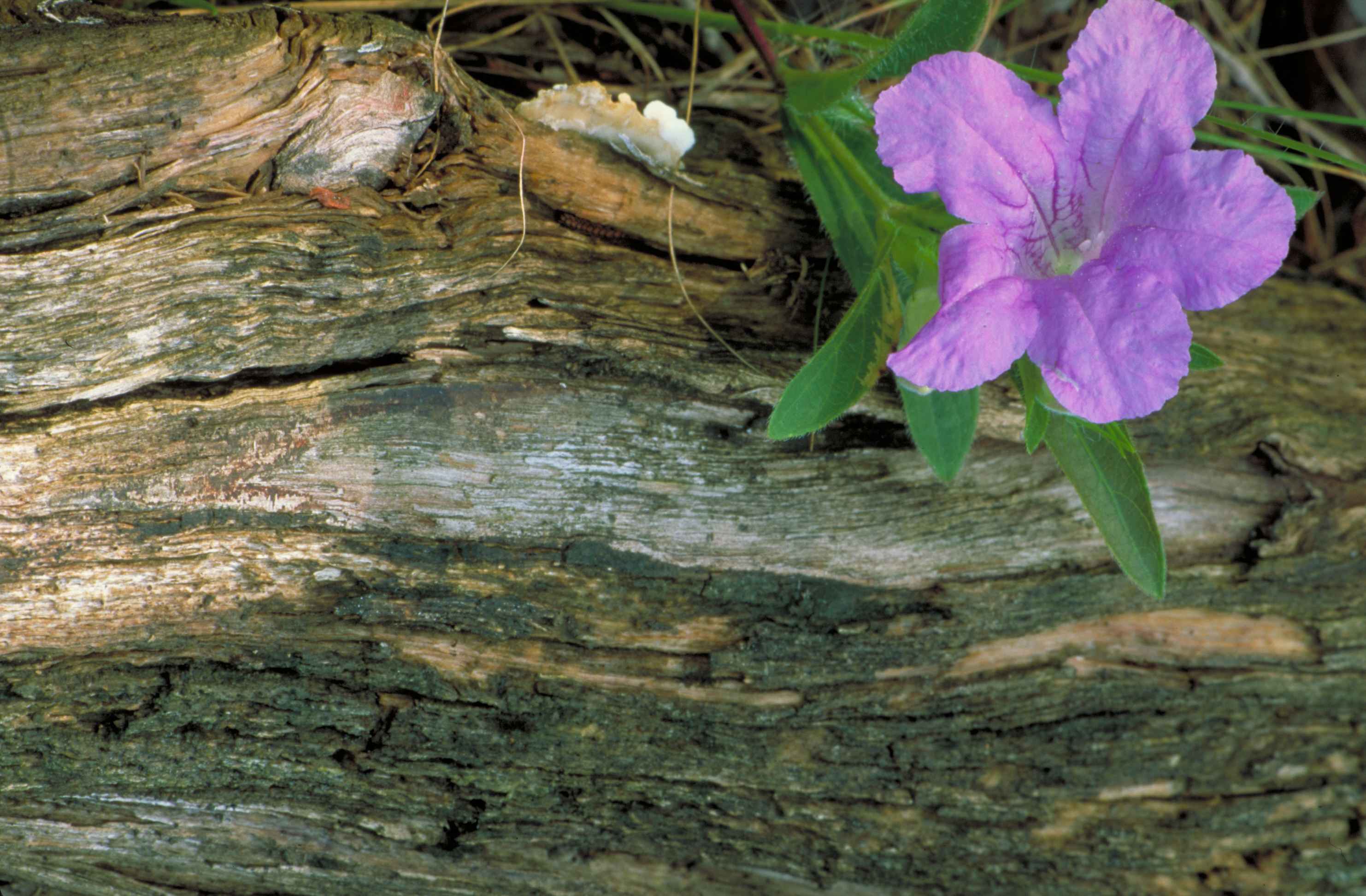
Upright leafy stems carry simple, opposite leaves shaped like elongated ovals, up to three inches long, solid green, and softly fuzzy to the touch. From late summer into mid-fall come pale lilac, five-petaled flowers that narrow into a trumpet-like tube, often marked with darker purple stripes inside. Each individual bloom is delicate in appearance but tough enough to hold up in full sun, though any single flower lasts only a day before dropping.
Source: Epic Gardening
Mostly Trouble-Free
Wild petunia is largely free of serious pests or diseases and shrugs off deer browsing, wet soil, heat, humidity, and drought alike. The one real nuisance is its own vigor: it can spread aggressively by self-seeding, so pulling unwanted seedlings each spring is the standard remedy.
Source: Epic Gardening
Thin the Seedlings
This plant asks for little regular upkeep, but its enthusiasm for self-seeding means patches will keep expanding. Thinning out unwanted seedlings each spring keeps spacing generous and the clump looking its best. A layer of biodegradable mulch isn't required but helps hold soil moisture and buffers the roots from temperature swings.
Source: Epic Gardening
Care recipe
The species record — the baseline every cultivar inherits unless it says otherwise.
Care notes are early — not yet verified
- Light
- ai:claude-opus-4-8
- Water
- ai:claude-opus-4-8 (range 5-10d)
- Humidity
- ai:claude-opus-4-8
- Soil
- ai:claude-fable-5
- Care
- ai:claude-fable-5
Bright, indirect
≈ every 10 days
Medium
13–29 °C
Moist, well-draining loam
Stem cuttings or seed
Balanced feed monthly in the growing season
Moderate
Lavender-blue blooms in bright light
Not yet documented
This is where toxicity lives — every cultivar of this species inherits it and none can override it.
Reference images
Every image credited. Licenses link to their deeds.
Sources: ai:claude-opus-4-8 · ai:claude-opus-4-8 (range 5-10d) · ai:claude-fable-5
Kept true by its growers
Every fact here carries its source. Grow Carolina Wild Petunia yourself? What you’ve observed — how it drinks, how it holds its color, a name that’s off — and a clear photo of your plant are exactly what keep this page honest. Contributions are reviewed before anything changes.
Sign in to add what you know →