Species · genus Ravenea · Arecaceae
Majestic Palm
Ravenea rivularis Jum. & H.Perrier
Also known as: Majesty Palm
Cultivars of R. rivularis
The named forms growers keep — each with its own page, each honest about how much we know.
No named cultivars catalogued under R. rivularis yet. When growers document a stable, named form, it earns its own page here.
Guide
The species-level account. Cultivar pages build on this and say where they differ.
An Elegant Indoor Palm
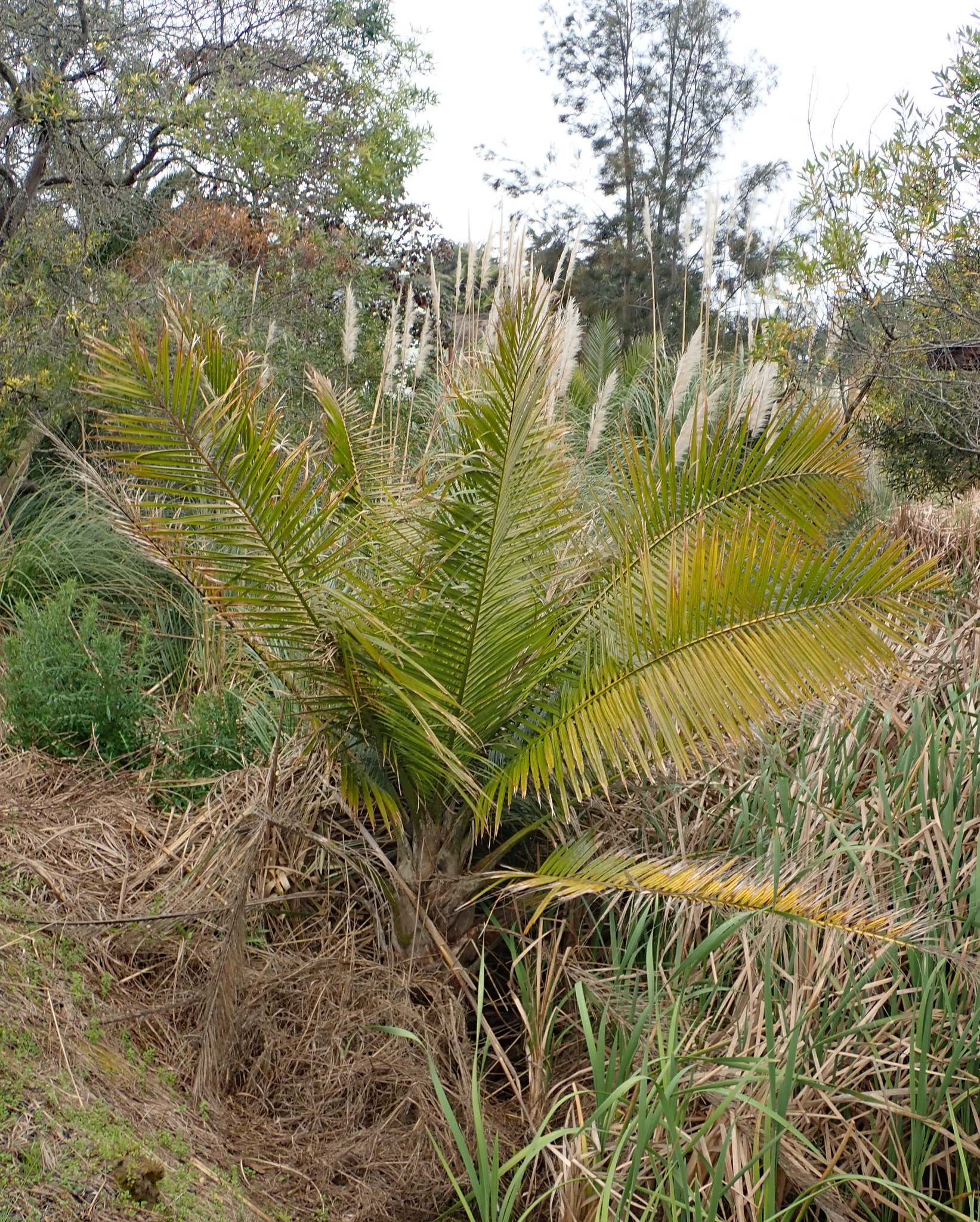
Majesty palm, Ravenea rivularis, is a popular houseplant valued for its medium-green, softly arching fronds and its sturdy, elegant habit. Its classic palm texture and dark foliage fit comfortably into most decor styles, and it grows slowly enough that it won't quickly outgrow a room.
Source: Costa Farms
A Native Of Madagascar
In the wild, majesty palm hails from wet areas of Madagascar, which is a bit of a surprise given how many palms are associated with dry conditions. Left to its own devices outdoors in its native habitat, it can grow to 80 feet or more, with fronds stretching up to 8 feet long.
Source: Costa Farms
Water, Light, And Humidity
Give majesty palm medium to bright indirect light indoors; it tolerates low light for a while but shouldn't be left there permanently, and outdoors it actually prefers shade over hot sun. Keep the potting mix evenly moist rather than wet or bone dry, since this palm isn't drought tolerant, and consider a self-watering planter to help. It also appreciates above-average humidity, making a bright bathroom a fitting home, and it takes a general-purpose houseplant fertilizer applied as often or as sparingly as your growth goals call for, following the label's dosing.
Source: Costa Farms
Slow, Steady, And Textural
Majesty palm is a slow grower, which is part of what makes it so manageable indoors and out, since it tends to stay tidy rather than shooting past your ceiling. Its delicate-looking fronds bring a textural, tropical quality to a room while somehow still suiting modern, contemporary, or cottage-style spaces alike.
Source: Costa Farms
Watch For Spider Mites
Spider mites are the main pest concern for majesty palm indoors. If they show up, raising the humidity around the plant helps, and there are houseplant-safe miticide products available at most garden centers if treatment is needed.
Source: Costa Farms
Light Pruning Only
Majesty palm asks for very little upkeep beyond removing old fronds once they've turned yellow. Otherwise, it's an easy-care plant that doesn't need regular pruning to stay in good form.
Source: Costa Farms
Care recipe
The species record — the baseline every cultivar inherits unless it says otherwise.
Care notes are early — not yet verified
- Light
- ai:claude-opus-4-8
- Water
- ai:claude-opus-4-8 (range 5-10d)
- Humidity
- ai:claude-opus-4-8
- Soil
- ai:claude-fable-5
- Care
- ai:claude-fable-5
Bright, indirect
≈ every 10 days
Medium
16–29 °C
Moist, well-draining sandy loam
From seed only
Balanced palm feed monthly in the growing season
Moderate
Does not flower indoors
Not yet documented
This is where toxicity lives — every cultivar of this species inherits it and none can override it.
Reference images
Every image credited. Licenses link to their deeds.
PrimarySources: ai:claude-opus-4-8 · ai:claude-opus-4-8 (range 5-10d) · ai:claude-fable-5
Kept true by its growers
Every fact here carries its source. Grow Majestic Palm yourself? What you’ve observed — how it drinks, how it holds its color, a name that’s off — and a clear photo of your plant are exactly what keep this page honest. Contributions are reviewed before anything changes.
Sign in to add what you know →