Species · genus Ravenala · Strelitziaceae
Traveler's Tree
Ravenala madagascariensis Sonn.
Also known as: Traveler's-palm · Traveller's Palm · Traveller's Tree · Travellers Palm
Cultivars of R. madagascariensis
The named forms growers keep — each with its own page, each honest about how much we know.
No named cultivars catalogued under R. madagascariensis yet. When growers document a stable, named form, it earns its own page here.
Guide
The species-level account. Cultivar pages build on this and say where they differ.
The Traveller's Palm
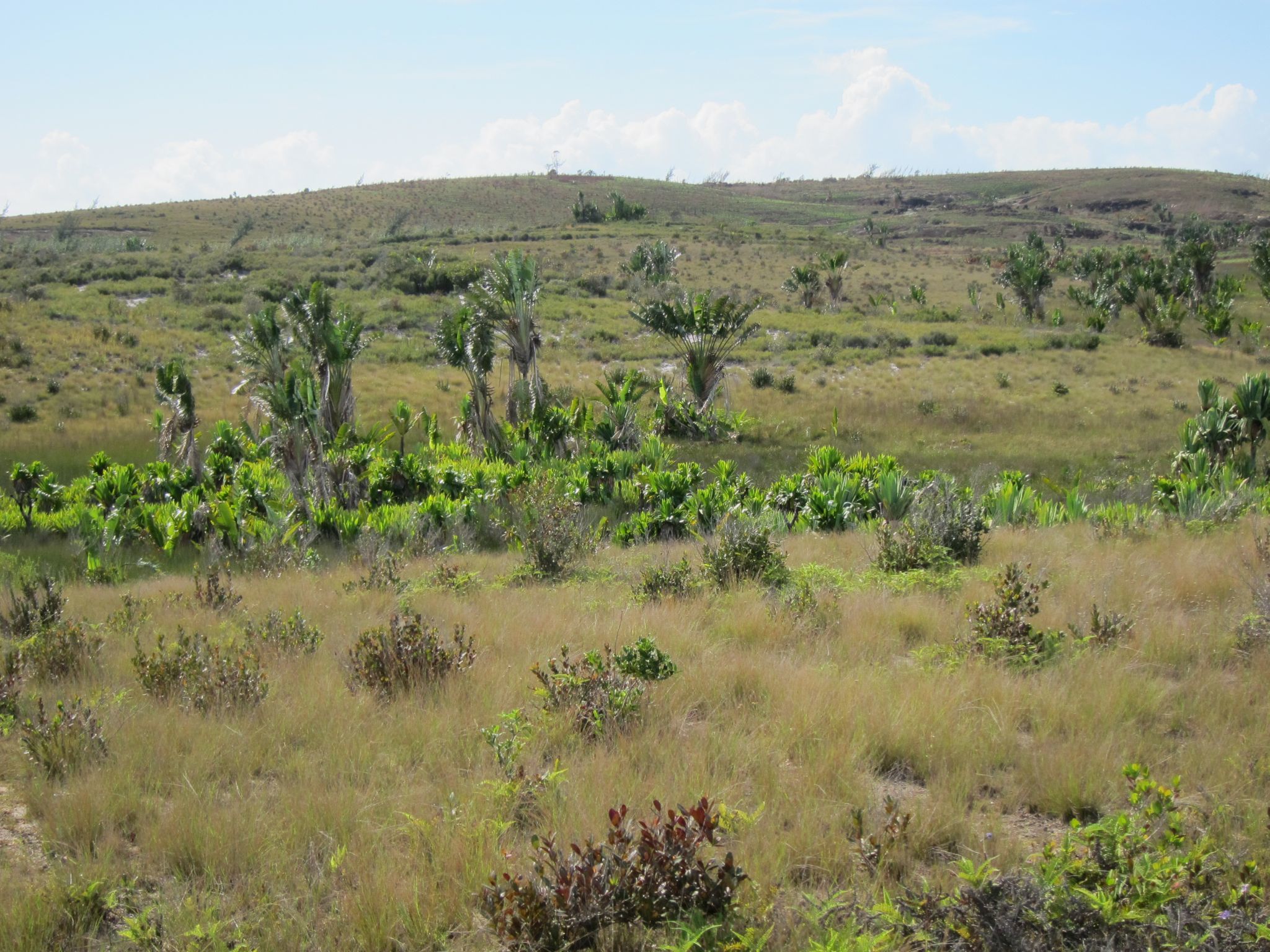
Ravenala madagascariensis, commonly called the traveller's palm or traveller's tree, is a striking evergreen despite its palm-like appearance, it belongs to the same family as the bird-of-paradise. In the wild it grows into a large tree with an unbranched trunk topped by an enormous fan of paddle-shaped leaves.
Source: Missouri Botanical Garden
Roots in Madagascar
This species is native to the moist forests of Madagascar, and its genus name is drawn from the local name for the plant on the island, while the species name simply means of Madagascar. It has since been introduced to frost-free regions worldwide, from southern Florida and Texas to southern California and Hawaii.
Source: Missouri Botanical Garden
Light, Water, Feed
Under glass, this plant wants full light with some shade from the hottest sun, and a peat-free, loam-based compost in a large container or bed. Water freely through the growing season and feed monthly with a balanced liquid fertiliser, then cut back to sparing water in winter.
Source: RHS
Seed or Suckers
Propagation is by seed, sown at 18 to 21 degrees Celsius in spring, or by dividing rooted suckers at the same time of year.
Source: RHS
A Fan of Giants
The hallmark of this plant is its fan-shaped crown of long-stalked, banana-like leaves arranged in a single flat plane, each blade reaching several metres long. The leaf stalks have expanded, cup-shaped bases that can hold a surprising amount of rainwater, which is where the common name comes from. In summer, and sometimes sporadically beyond it, white three-petaled flowers emerge from boat-shaped spathes at the leaf axils, followed by woody seed capsules holding seeds wrapped in bright blue arils.
Source: Missouri Botanical Garden
Watch for Spider Mite
Under glass this plant can be susceptible to glasshouse red spider mite, so it is worth keeping an eye on the foliage for early signs.
Source: RHS
Wind, Rot, and Spots
This is generally an easy plant, without serious insect or disease troubles, but a few issues do turn up. Strong wind can shred the large leaves, leaf spot can become significant, and root rot and spider mites are worth watching for.
Source: Missouri Botanical Garden
Little Pruning, Steady Suckers
No pruning is required for this plant. Left unchecked, root suckers will change its habit, so if a single treelike form is wanted, remove suckers as they appear rather than letting foliage clusters build up at the base.
Source: Missouri Botanical Garden
Care recipe
The species record — the baseline every cultivar inherits unless it says otherwise.
Care notes are early — not yet verified
- Light
- ai:claude-opus-4-8
- Water
- ai:claude-opus-4-8 (range 7-14d)
- Humidity
- ai:claude-opus-4-8
- Soil
- ai:claude-fable-5
- Care
- ai:claude-fable-5
Bright, indirect
≈ every 14 days
Medium
16–30 °C
Rich, well-draining loam with organic matter
Division of suckers or from seed
Balanced feed monthly through spring and summer
Fast
Rarely flowers indoors
Not yet documented
This is where toxicity lives — every cultivar of this species inherits it and none can override it.
Reference images
Every image credited. Licenses link to their deeds.
PrimarySources: ai:claude-opus-4-8 · ai:claude-opus-4-8 (range 7-14d) · ai:claude-fable-5
Kept true by its growers
Every fact here carries its source. Grow Traveler's Tree yourself? What you’ve observed — how it drinks, how it holds its color, a name that’s off — and a clear photo of your plant are exactly what keep this page honest. Contributions are reviewed before anything changes.
Sign in to add what you know →