Species · genus Pteris · Pteridaceae
Ladder Brake
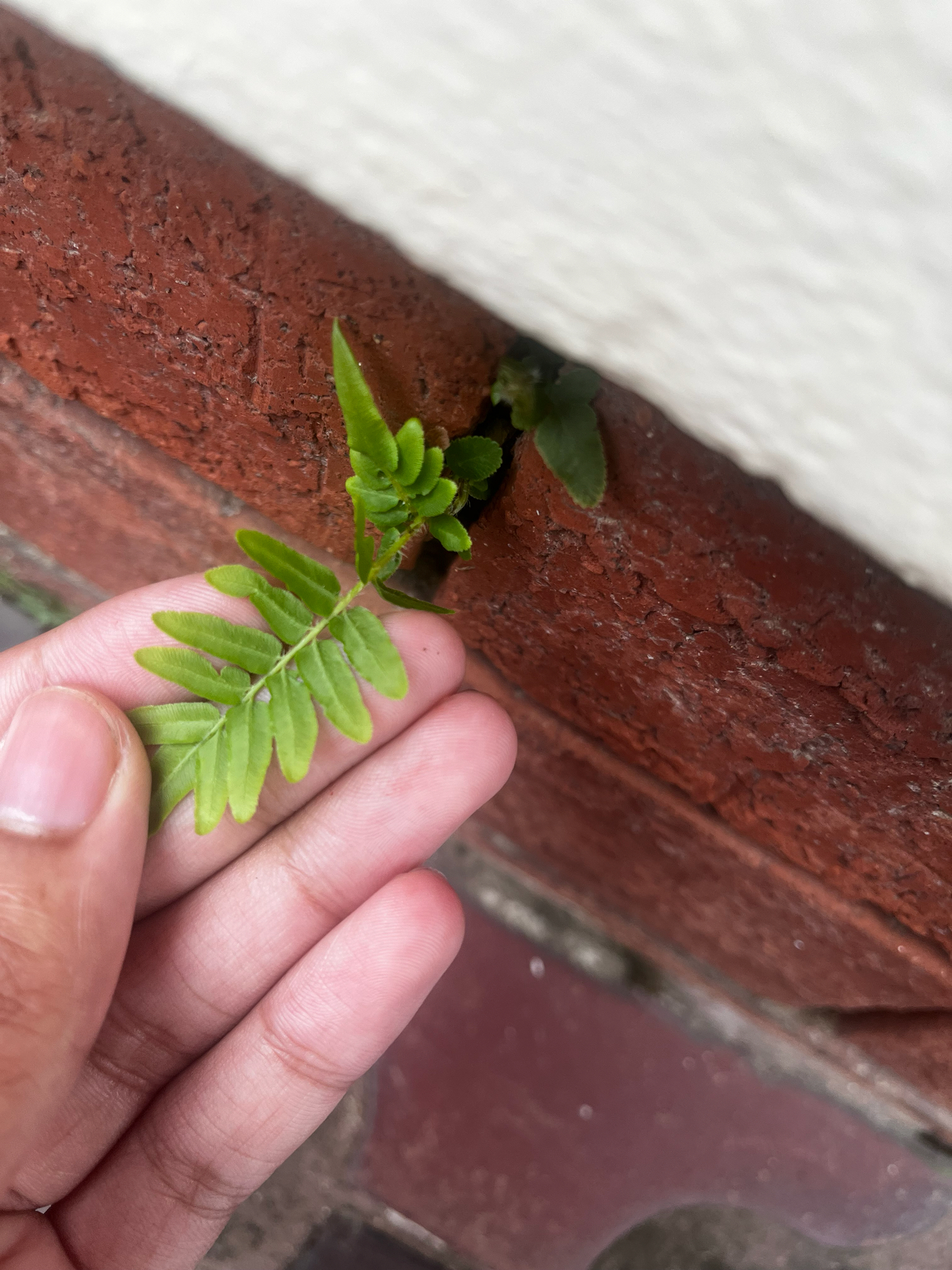
Pteris vittata L.
Also known as: Chinese Brake · Chinese Ladder Brake · Ladder Brake Fern
Cultivars of P. vittata
The named forms growers keep — each with its own page, each honest about how much we know.
No named cultivars catalogued under P. vittata yet. When growers document a stable, named form, it earns its own page here.
Guide
The species-level account. Cultivar pages build on this and say where they differ.
A Widespread Fern
Pteris vittata is a perennial fern, growing from a rhizome, first described by Linnaeus in 1753. It belongs to the Pteridaceae family, within the genus Pteris.
Source: Kew
A Vast Native Range
This fern's native range stretches across the tropical and subtropical Old World through to the southwest Pacific, taking in territory from Algeria and Madeira to China, Japan, and Fiji. It has also established itself well beyond that range, having been introduced into parts of North and South America, the Caribbean, and Europe. It grows chiefly within the subtropical biome.
Source: Kew
Habit and Human Uses
It grows as a perennial or rhizomatous geophyte, spreading by way of an underground rhizome rather than persisting as a single fixed crown. Beyond its garden presence, people have put it to work as a poison, a medicine, a food, and for various environmental purposes.
Source: Kew
Care recipe
The species record — the baseline every cultivar inherits unless it says otherwise.
Care notes are early — not yet verified
- Light
- ai:claude-opus-4-8
- Water
- ai:claude-opus-4-8 (range 4-9d)
- Humidity
- ai:claude-opus-4-8
- Soil
- ai:claude-fable-5
- Care
- ai:claude-fable-5
Bright, indirect
≈ every 9 days
Medium
13–24 °C
Moisture-retentive mix with added lime or grit
Division of the clump, or spores
Dilute liquid feed monthly during active growth
Moderate
Never flowers; reproduces by spores
Not yet documented
This is where toxicity lives — every cultivar of this species inherits it and none can override it.
Reference images
Every image credited. Licenses link to their deeds.
Sources: ai:claude-opus-4-8 · ai:claude-opus-4-8 (range 4-9d) · ai:claude-fable-5
Kept true by its growers
Every fact here carries its source. Grow Ladder Brake yourself? What you’ve observed — how it drinks, how it holds its color, a name that’s off — and a clear photo of your plant are exactly what keep this page honest. Contributions are reviewed before anything changes.
Sign in to add what you know →