Species · genus Podocarpus · Podocarpaceae
Totara
Podocarpus totara G.Benn. ex D.Don
Cultivars of P. totara
The named forms growers keep — each with its own page, each honest about how much we know.
No named cultivars catalogued under P. totara yet. When growers document a stable, named form, it earns its own page here.
Guide
The species-level account. Cultivar pages build on this and say where they differ.
A New Zealand conifer
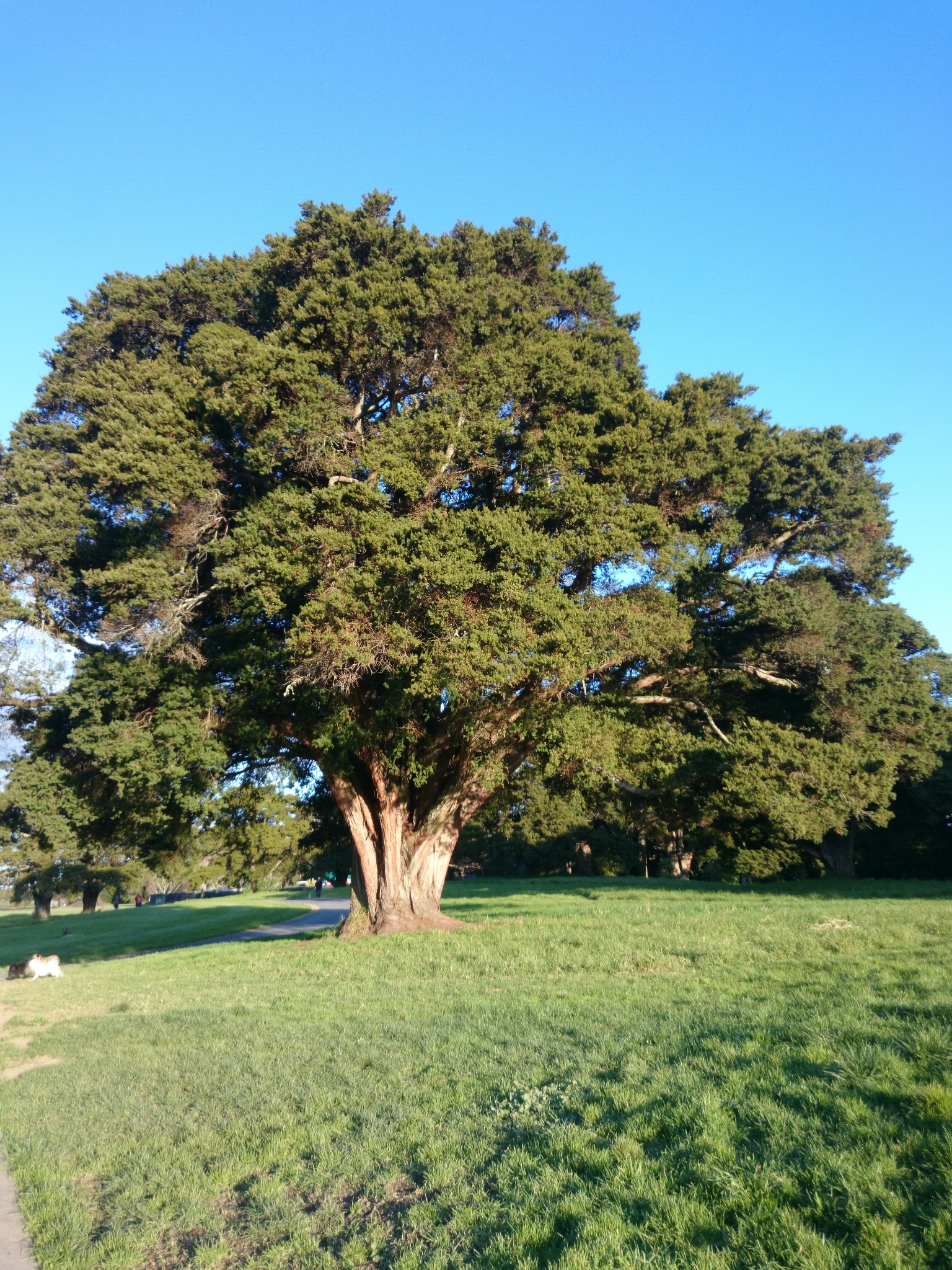
Podocarpus totara is a large evergreen conifer grown as an architectural tree, with yew-like foliage and peeling reddish-brown bark. It is one of several podocarps in cultivation, alongside the smaller, shrubby mountain totara (Podocarpus nivalis) and the golden-leaved totara 'Aureus'.
Source: RHS
Native to New Zealand
This genus traces its origins to New Zealand, where totara grows as a substantial forest tree. In garden conditions it is slower to reach its full stature, taking more than fifty years to mature, though the compact mountain totara reaches its modest ultimate height in ten to twenty years.
Source: RHS
Sun, shelter, moist soil
These podocarps ask for a sunny position, ideally sheltered from drying, cold winds, and do best in fertile, humus-rich soil that is moist but well-drained. They tolerate a wide range of soil types, including chalk, clay, loam, and sand, across acid, alkaline, or neutral pH.
Source: RHS
Seed or cuttings
Propagation is by seed, though germination is slow and can take well over a year, or by semi-ripe cuttings taken from upright, leading shoots in late summer. For mountain totara, seed is best sown fresh in spring in an open frame, where it may still take up to eighteen months to germinate.
Source: RHS
Bark, foliage, and fruit
Totara is conical when young and becomes spreading with age, clothed in dark green, yew-like foliage and reddish-brown bark that peels with maturity. Male and female flowers appear on separate trees, and where both are present, female trees follow with fleshy, pinkish-red fruit in autumn. The mountain totara stays low and dense with narrow dark green leaves and small red fruits, while 'Aureus' shows bright yellow-green foliage in full sun.
Source: RHS
Generally trouble-free
Across the totara types, the RHS notes them as generally pest-free and generally disease-free, with no particular problems flagged for the home grower to watch for.
Source: RHS
Little pruning needed
These are low-maintenance plants: totara falls into the light-pruning group, mountain totara needs no pruning at all, and 'Aureus' likewise requires none, though it can be trimmed if grown as a hedge or screen.
Source: RHS
Care recipe
The species record — the baseline every cultivar inherits unless it says otherwise.
Care notes are early — not yet verified
- Light
- ai:claude-opus-4-8
- Water
- ai:claude-opus-4-8 (range 7-14d)
- Humidity
- ai:claude-opus-4-8
- Soil
- ai:claude-fable-5
- Care
- ai:claude-fable-5
Bright, indirect
≈ every 14 days
Medium
8–24 °C
Well-draining loam with grit for good aeration
Semi-hardwood cuttings or fresh seed, both slow
Balanced liquid feed monthly in spring and summer
Slow
Rarely flowers indoors
Not yet documented
This is where toxicity lives — every cultivar of this species inherits it and none can override it.
Reference images
Every image credited. Licenses link to their deeds.
PrimarySources: ai:claude-opus-4-8 · ai:claude-opus-4-8 (range 7-14d) · ai:claude-fable-5
Kept true by its growers
Every fact here carries its source. Grow Totara yourself? What you’ve observed — how it drinks, how it holds its color, a name that’s off — and a clear photo of your plant are exactly what keep this page honest. Contributions are reviewed before anything changes.
Sign in to add what you know →