Species · genus Plectranthus · Lamiaceae
Zulu Spur-flower
Plectranthus zuluensis T.Cooke
Also known as: Zulu Spurflower
Cultivars of P. zuluensis
The named forms growers keep — each with its own page, each honest about how much we know.
No named cultivars catalogued under P. zuluensis yet. When growers document a stable, named form, it earns its own page here.
Guide
The species-level account. Cultivar pages build on this and say where they differ.
The Zulu spurflower
Plectranthus zuluensis, known as the Zulu spurflower, is a frost-tender member of the mint family grown for both its textured foliage and its late-season flower spikes. It forms an erect or sprawling bushy plant reaching around half a metre to a metre in height and spread.
Source: RHS
A southern African native
This species comes from southern Africa, and its common name nods to the Zulu region it hails from. It belongs to the genus Plectranthus, a group of annuals, evergreen perennials and shrubs known for opposite, often heart-shaped leaves and whorled tubular flowers.
Source: RHS
Light, soil, and setting
This plant does best in partial to full shade, in fertile, well-drained soil that can be loam or sand and range from acid to alkaline. It tolerates low temperatures but not freezing, so it should only go outside once the risk of frost has passed, and it appreciates a sheltered spot.
Source: RHS
Seed or summer cuttings
Zulu spurflower can be raised from seed or increased by cuttings taken in summer.
Source: RHS
Foliage and flower spikes
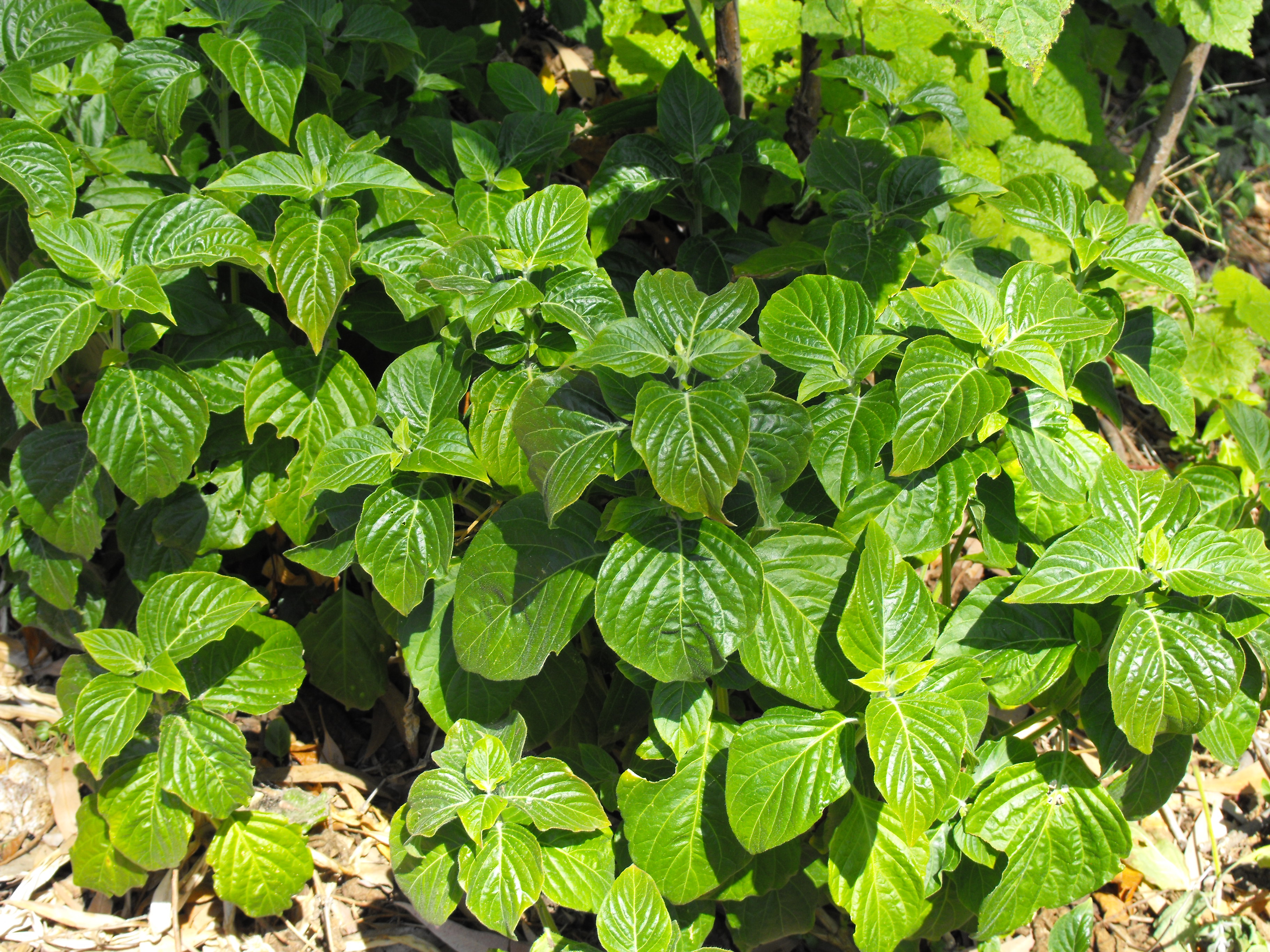
The lime-green leaves are ovate, coarsely toothed, and noticeably textured, held on an evergreen, bushy plant. From late spring into summer it sends up spikes of blue to pale mauve, tubular, spurred flowers, carried above the foliage on dark purple stems.
Source: RHS
Largely trouble-free
This plant is generally free of both pests and diseases, which makes it an easier-going choice among tender bedding and container plants.
Source: RHS
Deadhead and trim back
Deadheading spent flower spikes encourages further flowering, and trimming the plant back after flowering, or in spring, keeps growth bushy rather than leggy. Expect it to reach full size over two to five years.
Source: RHS
Care recipe
The species record — the baseline every cultivar inherits unless it says otherwise.
Care notes are early — not yet verified
- Light
- ai:claude-opus-4-8
- Water
- ai:claude-opus-4-8 (range 7-12d)
- Humidity
- ai:claude-opus-4-8
- Soil
- ai:claude-fable-5
- Care
- ai:claude-fable-5
Bright, indirect
≈ every 12 days
Medium
10–25 °C
Well-draining potting mix
Softwood stem cuttings root readily
Balanced liquid feed monthly in spring and summer
Fast
Slender spikes of pale mauve flowers in late summer to autumn
Not yet documented
This is where toxicity lives — every cultivar of this species inherits it and none can override it.
Reference images
Every image credited. Licenses link to their deeds.
PrimarySources: ai:claude-opus-4-8 · ai:claude-opus-4-8 (range 7-12d) · ai:claude-fable-5
Kept true by its growers
Every fact here carries its source. Grow Zulu Spur-flower yourself? What you’ve observed — how it drinks, how it holds its color, a name that’s off — and a clear photo of your plant are exactly what keep this page honest. Contributions are reviewed before anything changes.
Sign in to add what you know →