Species · genus Pilea · Urticaceae
Artillery Plant
Pilea microphylla (L.) Liebm.
Also known as: Gunpowder Plant · Lace Plant · Rockweed · Creeping Charly · Military-fern
Cultivars of P. microphylla
The named forms growers keep — each with its own page, each honest about how much we know.
No named cultivars catalogued under P. microphylla yet. When growers document a stable, named form, it earns its own page here.
Guide
The species-level account. Cultivar pages build on this and say where they differ.
Meet the Artillery Plant
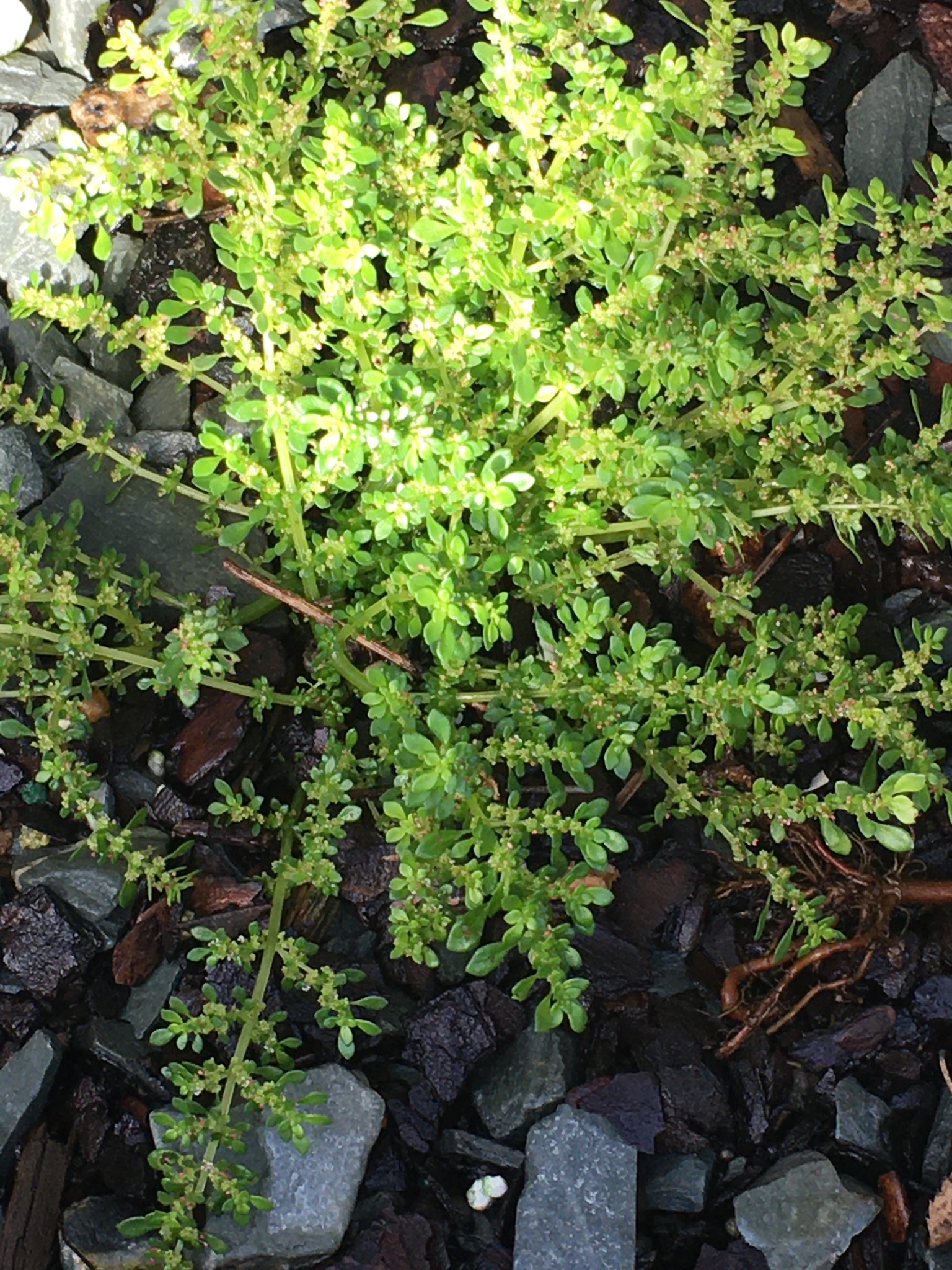
Pilea microphylla, commonly called artillery plant, is a small houseplant prized for its dense clusters of tiny green leaves. Its diminutive size makes it a natural fit for terrariums and dish gardens rather than as a standalone floor specimen.
Source: Costa Farms
Light, Water, Humidity
Pilea does best in medium light but is genuinely adaptable, tolerating both brighter spots and lower light without much fuss. Let the top inch or so of soil dry out between waterings, and when in doubt, err toward underwatering rather than keeping the soil soggy. It also appreciates plenty of humidity, which is easy to provide by grouping it with other plants or growing it in a terrarium.
Source: Costa Farms
Small Leaves, Big Texture
What sets pilea apart as a group is foliage that reads as unusual, whether richly textured or variegated, giving it a look distinct from other houseplants. In the case of artillery plant, that translates to a fine, feathery mass of tiny green leaves rather than large or patterned ones.
Source: Costa Farms
Safe for Curious Pets
Pilea microphylla is listed as non-toxic to dogs, cats, and horses, so an inquisitive nibble is not a poisoning concern for these animals.
Source: ASPCA
Not for the Table
Artillery plant is not intended for human or animal consumption, so it is worth keeping that in mind around curious pets or children even though it is not a toxic species.
Source: Costa Farms
Care recipe
The species record — the baseline every cultivar inherits unless it says otherwise.
Care notes are early — not yet verified
- Light
- ai:claude-opus-4-8
- Water
- ai:claude-opus-4-8 (range 5-9d)
- Humidity
- ai:claude-opus-4-8
- Soil
- ai:claude-fable-5
- Care
- ai:claude-fable-5
Bright, indirect
≈ every 9 days
Medium
16–27 °C
Loose, fast-draining potting mix
Stem cuttings or self-sown seedlings
Dilute balanced feed every 4 to 6 weeks in the growing season
Fast
Tiny greenish flowers that puff pollen; foliage is the draw
Not yet documented
This is where toxicity lives — every cultivar of this species inherits it and none can override it.
Reference images
Every image credited. Licenses link to their deeds.
PrimarySources: ai:claude-opus-4-8 · ai:claude-opus-4-8 (range 5-9d) · ai:claude-fable-5
Kept true by its growers
Every fact here carries its source. Grow Artillery Plant yourself? What you’ve observed — how it drinks, how it holds its color, a name that’s off — and a clear photo of your plant are exactly what keep this page honest. Contributions are reviewed before anything changes.
Sign in to add what you know →