Species · genus Phoenix · Arecaceae
Pygmy Date Palm
Phoenix roebelenii O'Brien
Also known as: Dwarf Date Palm · Miniature Date Palm · Roebelin Palm
Cultivars of P. roebelenii
The named forms growers keep — each with its own page, each honest about how much we know.
No named cultivars catalogued under P. roebelenii yet. When growers document a stable, named form, it earns its own page here.
Guide
The species-level account. Cultivar pages build on this and say where they differ.
A Dwarf Palm
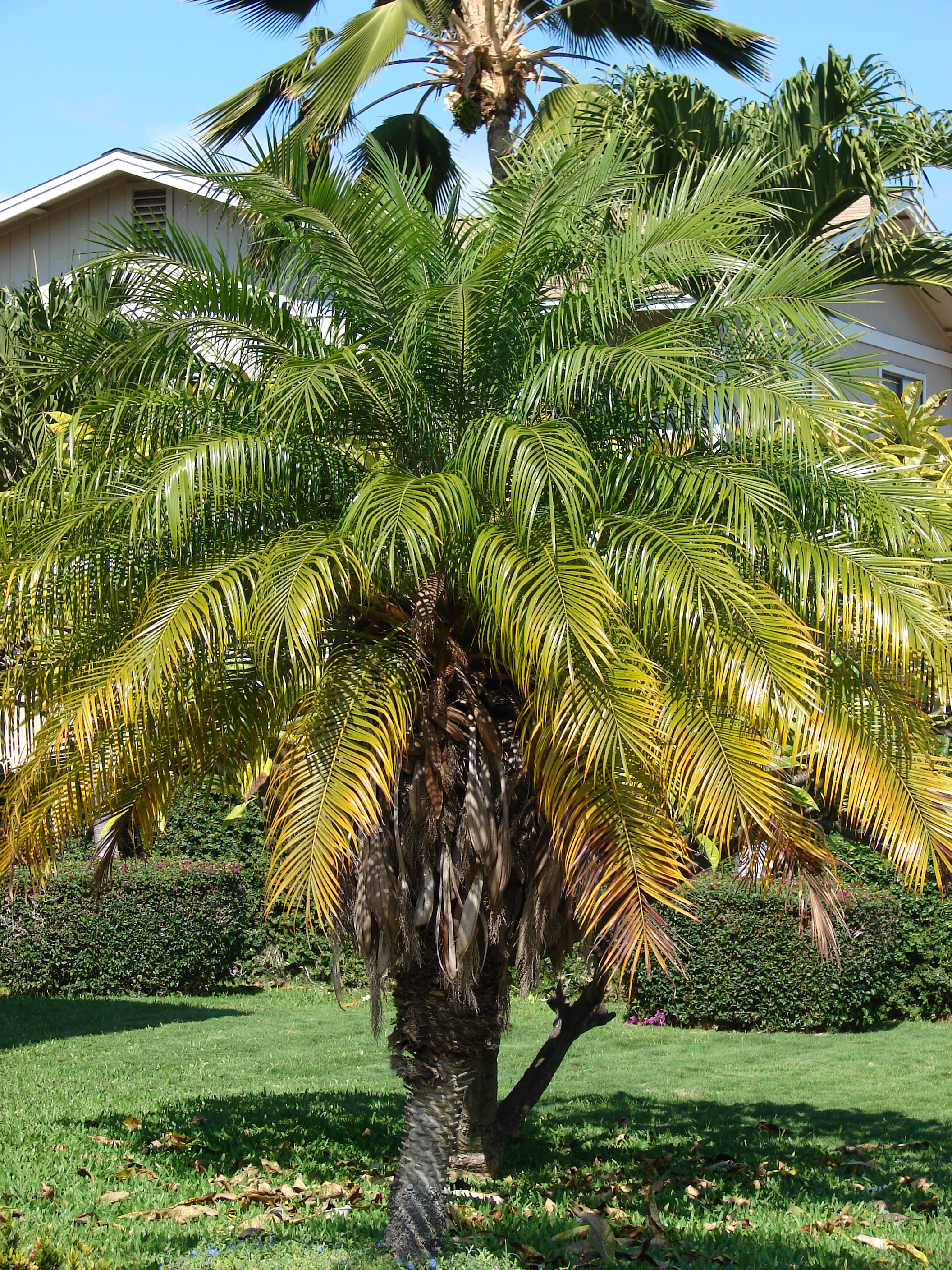
Phoenix roebelenii, the miniature date palm, is a compact evergreen palm with a slender, sometimes clustered trunk and finely divided, arching fronds. Small yellow flowers may give way to small black fruit that is edible.
Source: RHS
Native Range
This palm's natural home runs from Yunnan in south-central China through northern Indo-China, taking in Laos, Myanmar, Thailand, and Vietnam, with populations also introduced to Assam and Trinidad-Tobago. It grows as a shrub within the subtropical biome, valued both as food and for environmental uses. The species was first described in 1889.
Source: Kew
Light, Water, Feed
Grown under glass or as a houseplant, this palm wants bright indirect light with protection from hot direct sun, set in a peat-free, loam-based compost that stays moist but well-drained. Water moderately through the growing season and feed monthly with a balanced fertiliser, then cut back to sparing water once winter arrives. Outdoors it can take full sun or partial shade, but in the UK it is only reliably grown under cover, rated for outdoor placement in summer only.
Source: RHS
Growing From Seed
Propagation is by seed, sown at a fairly warm 19 to 24°C in spring.
Source: RHS
Form and Fruit
The defining feature is its scale: a genuinely dwarf palm reaching only 1.5 to 2.5 metres, with pinnate leaves that can stretch to a metre despite the plant's small stature. Its habit is bushy, its trunk narrow, and it holds its evergreen foliage year round. Drooping panicles of yellow flowers are followed by fleshy, ellipsoid fruit.
Source: RHS
Scale and Mites
Under glass, keep an eye out for scale insect and glasshouse red spider mite, the two pests most likely to trouble this palm. Otherwise it is generally free of disease.
Source: RHS
Little Upkeep Needed
This is an easy-care palm in terms of upkeep: no pruning is required, and it is generally disease-free. It is slow to reach its full size, taking anywhere from 20 to 50 years to mature.
Source: RHS
Care recipe
The species record — the baseline every cultivar inherits unless it says otherwise.
Care notes are early — not yet verified
- Light
- ai:claude-opus-4-8
- Water
- ai:claude-opus-4-8 (range 7-12d)
- Humidity
- ai:claude-opus-4-8
- Soil
- ai:claude-fable-5
- Care
- ai:claude-fable-5
Bright, indirect
≈ every 12 days
Medium
15–30 °C
Fast-draining loamy mix with sand and perlite
Seed, or separation of basal suckers
Balanced palm feed monthly in spring and summer
Slow
Rarely flowers indoors
Not yet documented
This is where toxicity lives — every cultivar of this species inherits it and none can override it.
Reference images
Every image credited. Licenses link to their deeds.
Sources: ai:claude-opus-4-8 · ai:claude-opus-4-8 (range 7-12d) · ai:claude-fable-5
Kept true by its growers
Every fact here carries its source. Grow Pygmy Date Palm yourself? What you’ve observed — how it drinks, how it holds its color, a name that’s off — and a clear photo of your plant are exactly what keep this page honest. Contributions are reviewed before anything changes.
Sign in to add what you know →