Species · genus Phoenix · Arecaceae
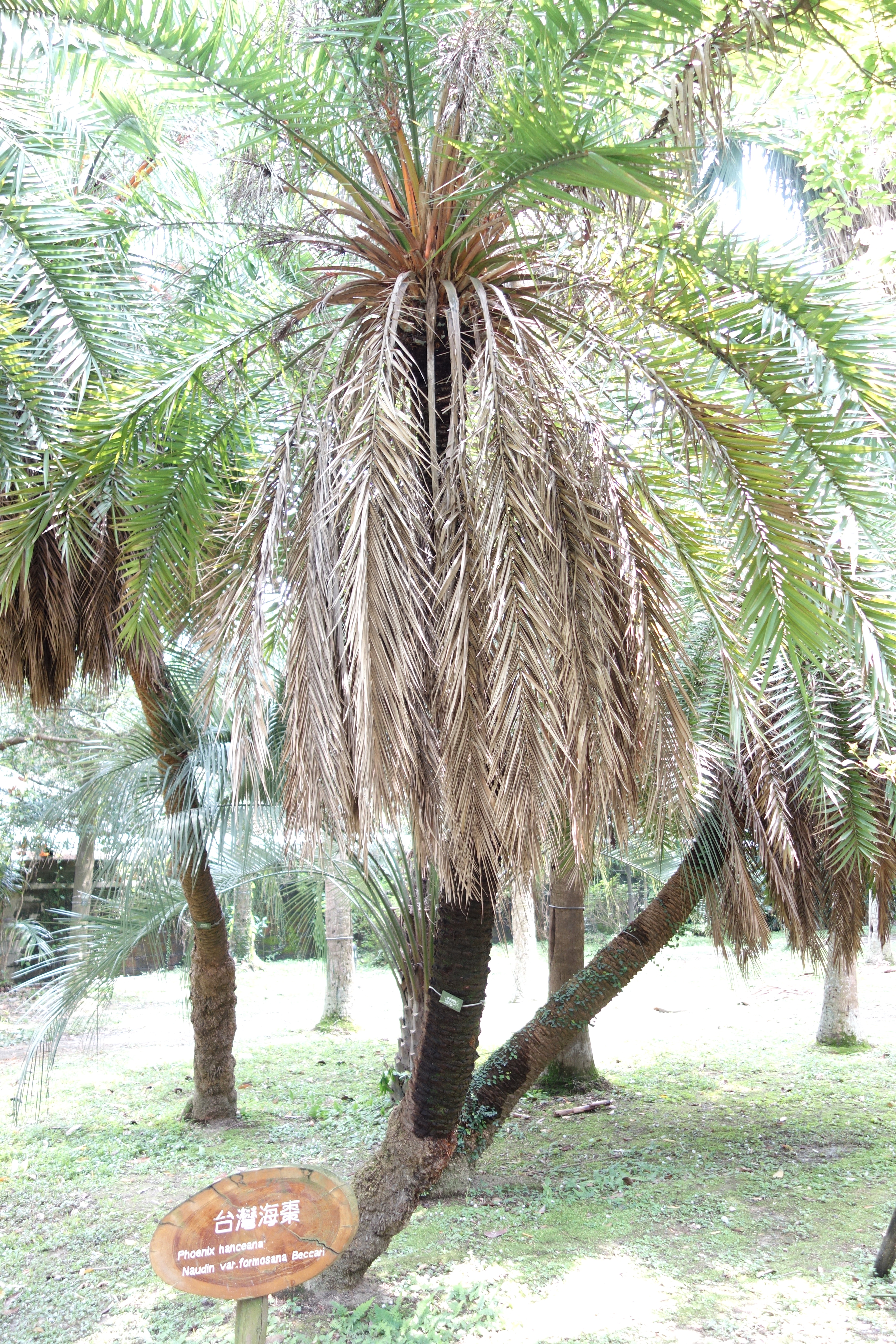
Loureir's Date Palm
Phoenix loureiroi Kunth
Also known as: Loureiro's Palm · Spiny Date Palm
Cultivars of P. loureiroi
The named forms growers keep — each with its own page, each honest about how much we know.
No named cultivars catalogued under P. loureiroi yet. When growers document a stable, named form, it earns its own page here.
Guide
The species-level account. Cultivar pages build on this and say where they differ.
A Palm of Many Names
Phoenix loureiroi is a palm-family shrub or tree, accepted under that name by Kew's Plants of the World Online. It carries a tangle of old synonyms behind it, a sign of a plant that botanists have long puzzled over and re-described.
Source: Kew
Range Across Monsoon Asia
This palm's native range runs from the Indian Subcontinent through southeast China and into the Philippines, taking in Assam, Bangladesh, Cambodia, southeast China, the East and West Himalaya, Hainan, India, Laos, Myanmar, Nepal, Pakistan, Taiwan, Thailand, and Vietnam. It grows chiefly in the wet tropical biome, though one of its varieties leans toward subtropical conditions on the Indian Subcontinent. Two accepted varieties split this range between them: var. loureiroi across Indo-China into southeast China and the Philippines, and var. pedunculata across the Indian Subcontinent.
Source: Kew
Shrub or Tree Habit
Phoenix loureiroi grows as a shrub or tree, the form typical of its palm relatives. Its varieties differ mainly in geography and biome preference rather than in any dramatic form noted here, with var. pedunculata favoring subtropical settings and var. loureiroi tied to wetter tropical ground.
Source: Kew
Care recipe
The species record — the baseline every cultivar inherits unless it says otherwise.
Care notes are early — not yet verified
- Light
- ai:claude-opus-4-8
- Water
- ai:claude-opus-4-8 (range 7-14d)
- Humidity
- ai:claude-opus-4-8
- Soil
- ai:claude-fable-5
- Care
- ai:claude-fable-5
Direct sun
≈ every 14 days
Medium
13–32 °C
Gritty, fast-draining loam with sand and perlite
Seed, or separation of basal suckers
Balanced palm feed a few times in the growing season
Slow
Rarely flowers indoors
Not yet documented
This is where toxicity lives — every cultivar of this species inherits it and none can override it.
Reference images
Every image credited. Licenses link to their deeds.
PrimarySources: ai:claude-opus-4-8 · ai:claude-opus-4-8 (range 7-14d) · ai:claude-fable-5
Kept true by its growers
Every fact here carries its source. Grow Loureir's Date Palm yourself? What you’ve observed — how it drinks, how it holds its color, a name that’s off — and a clear photo of your plant are exactly what keep this page honest. Contributions are reviewed before anything changes.
Sign in to add what you know →