Species · genus Philodendron · Araceae
Philodendron quinquenervium
Philodendron quinquenervium Miq.
Cultivars of P. quinquenervium
The named forms growers keep — each with its own page, each honest about how much we know.
No named cultivars catalogued under P. quinquenervium yet. When growers document a stable, named form, it earns its own page here.
Guide
The species-level account. Cultivar pages build on this and say where they differ.
A Climbing Philodendron
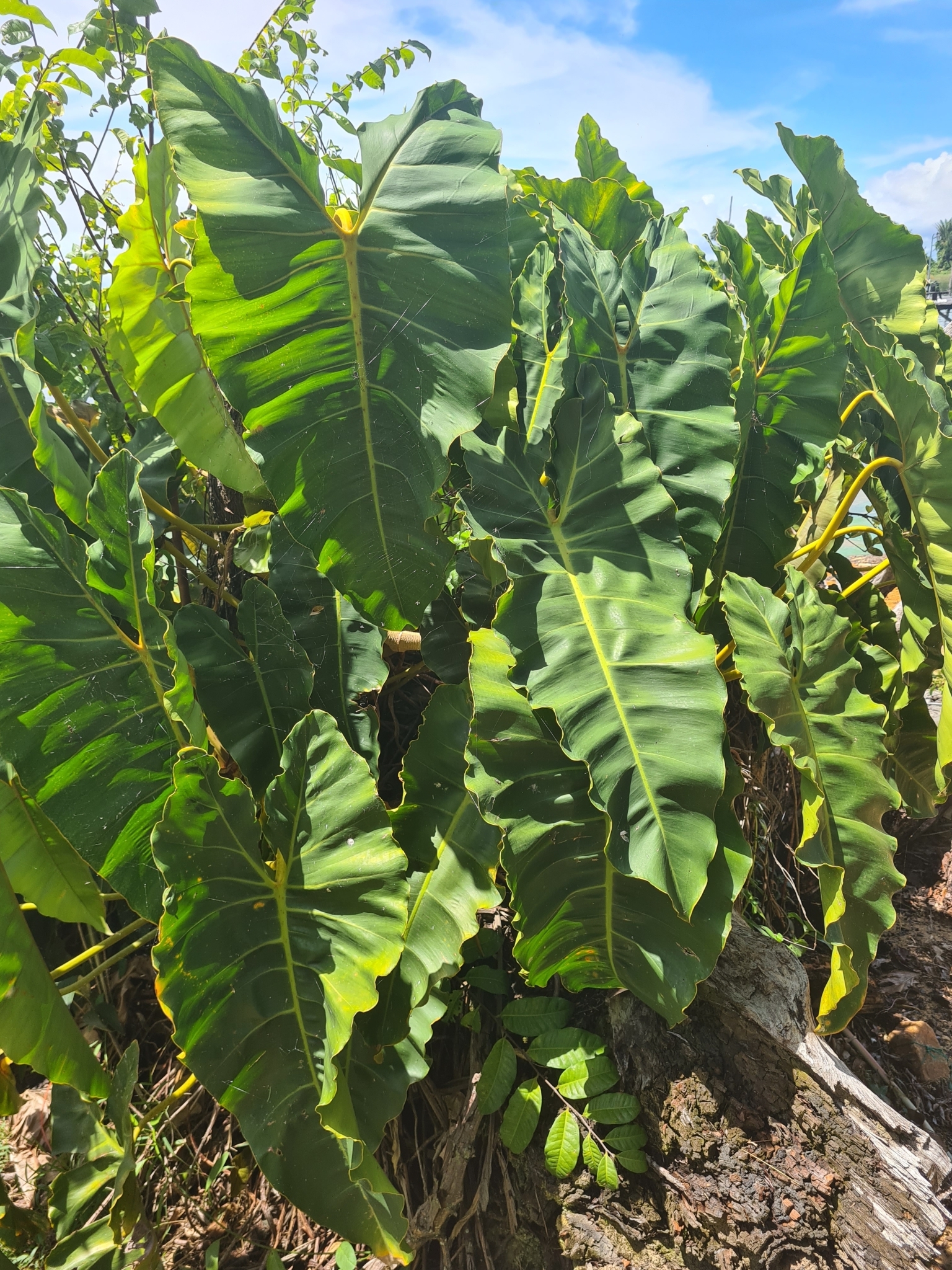
Philodendron quinquenervium is a climbing species within the large and varied Philodendron genus, a group that includes both vining and upright-growing houseplants prized for their easy nature. Like its relatives, it belongs to the aroid family and is grown as much for its foliage as for its undemanding constitution.
Source: Kew
A Tropical American Native
This species is native to a broad swath of tropical South America and the Caribbean, ranging from Trinidad through Guyana, Suriname, French Guiana, Venezuela, Colombia, Peru, Bolivia, and several regions of Brazil. It grows naturally as a climber in wet tropical forest. Locally, it has also been used as a medicine.
Source: Kew
Light, Water, Feeding Rhythm
Philodendrons as a group tolerate low light but grow faster and stay healthier in medium to bright indirect light, while direct sun can scorch the leaves. Water thoughtfully rather than generously: soggy, waterlogged soil drowns roots and shows up as droopy leaves despite moist soil, while bone-dry soil produces the same droop from thirst. Feed monthly through spring and summer, then stretch feedings to every six to eight weeks in fall and winter, watching for smaller new leaves as a cue the plant wants more.
Source: Costa Farms
Room to Climb, Room to Grow
As a vining type, this philodendron appreciates space and a structure to scale, such as a post or trellis, or the freedom to cascade from a hanging basket. Repotting becomes necessary once the plant is root bound, a state signaled by roots pushing out through the drainage holes.
Source: Costa Farms
Care recipe
The species record — the baseline every cultivar inherits unless it says otherwise.
Care notes are early — not yet verified
- Light
- ai:claude-opus-4-8
- Water
- ai:claude-opus-4-8 (range 7-12d)
- Humidity
- ai:claude-opus-4-8
- Soil
- ai:claude-fable-5
- Care
- ai:claude-fable-5
Bright, indirect
≈ every 12 days
High
18–29 °C
Light, well-draining aroid mix with bark and perlite
Stem cuttings with a node rooted in water or mix
Diluted balanced feed monthly during active growth
Moderate
Rarely flowers indoors
Toxic to cats & dogs & humans
Araceae contain insoluble calcium oxalate crystals, which irritate mouth and digestive tissues. This is where toxicity lives: every cultivar of this species inherits it and none can override it.
Reference images
Every image credited. Licenses link to their deeds.
PrimarySources: ai:claude-opus-4-8 · ai:claude-opus-4-8 (range 7-12d) · ai:claude-fable-5 · ai:claude-opus-4-8 (family inference)
Kept true by its growers
Every fact here carries its source. Grow Philodendron quinquenervium yourself? What you’ve observed — how it drinks, how it holds its color, a name that’s off — and a clear photo of your plant are exactly what keep this page honest. Contributions are reviewed before anything changes.
Sign in to add what you know →