Species · genus Philodendron · Araceae
Black-gold Philodendron
Philodendron melanochrysum Linden & André
Cultivars of P. melanochrysum
The named forms growers keep — each with its own page, each honest about how much we know.
No named cultivars catalogued under P. melanochrysum yet. When growers document a stable, named form, it earns its own page here.
Guide
The species-level account. Cultivar pages build on this and say where they differ.
The black-gold philodendron
Philodendron melanochrysum, known as the black-gold philodendron, is a slow-growing evergreen climber prized for its large velvet leaves. Left to climb, it can reach 3 metres or more indoors, though it takes its time getting there.
Source: RHS
A native of Colombia and Panama
This philodendron hails from Colombia and Panama, part of the vast Araceae family of arum relatives. In the wild its climbing habit lets it scramble upward through the forest rather than sprawl along the ground.
Source: RHS
Bright, filtered, and warm
This plant wants bright but filtered light rather than direct sun, which will scorch those velvet leaves, and too little light dulls their colour. Water when the top few centimetres of compost have dried, keeping things consistently moist but never waterlogged, and lean on humidity of 60 to 80 per cent to keep it comfortable. Temperatures between 18 and 27°C suit it best, with anything below 15°C risking damage, and feeding should follow the growing season, tapering off through autumn and winter.
Source: RHS
Cuttings do the work
Propagation is straightforward from softwood stem tip cuttings or leaf bud cuttings.
Source: RHS
Velvet leaves, coppery sheen
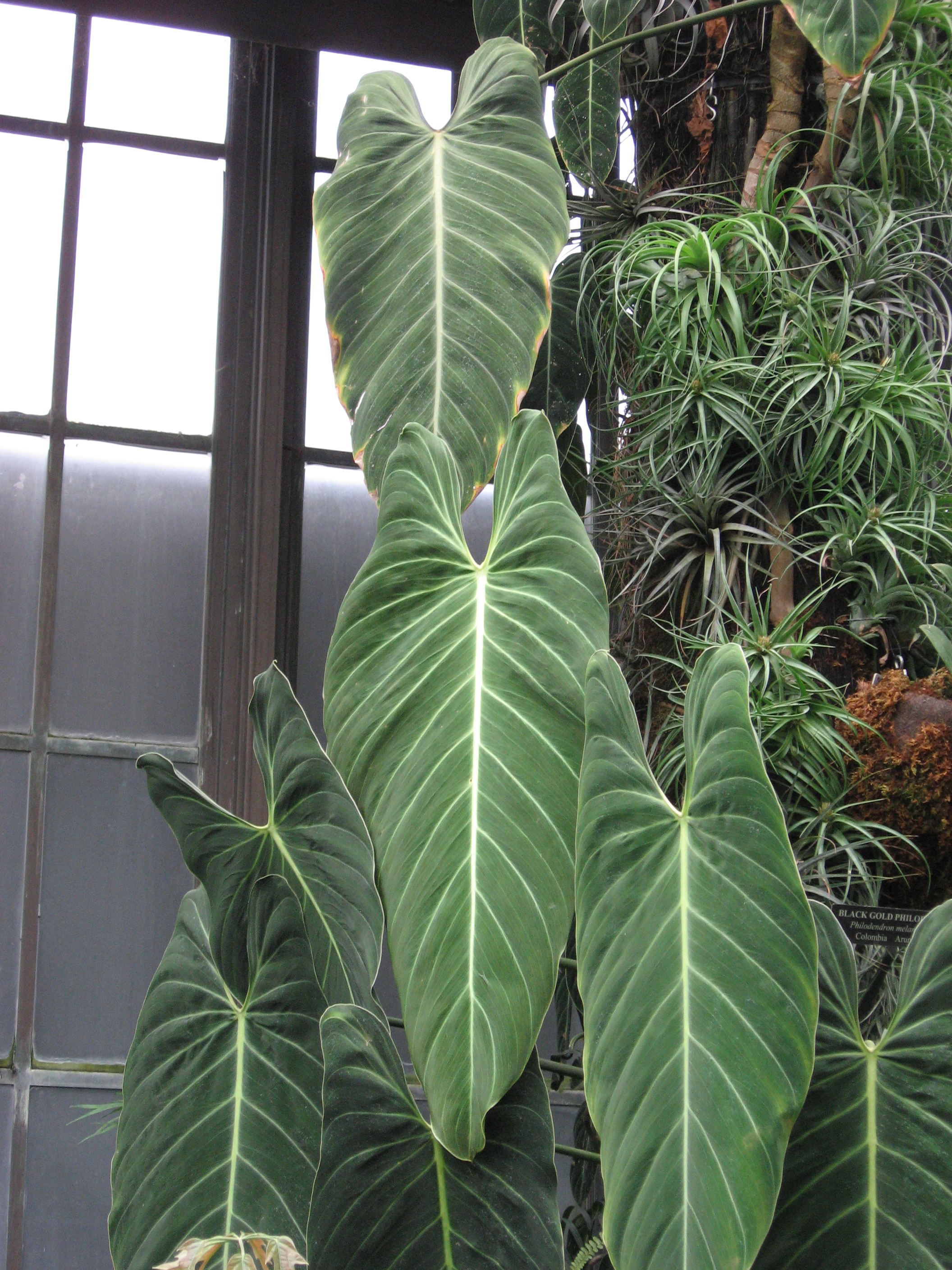
The heart-shaped leaves are the whole point here, growing anywhere from 25 to 75cm long with a deep green, almost velvet texture. A coppery sheen plays across the surface, set off by pale green veins, and the habit itself is a true climber rather than an upright shrub.
Source: RHS
Watch for the usual suspects
Scale insects and glasshouse red spider mite are the pests most likely to trouble this philodendron, alongside aphids and mealybug. Diseases are not a major concern here; this is generally a disease-free plant.
Source: RHS
Pruning and repotting rhythm
Little pruning is needed beyond shaping the plant or removing yellowed or damaged leaves, cutting just above a leaf node to encourage fuller growth. Repot roughly every two to three years, or once the plant becomes root-bound, using a well-draining mix rich in organic matter, and do this work in spring so the plant can settle in during the growing season.
Source: RHS
Care recipe
The species record — the baseline every cultivar inherits unless it says otherwise.
Care notes are early — not yet verified
- Light
- ai:claude-opus-4-8
- Water
- ai:claude-opus-4-8 (range 7-12d)
- Humidity
- ai:claude-opus-4-8
- Soil
- ai:claude-fable-5
- Care
- ai:claude-fable-5
Bright, indirect
≈ every 12 days
High
18–29 °C
Airy, moisture-retentive aroid mix with bark and sphagnum
Stem cuttings with a node rooted on a damp pole
Diluted balanced feed monthly in spring and summer
Moderate
Rarely flowers indoors
Toxic to cats & dogs & humans
Araceae contain insoluble calcium oxalate crystals, which irritate the mouth and digestive tract if chewed. This is where toxicity lives: every cultivar of this species inherits it and none can override it.
Reference images
Every image credited. Licenses link to their deeds.
Sources: ai:claude-opus-4-8 · ai:claude-opus-4-8 (range 7-12d) · ai:claude-fable-5 · ai:claude-opus-4-8 (family inference)
Kept true by its growers
Every fact here carries its source. Grow Black-gold Philodendron yourself? What you’ve observed — how it drinks, how it holds its color, a name that’s off — and a clear photo of your plant are exactly what keep this page honest. Contributions are reviewed before anything changes.
Sign in to add what you know →