Species · genus Phalaenopsis · Orchidaceae
Moth Orchid
Phalaenopsis amabilis (L.) Blume
Also known as: Moon Orchid · White Moth Orchid · Phalaenopsis Orchid
Cultivars of P. amabilis
The named forms growers keep — each with its own page, each honest about how much we know.
No named cultivars catalogued under P. amabilis yet. When growers document a stable, named form, it earns its own page here.
Guide
The species-level account. Cultivar pages build on this and say where they differ.
The East Indian Butterfly
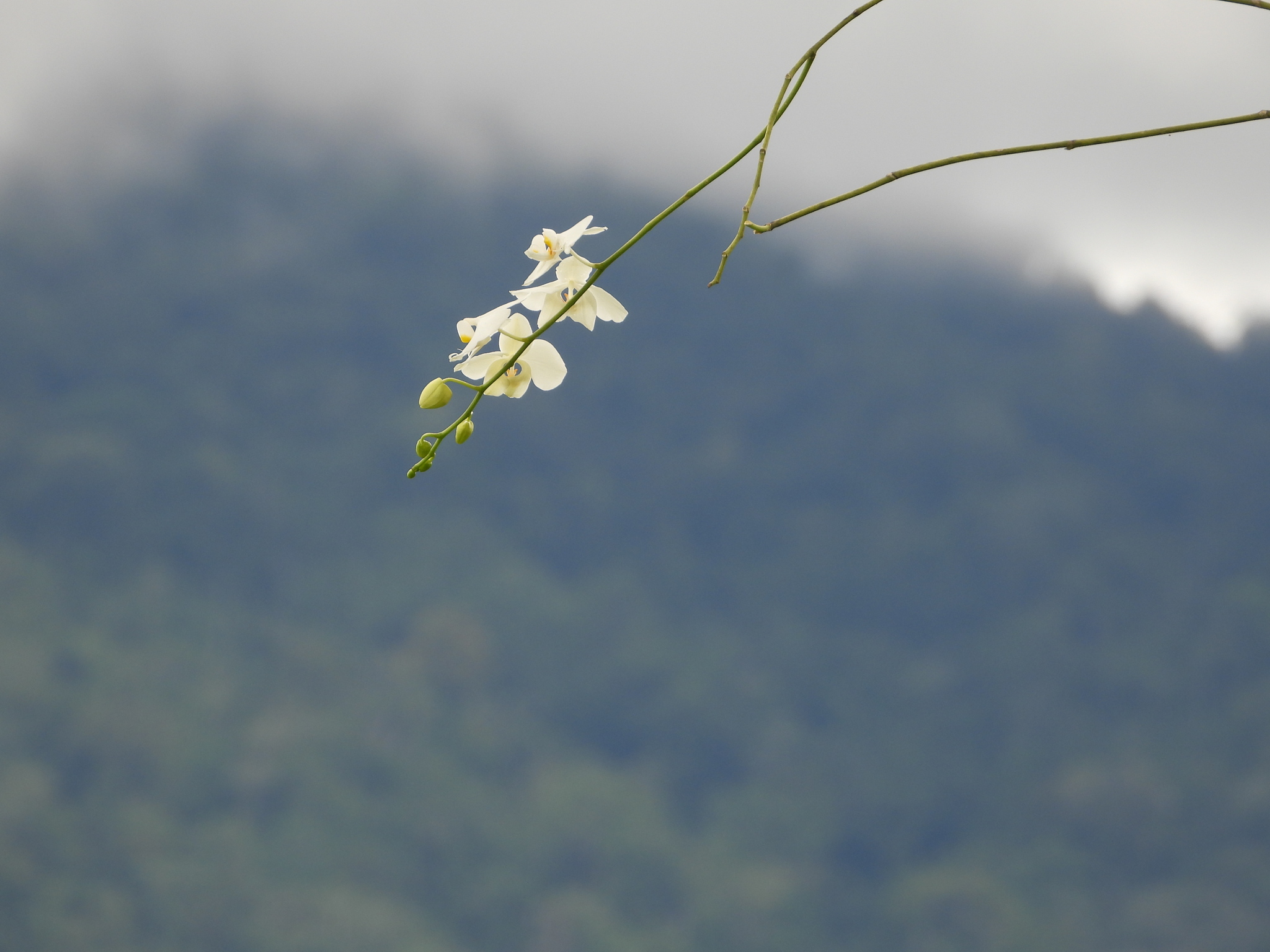
Phalaenopsis amabilis is an upright, evergreen orchid known in English as the East Indian butterfly plant, carrying an RHS Award of Garden Merit. It sends up broad, fleshy leaves and branched sprays of white, scented flowers up to 10cm across, each marked with a yellow and red-throated lip.
Source: RHS
From the East Indies
This species comes from the East Indies and Australia, where it grows as an epiphyte rather than rooting in soil. Its short, stem-like rhizomes and lack of pseudobulbs are typical of the wider Phalaenopsis genus, a large group of mainly epiphytic species and hybrids from that region.
Source: RHS
Warmth, Light, and Bark
Grow this orchid in an open, bark-based compost, in good indirect light with warm, even temperatures, keeping it above 16°C at all times and away from draughts or sudden shifts in temperature. Water thoroughly once the compost has almost dried out, never letting the plant stand in water, and feed lightly but regularly through the growing season, easing off in winter to avoid a build-up of salts.
Source: RHS
Keiki and Cuttings
New plants can be raised from cuttings or from the small offshoots known as keiki, which root successfully once their own roots reach about 2cm long. These plantlets sprout naturally from nodes on the flower stem and, once well rooted, can simply be detached and potted into orchid compost.
Source: RHS
Broad Leaves, Branched Blooms
Between three and five oval, fleshy leaves, growing up to 50cm long, form the base of this columnar, upright plant. From autumn to early spring it produces numerous long-lasting, fragrant white flowers on branched racemes that can reach a metre in height, each bloom showing a white and yellow lip with a red throat.
Source: RHS
Aphids, Mites, Mealybugs
This orchid may be susceptible to aphids, glasshouse red spider mite, and mealybugs, though it is otherwise generally free of disease. Regular checking makes any early infestation easier to deal with.
Source: RHS
Cutting Back After Flowering
Once a flowered stem has finished blooming, cut it back to a lower node to encourage the plant to send up further flowers. Beyond this pruning, the plant asks for consistent warmth, good light, and steady watering rather than any particular seasonal dormancy routine.
Source: RHS
Care recipe
The species record — the baseline every cultivar inherits unless it says otherwise.
Care notes are early — not yet verified
- Light
- ai:claude-opus-4-8
- Water
- ai:claude-opus-4-8 (range 7-12d)
- Humidity
- ai:claude-opus-4-8
- Soil
- ai:claude-fable-5
- Care
- ai:claude-fable-5
Bright, indirect
≈ every 12 days
High
18–29 °C
Coarse orchid bark mix — never standard potting soil
Keikis — plantlets that form on the flower spike
Weakly, weekly: quarter-strength orchid feed while in growth
Slow
Long-lasting sprays, often winter into spring; cooler nights trigger rebloom
Not yet documented
This is where toxicity lives — every cultivar of this species inherits it and none can override it.
Reference images
Every image credited. Licenses link to their deeds.
PrimarySources: ai:claude-opus-4-8 · ai:claude-opus-4-8 (range 7-12d) · ai:claude-fable-5
Kept true by its growers
Every fact here carries its source. Grow Moth Orchid yourself? What you’ve observed — how it drinks, how it holds its color, a name that’s off — and a clear photo of your plant are exactly what keep this page honest. Contributions are reviewed before anything changes.
Sign in to add what you know →