Species · genus Peperomia · Piperaceae
Raindrop Peperomia
Peperomia polybotrya Kunth
Also known as: Coin-Leaf Peperomia · Raindrop Plant
Cultivars of P. polybotrya
The named forms growers keep — each with its own page, each honest about how much we know.
No named cultivars catalogued under P. polybotrya yet. When growers document a stable, named form, it earns its own page here.
Guide
The species-level account. Cultivar pages build on this and say where they differ.
A Glossy Peruvian Peperomia
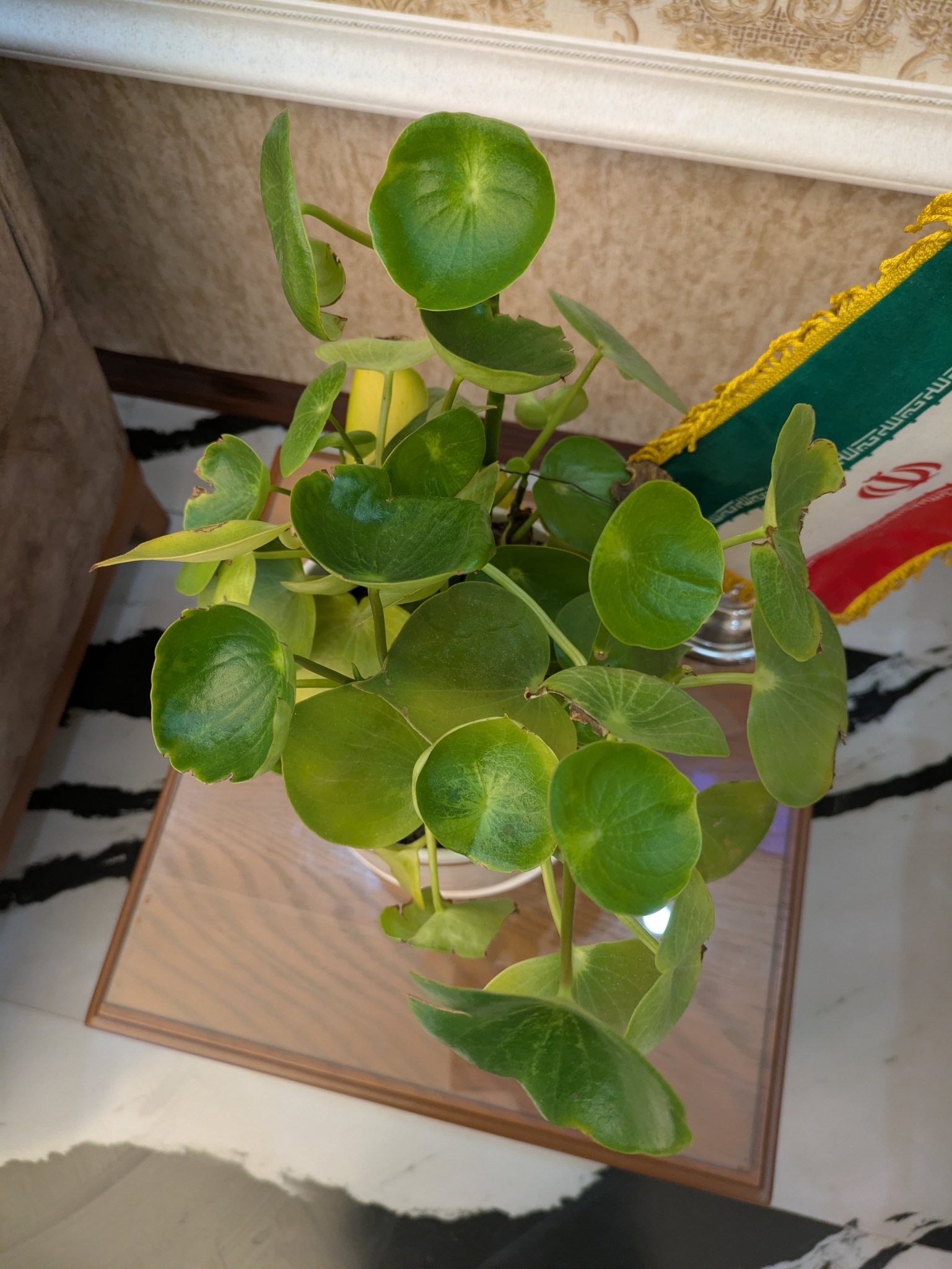
Raindrop peperomia, botanically Peperomia polybotrya, is a compact evergreen houseplant grown for its large, glossy, teardrop-shaped leaves. It stays small and tidy, making it well suited to a bright desk or tabletop rather than a floor-filling specimen.
Source: Costa Farms
Discovered in Peru
This peperomia was discovered growing in Peru, and its natural range is recorded as stretching from Colombia to Peru. It belongs to the Piperaceae family, alongside the many other peperomias known for simple, often succulent leaves and small greenish-white flowers.
Source: RHS
Bright Light, Measured Water
Give raindrop peperomia medium to bright light, ideally with a defined shadow, but shield it from harsh direct afternoon sun, which can scorch the leaves; it also tolerates artificial light well. Water only once the top half of the potting mix has dried, as the thick leaves store moisture and the plant resents overwatering. Average household humidity suits it, though very dry air can bring on crispy leaf edges, and feeding with a houseplant fertilizer through spring and summer, per the product label, keeps growth steady.
Source: Costa Farms
Cuttings or Seed
Raindrop peperomia can be propagated from stem cuttings taken in spring and summer, or from leaf and leaf-bud cuttings. Seed can also be sown when ripe, at a temperature of around 19 to 24°C.
Source: RHS
Heart-Shaped, Succulent Leaves
The plant's defining trait is its leaves: thick, glossy, and shaped like hearts or droplets, held on a bushy, evergreen habit. It is a modest grower, typically reaching only about 10 to 12 inches tall, or up to 20 to 30cm by RHS accounts, with slender spikes of small greenish-white flowers.
Source: Costa Farms
Sunburn and Dry-Air Edges
Too much direct light can scorch the leaves with unsightly sunburn, so a bright but indirect spot is safer. In dry air, watch for crispy, browned leaf edges, a sign humidity has dropped too low for comfort.
Source: Costa Farms
Minimal Upkeep Needed
This is a low-fuss plant: no pruning is required beyond removing old leaves as they fade naturally, and the RHS likewise notes no pruning is needed. It is grown purely for ornamental appeal and, while considered nontoxic, is not meant to be eaten.
Source: Costa Farms
Care recipe
The species record — the baseline every cultivar inherits unless it says otherwise.
Care notes are early — not yet verified
- Light
- ai:claude-opus-4-8
- Water
- ai:claude-opus-4-8 (range 7-14d)
- Humidity
- ai:claude-opus-4-8
- Soil
- ai:claude-fable-5
- Care
- ai:claude-fable-5
Bright, indirect
≈ every 14 days
Medium
16–27 °C
Chunky, free-draining mix with perlite
Leaf or stem cuttings in moist mix
Dilute balanced feed monthly in spring and summer
Moderate
Slim green spikes; grown for glossy raindrop-shaped succulent leaves
Non-toxic to cats & dogs
Peperomia (Piperaceae) — ASPCA lists multiple Peperomia non-toxic (e.g. watermelon peperomia, P. argyreia); genus-wide safe. This is where toxicity lives: every cultivar of this species inherits it and none can override it.
Reference images
Every image credited. Licenses link to their deeds.
Sources: ai:claude-opus-4-8 · ai:claude-opus-4-8 (range 7-14d) · ai:claude-fable-5 · ASPCA
Kept true by its growers
Every fact here carries its source. Grow Raindrop Peperomia yourself? What you’ve observed — how it drinks, how it holds its color, a name that’s off — and a clear photo of your plant are exactly what keep this page honest. Contributions are reviewed before anything changes.
Sign in to add what you know →