Species · genus Peperomia · Piperaceae
Baby Rubberplant
Peperomia obtusifolia (L.) A.Dietr.
Also known as: American Rubberplant · Oval-leaf Peperomia · Pepper-face
Cultivars of P. obtusifolia
The named forms growers keep — each with its own page, each honest about how much we know.
No named cultivars catalogued under P. obtusifolia yet. When growers document a stable, named form, it earns its own page here.
Guide
The species-level account. Cultivar pages build on this and say where they differ.
Meet the Baby Rubber Plant
Peperomia obtusifolia is a tropical perennial best known as the baby rubber plant, though gardeners also call it pepper face or American rubber plant. Slender upright stems carry fleshy, glossy leaves, and given a good spot it can live for years as a houseplant. It has earned enough regard to hold the Royal Horticultural Society's Award of Garden Merit.
Source: Epic Gardening
A Tropical Native
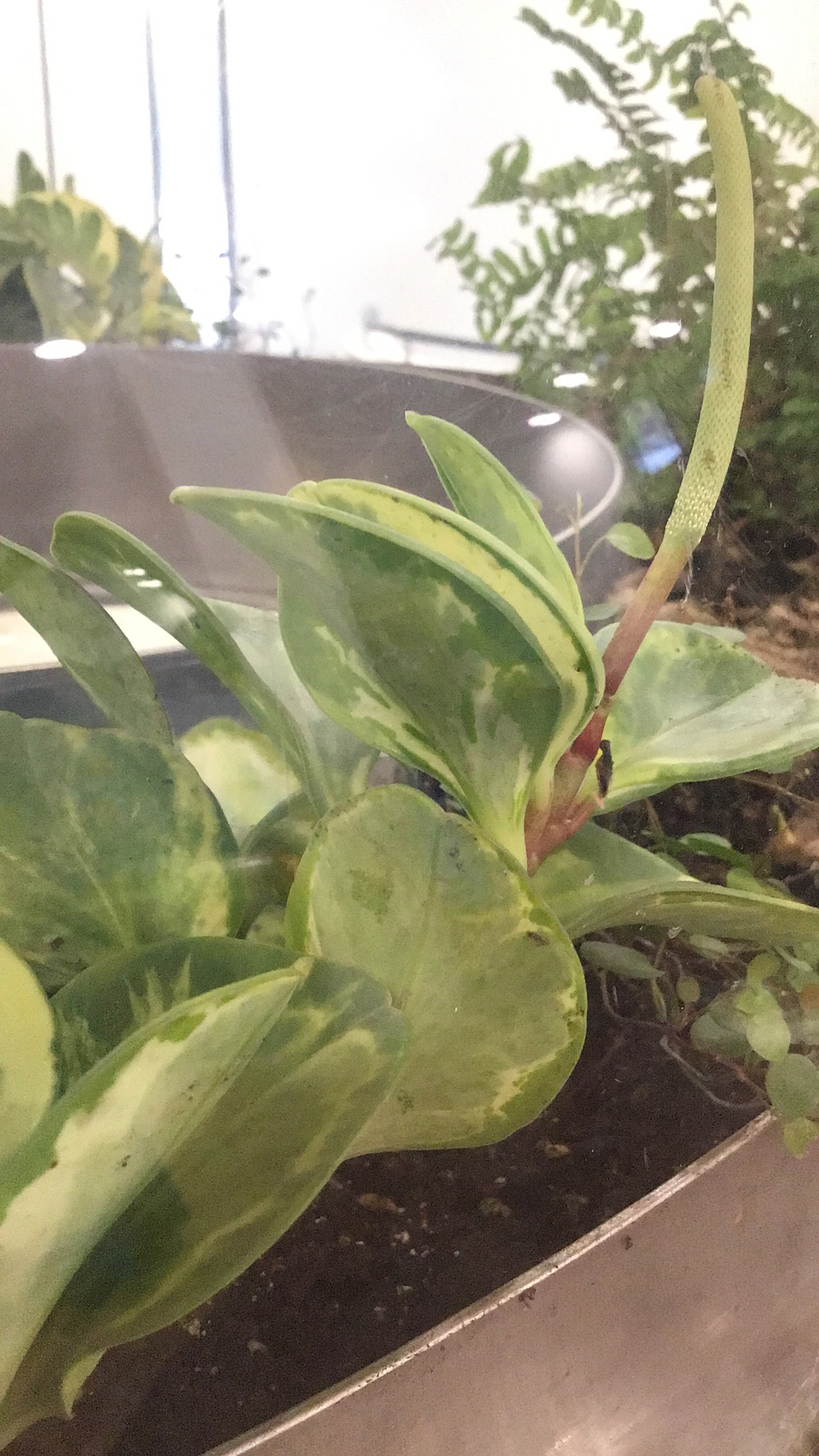
This peperomia traces back to Mexico, down through northern South America, and into parts of the West Indies, and it has since become a familiar sight in Florida, Mexico, and the Caribbean. Its species name means blunt-leaved, and the genus name itself nods to its resemblance to true black pepper, a relative in the Piperaceae family. In the wild it produces unshowy greenish-white flowers on spikes up to five inches long.
Source: Epic Gardening
A Steady, Undemanding Rhythm
Give this plant bright, indirect light, since too much direct sun discolors the leaves, and keep it warm, ideally above 60°F, as anything below 55°F causes chilling damage. Water lightly through spring and summer, letting the surface dry before watering again, then ease off in fall and winter. It appreciates high humidity reminiscent of its jungle origins, and a diluted balanced liquid fertilizer every three weeks in the growing season, tapering to monthly or longer in the cooler months, keeps it going in a well-draining, peaty mix.
Source: Epic Gardening
Rooting from Stem or Leaf
Stem tip or leaf cuttings are the standard way to make more of this plant, and rooting hormone on the cut end speeds things along. Pot the cutting in the same mix as the parent, then cover it to hold humidity and keep it out of bright light while it roots, which typically takes about a week. Some peperomias, including this one, can even continue growing on in water rather than being moved to soil.
Source: Epic Gardening
Fleshy Leaves, Varied Faces
The defining trait here is the leaf: thick, glossy, and almost succulent in appearance, arranged along slender upright stems. Straight green forms exist alongside cultivars variegated in gray, gold, or cream. Dwarf types stay compact enough for tight indoor spots, while the species overall tends to stay under a foot tall and wide.
Source: Epic Gardening
Sap-Suckers to Watch
Spider mites are the most frequent visitor, sucking sap from the fleshy leaves, and a miticide that coats the eggs is an effective response. Mealybugs and whiteflies show up less often but can still appear, and both respond to insecticidal soap, with a rubbing-alcohol swab useful for persistent mealybugs.
Source: Epic Gardening
Cold, Wet, and Viral Troubles
Overwatering can raise small blisters on the leaves and invite root or stem rot, so well-draining soil and no standing water are essential. Temperatures below 55°F brown the leaf tips and, near freezing, can defoliate the plant entirely, so drafts and vents are best avoided. Phytophthora and related fungi cause rot in overly moist soil, while peperomia ring spot virus produces incurable brown circular markings, most often spread through infected cuttings, and grey mold botrytis can appear in very humid settings.
Source: Epic Gardening
Light Pruning, Little Fuss
Pruning isn't essential, but trimming encourages bushier growth or keeps the plant to a chosen size. Dead or dying leaves can be removed for tidiness, though in the wild they'd simply drop and mulch the base, so leaving them is not a problem either. It's a low-maintenance plant overall, needing only these occasional cosmetic touches.
Source: Epic Gardening
Care recipe
The species record — the baseline every cultivar inherits unless it says otherwise.
Care notes are early — not yet verified
- Light
- ai:claude-opus-4-8
- Water
- ai:claude-opus-4-8 (range 7-14d)
- Humidity
- ai:claude-opus-4-8
- Soil
- ai:claude-fable-5
- Care
- ai:claude-fable-5
Bright, indirect
≈ every 14 days
Medium
16–27 °C
Chunky, free-draining mix with perlite or bark
Stem or leaf cuttings rooted in moist mix
Light balanced feed every 4–6 weeks in growing season
Moderate
Narrow greenish flower spikes; forgiving succulent-leaved plant
Non-toxic to cats & dogs
Peperomia (Piperaceae) — ASPCA lists multiple Peperomia non-toxic (e.g. watermelon peperomia, P. argyreia); genus-wide safe. This is where toxicity lives: every cultivar of this species inherits it and none can override it.
Reference images
Every image credited. Licenses link to their deeds.
PrimarySources: ai:claude-opus-4-8 · ai:claude-opus-4-8 (range 7-14d) · ai:claude-fable-5 · ASPCA
Kept true by its growers
Every fact here carries its source. Grow Baby Rubberplant yourself? What you’ve observed — how it drinks, how it holds its color, a name that’s off — and a clear photo of your plant are exactly what keep this page honest. Contributions are reviewed before anything changes.
Sign in to add what you know →