Species · genus Pelargonium · Geraniaceae
Peppermint-Scented Geranium
Pelargonium tomentosum Jacq.
Also known as: Herb-scent Geranium · Pennyroyal Pelargonium · Peppermint Geranium · Peppermint-scent Geranium · Peppermint-scent Pelargonium
Cultivars of P. tomentosum
The named forms growers keep — each with its own page, each honest about how much we know.
No named cultivars catalogued under P. tomentosum yet. When growers document a stable, named form, it earns its own page here.
Guide
The species-level account. Cultivar pages build on this and say where they differ.
The peppermint geranium
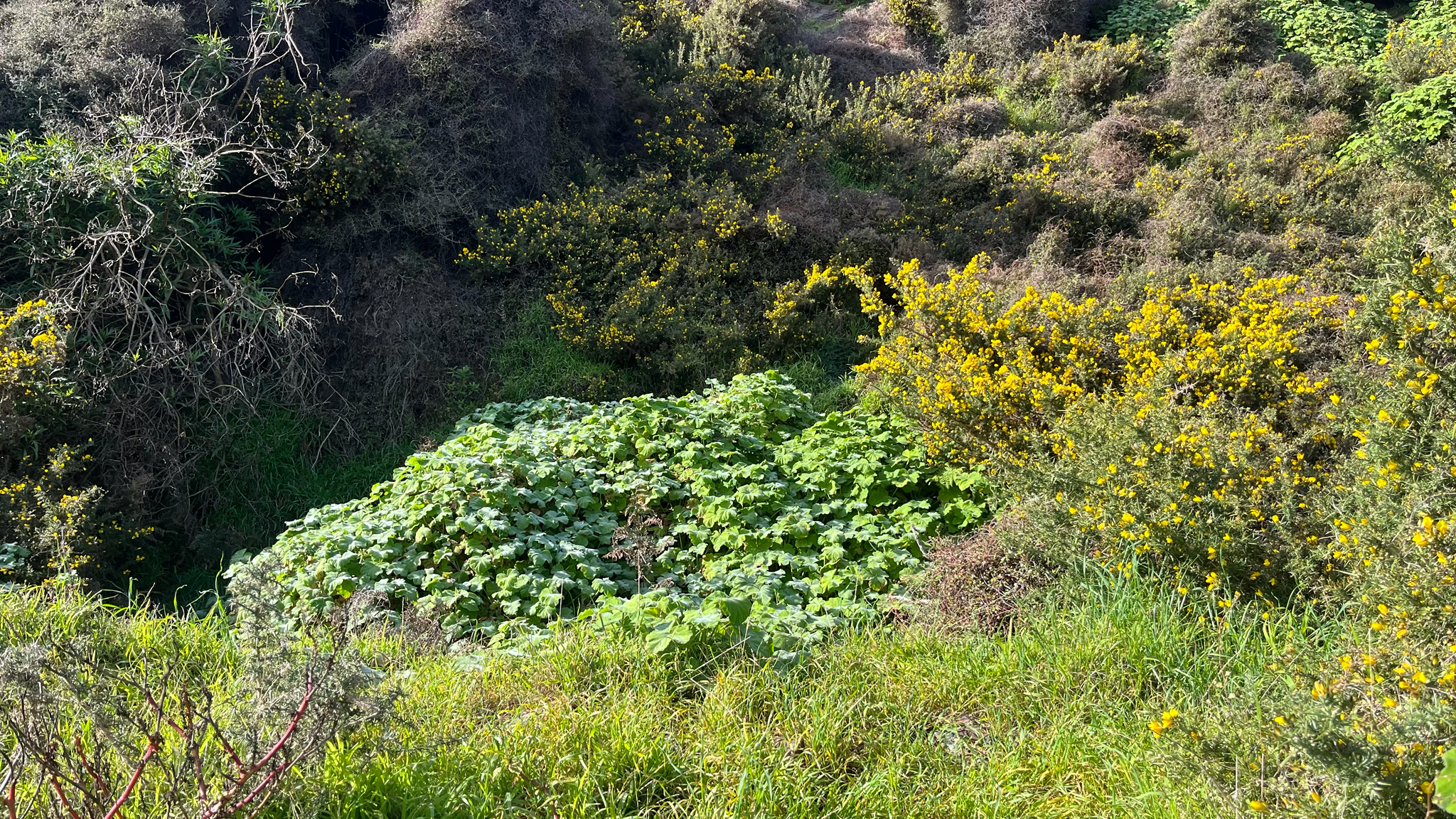
Pelargonium tomentosum is the peppermint geranium, a scented-leaved member of the Geraniaceae grown chiefly for its aromatic foliage rather than its flowers. It forms a spreading, bushy, evergreen plant with soft velvety leaves and only small clusters of tiny white blooms.
Source: RHS
From the Cape
This species belongs to the scented-leaved pelargonium group, evergreen shrubs or perennials prized for strongly aromatic foliage, and its natural range lies in South Africa's Cape region. It carries the RHS Award of Garden Merit and is grown as a conservatory, greenhouse or houseplant in cooler climates.
Source: RHS
Light, water, feed
Grown under glass, this pelargonium wants a peat-free compost, full light with shade from the hottest sun, and good ventilation around it. Water moderately while in growth, cut right back in winter, and feed with a balanced liquid fertiliser through spring and early summer, switching to a high-potash feed once flowers appear. It prefers well-drained, alkaline to neutral soil and a sheltered spot, and can go outside in frost-free areas.
Source: RHS
Softwood cuttings
Increase this plant from softwood cuttings taken in spring, late summer or early autumn.
Source: RHS
Velvet, heart-shaped, minty
The defining trait here is texture and scent: heart-shaped leaves up to 10cm wide, covered in a soft velvety down, releasing a peppermint fragrance when touched. The plant spreads to around 75cm, with a bushy habit and small clusters of tiny white flowers that are almost an afterthought against the foliage.
Source: RHS
Weevils, caterpillars, thrips
Watch for vine weevil, caterpillars and thrips on this species. Under glass it can also fall to grey mould, so ventilation matters as much as watering.
Source: RHS
Deadhead as routine
Regular deadheading keeps this pelargonium tidy, and it reaches its mature size over roughly two to five years.
Source: RHS
Care recipe
The species record — the baseline every cultivar inherits unless it says otherwise.
Care notes are early — not yet verified
- Light
- ai:claude-opus-4-8
- Water
- ai:claude-opus-4-8 (range 7-14d)
- Humidity
- ai:claude-opus-4-8
- Soil
- ai:claude-fable-5
- Care
- ai:claude-fable-5
Bright, indirect
≈ every 14 days
Medium
10–24 °C
Free-draining sandy potting mix with added grit
Softwood stem cuttings rooted in gritty mix
Dilute balanced feed monthly in spring and summer
Moderate
Small mauve blooms occasionally indoors; grown mainly for velvety scented leaves
Toxic to cats & dogs
Geranium — geraniol + linalool; vomiting, anorexia, depression, dermatitis. This is where toxicity lives: every cultivar of this species inherits it and none can override it.
Reference images
Every image credited. Licenses link to their deeds.
Sources: ai:claude-opus-4-8 · ai:claude-opus-4-8 (range 7-14d) · ai:claude-fable-5 · ASPCA
Kept true by its growers
Every fact here carries its source. Grow Peppermint-Scented Geranium yourself? What you’ve observed — how it drinks, how it holds its color, a name that’s off — and a clear photo of your plant are exactly what keep this page honest. Contributions are reviewed before anything changes.
Sign in to add what you know →