Species · genus Pelargonium · Geraniaceae
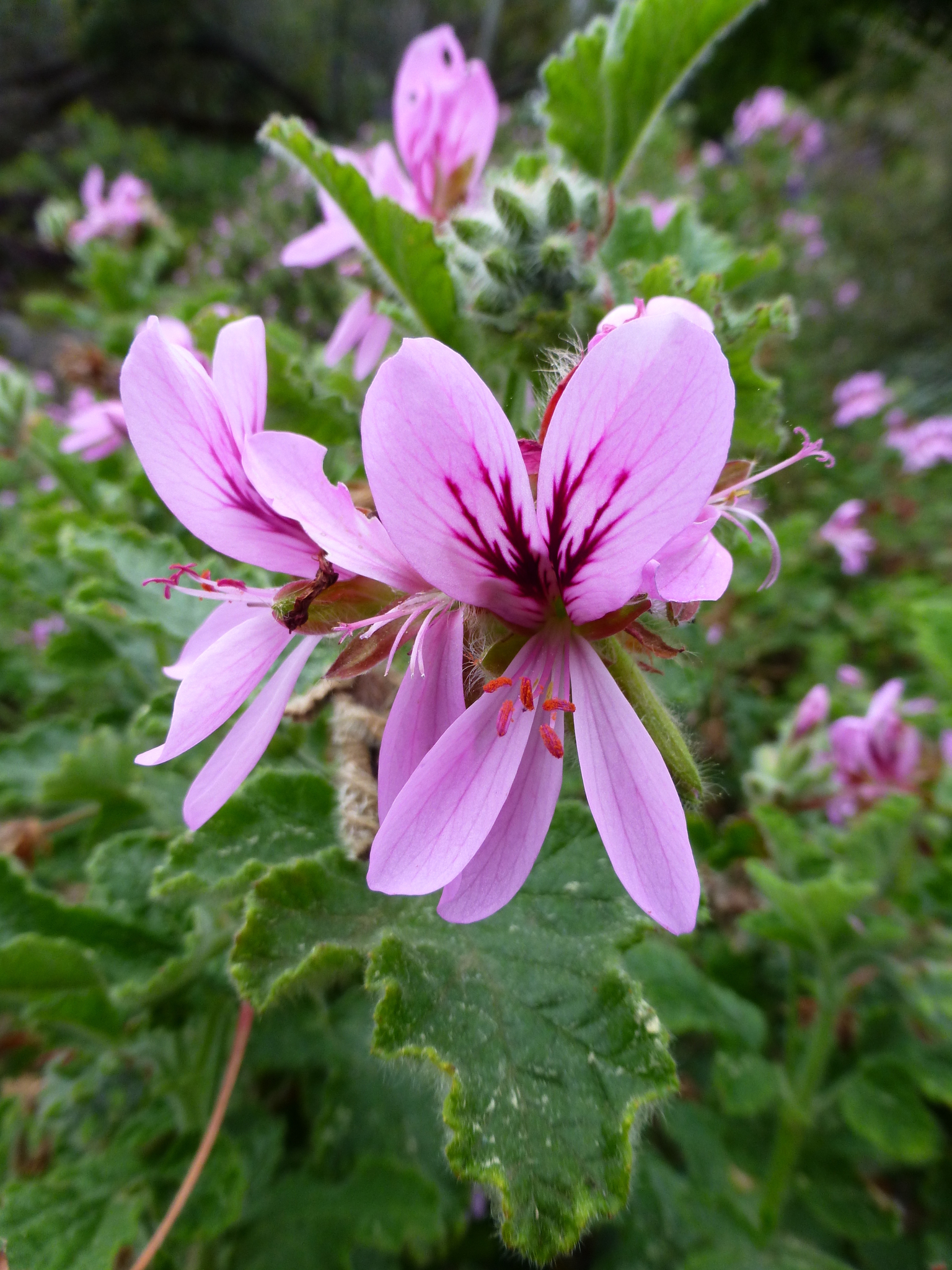
Oakleaf Garden Geranium
Pelargonium panduriforme Eckl. & Zeyh.
Also known as: Balsam-scented Geranium · Fiddle Storksbill · Fiddle-leaved Pelargonium · Oak-leaved Geranium
Cultivars of P. panduriforme
The named forms growers keep — each with its own page, each honest about how much we know.
No named cultivars catalogued under P. panduriforme yet. When growers document a stable, named form, it earns its own page here.
Guide
The species-level account. Cultivar pages build on this and say where they differ.
Sun-loving summer favourites
Pelargoniums, often called tender geraniums, are evergreen half-hardy perennials and shrubs grown for their vivid flower clusters and, in many cases, aromatic foliage. They are long-standing favourites for containers, hanging baskets and summer bedding alike, and on a bright windowsill or in a heated conservatory they can carry on flowering for much of the year.
Source: RHS
A far-flung native range
The genus Pelargonium is native across a wide sweep of the world, from St Helena and Madagascar through southern and eastern Africa to Türkiye, the Arabian Peninsula, northern Thailand, and on to Australia and New Zealand. It has since been introduced far beyond that range, including into Britain and Ireland. The genus was first published in 1789, and today it holds close to 300 accepted species.
Source: Kew
Sun, restraint, and feeding
Give pelargoniums a warm, sunny spot and free-draining, even stony soil or open compost, though regal types prefer some partial shade. Water moderately from spring to summer, letting the compost avoid becoming too wet, then water only sparingly in winter so it can dry between times. Feed with a balanced liquid fertiliser every 10 to 14 days in spring, switching to a potassium-rich feed such as tomato feed once flowering begins, and taper off through autumn and winter.
Source: RHS
By seed or cuttings
Zonal seed-raised types and species such as Pelargonium odoratissimum can be grown from seed sown in late winter under protection, such as a heated greenhouse. More commonly, plants are increased by taking softwood cuttings from spring through to autumn.
Source: RHS
Zonal, regal, angel, ivy, scented
There is real variety within the genus. Zonal types are upright and bushy, often with purple or maroon zoning on the leaves and single or double flowers in red, salmon, pink or white. Regal and Angel types carry showier, ruffled or pansy-like blooms, ivy-leaved types trail with stiff, fleshy foliage suited to hanging baskets, and scented-leaved types offer aromatic, often lobed or variegated leaves in place of flower power.
Source: RHS
Sap-suckers and root pests
Watch for sap-sucking insects such as thrips, which can also spread viruses on pruning or propagating tools. Container-grown roots are prone to vine weevil larvae, and plants can also be troubled by leafhopper, root mealybug and whitefly.
Source: RHS
Damp air and disease
Poor air circulation combined with damp conditions favours grey mould and rust, so it helps to keep windows or vents open for airflow, especially under glass. Dense clusters of distorted leafy shoots near ground level point to leafy gall, while sap-borne viruses can also affect plants.
Source: RHS
Pinching, deadheading, overwintering
Pinch back shoot tips in spring or early summer to encourage bushy branching, and deadhead regularly to keep flowers coming. Being frost-tender, plants need protection over winter: take softwood cuttings in late summer to overwinter on a light windowsill, keep whole plants under glass in a frost-free spot, or, for tough woody types, lift and dry them bare-rooted before storing wrapped in a frost-free place. Whichever method is used, water sparingly through the dormant months and resume feeding and hardening off once spring growth begins.
Source: RHS
Care recipe
The species record — the baseline every cultivar inherits unless it says otherwise.
Care notes are early — not yet verified
- Light
- ai:claude-opus-4-8
- Water
- ai:claude-opus-4-8 (range 9-16d)
- Humidity
- ai:claude-opus-4-8
- Soil
- ai:claude-fable-5
- Care
- ai:claude-fable-5
Direct sun
≈ every 16 days
Low — average room
10–27 °C
Light, free-draining potting mix
Softwood stem cuttings
Balanced liquid feed every two weeks in the growing season
Moderate
Occasional blooms in bright light through the warm months
Toxic to cats & dogs
Geranium — geraniol + linalool; vomiting, anorexia, depression, dermatitis. This is where toxicity lives: every cultivar of this species inherits it and none can override it.
Reference images
Every image credited. Licenses link to their deeds.
Sources: ai:claude-opus-4-8 · ai:claude-opus-4-8 (range 9-16d) · ai:claude-fable-5 · ASPCA
Kept true by its growers
Every fact here carries its source. Grow Oakleaf Garden Geranium yourself? What you’ve observed — how it drinks, how it holds its color, a name that’s off — and a clear photo of your plant are exactly what keep this page honest. Contributions are reviewed before anything changes.
Sign in to add what you know →