Species · genus Pelargonium · Geraniaceae
Lemon-scent Pelargonium
Pelargonium citronellum J.J.A.van der Walt
Also known as: Citronella Pelargonium · Lemon-scented Pelargonium · Lemon-scented Storksbill · Lemonbalm Storksbill
Cultivars of P. citronellum
The named forms growers keep — each with its own page, each honest about how much we know.
No named cultivars catalogued under P. citronellum yet. When growers document a stable, named form, it earns its own page here.
Guide
The species-level account. Cultivar pages build on this and say where they differ.
A Lemon-Scented Pelargonium
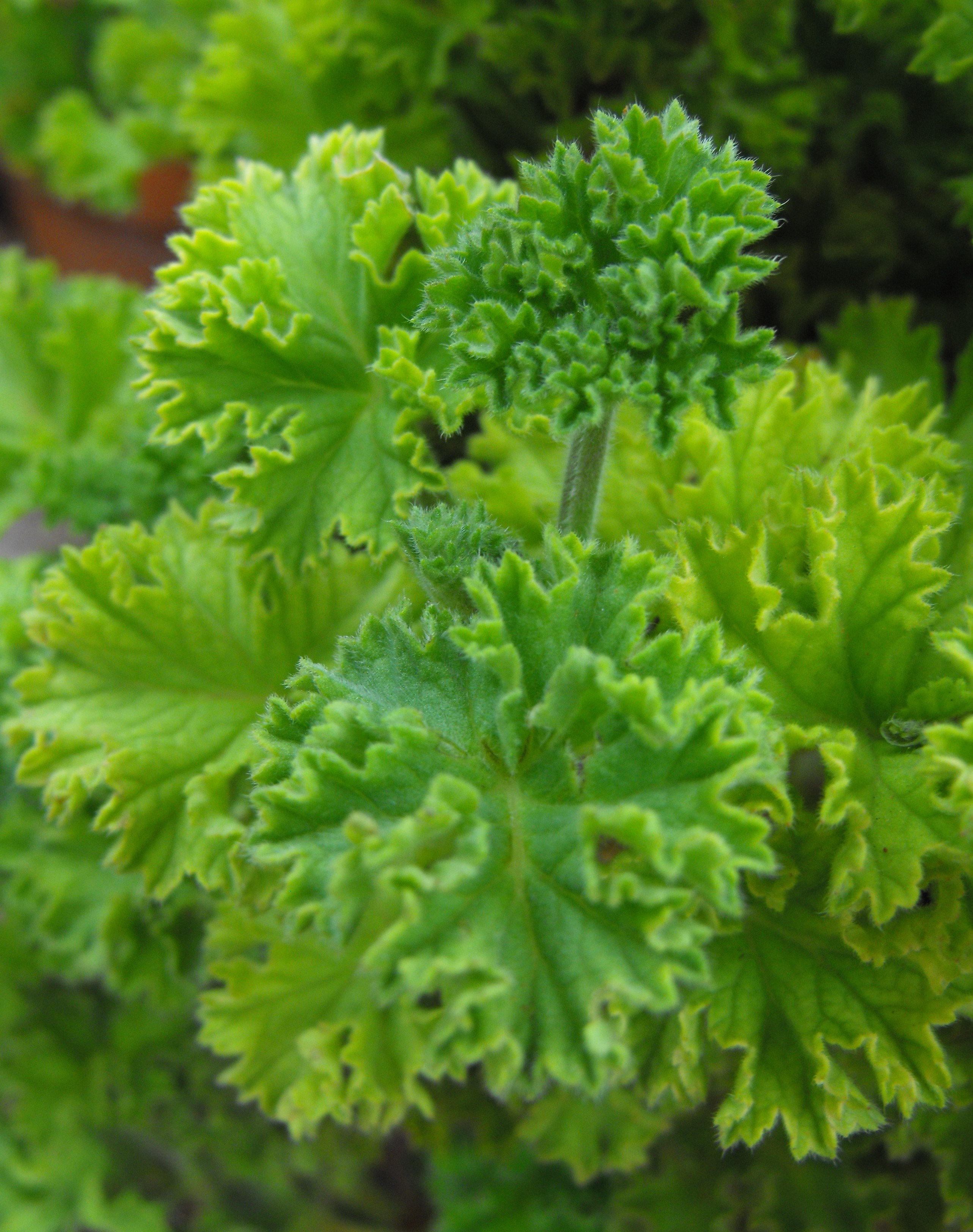
Pelargonium 'Citronella' is an evergreen, branching scented-leaf geranium grown chiefly for its foliage rather than its bloom. It forms a bushy shrub with small, rounded, toothed leaves that carry a strong lemon scent, and it produces modest clusters of pinkish-purple flowers through spring, summer, or autumn.
Source: RHS
A South African Lineage
Most Pelargonium species, including the citronellum group this cultivar draws its scent and name from, trace back to southern Africa, particularly the Mediterranean-climate region of the Western Cape. There they grow on rocky slopes, in grasslands, and along stream banks, adapted to hot dry summers and cool wet winters. Pelargoniums were carried to Europe in the 1700s by botanists and colonists, and scented types became prized as some of the earliest houseplants.
Source: Epic Gardening
Sun, Drainage, and Restraint
Give this plant full sun, ideally a south- or west-facing spot with some shelter, in neutral to alkaline soil that drains well; chalk, loam, or sandy mixes all suit it. It is not reliably hardy in the UK and needs frost-free, well-lit conditions over winter, so container growing with a seasonal move indoors makes sense outside the mildest gardens. Like other scented-leaf geraniums, it prefers to dry out somewhat between waterings and tolerates lean, unfussy soil without heavy feeding.
Source: RHS
Propagating By Cuttings
Increase this pelargonium by softwood cuttings, taken in spring, late summer, or autumn. Cuttings root readily and give a straightforward way to carry plants through winter or refresh an ageing specimen.
Source: RHS
Foliage Built For Scent
The plant's defining trait is its aromatic foliage: small, rounded, toothed-edged leaves that release a strong lemon fragrance when brushed or crushed, as tiny essential oil beads at the leaf base burst open. It grows as a bushy, evergreen shrub reaching roughly 1 to 1.5 metres tall, considerably taller than it is wide. Flowers, when they appear, are small and clustered in pinkish-purple.
Source: RHS
Watch For Sap Feeders
This pelargonium may attract glasshouse whitefly, caterpillars, glasshouse leafhopper, aphids, vine weevil, and root mealybugs. It is otherwise generally disease-free.
Source: RHS
Rot In Damp Conditions
Scented-leaf geraniums as a group resist pests and disease well, but stem and root rot can set in where conditions stay damp or plants are overwatered. Spider mites and aphids turn up more often on indoor or greenhouse specimens than outdoor ones. Growing in full sun with good air circulation and letting the soil dry between waterings keeps most of these problems at bay.
Source: Epic Gardening
Trim And Overwinter
Deadhead spent flowers and trim the plant as needed to keep its shape. Outdoor plants should be lifted, or propagated by cuttings, before frost and kept frost-free and well-lit over winter.
Source: RHS
Care recipe
The species record — the baseline every cultivar inherits unless it says otherwise.
Care notes are early — not yet verified
- Light
- ai:claude-opus-4-8
- Water
- ai:claude-opus-4-8 (range 7-14d)
- Humidity
- ai:claude-opus-4-8
- Soil
- ai:claude-fable-5
- Care
- ai:claude-fable-5
Direct sun
≈ every 14 days
Low — average room
10–27 °C
Light, free-draining potting mix
Softwood stem cuttings
Balanced liquid feed every two weeks in spring and summer
Moderate
Pale pink blooms in the warm months in bright light
Toxic to cats & dogs
Geranium — geraniol + linalool; vomiting, anorexia, depression, dermatitis. This is where toxicity lives: every cultivar of this species inherits it and none can override it.
Reference images
Every image credited. Licenses link to their deeds.
PrimarySources: ai:claude-opus-4-8 · ai:claude-opus-4-8 (range 7-14d) · ai:claude-fable-5 · ASPCA
Kept true by its growers
Every fact here carries its source. Grow Lemon-scent Pelargonium yourself? What you’ve observed — how it drinks, how it holds its color, a name that’s off — and a clear photo of your plant are exactly what keep this page honest. Contributions are reviewed before anything changes.
Sign in to add what you know →