Species · genus Opuntia · Cactaceae
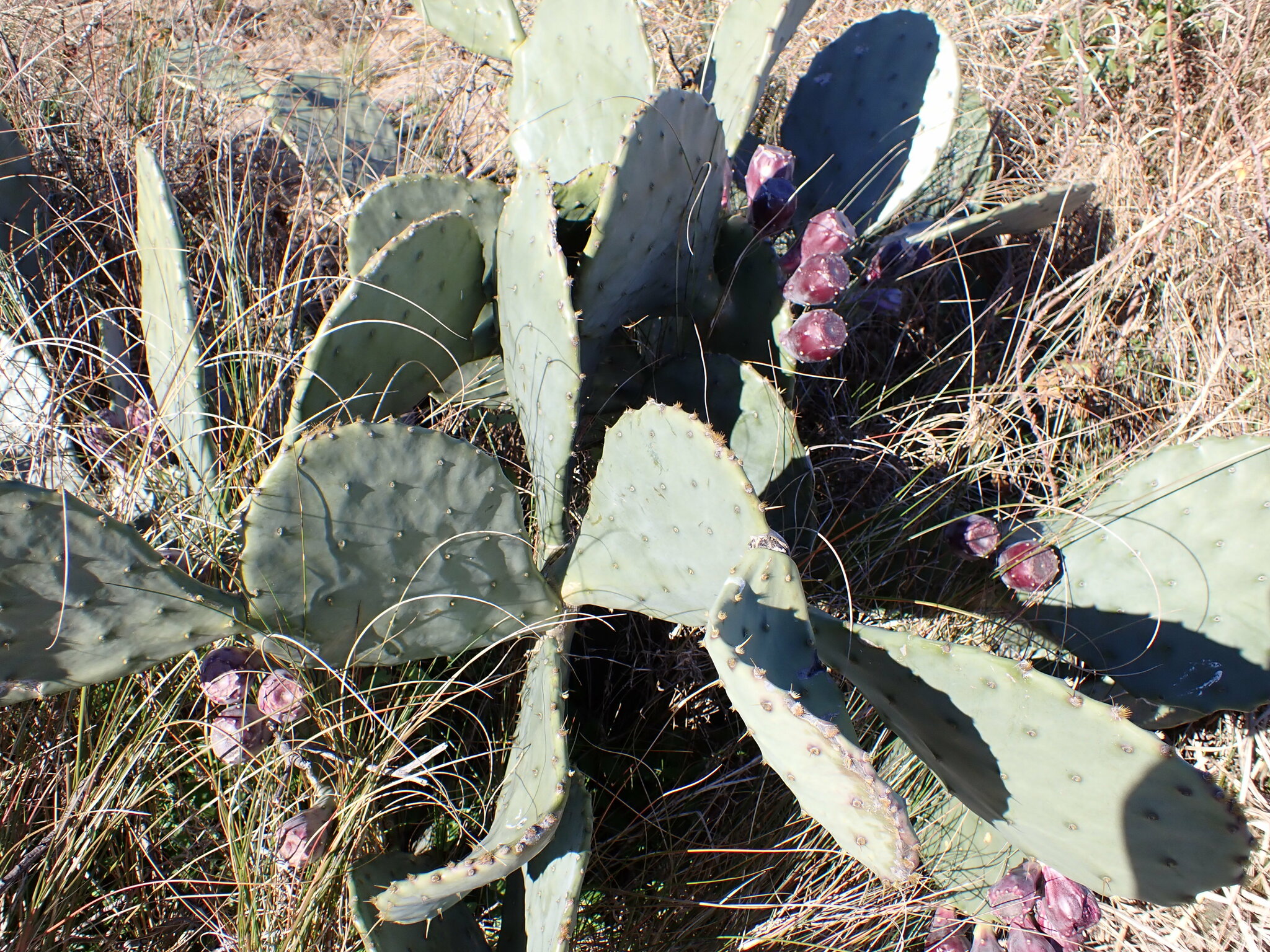
Carolina Prickly-pear Cactus
Opuntia tunoidea Gibbes
Cultivars of O. tunoidea
The named forms growers keep — each with its own page, each honest about how much we know.
No named cultivars catalogued under O. tunoidea yet. When growers document a stable, named form, it earns its own page here.
Guide
The species-level account. Cultivar pages build on this and say where they differ.
A Many-Spined Prickly Pear
Opuntia polyacantha, also called the many-spined prickly pear or Heacock's prickly pear, is a spreading perennial cactus grown for its flattened, pad-like stem segments and summer flowers. It belongs to the Cactaceae family, the same group of creeping, bushy or tree-like cacti known for their spiny, fleshy fruits.
Source: RHS
A North American Native
This species is native to Canada, the USA and Mexico. In cultivation it is classed as hardy only to H1C, meaning in the UK it can be stood outside in summer but needs protection from real cold.
Source: RHS
Full Sun, Sharp Drainage
Grow it in full sun, in a sharply-draining, peat-free, loam-based compost with added sharp sand, or a proprietary cactus mix. During its spring-to-early-autumn growing period, let the compost dry out before watering and feed three or four times with a balanced liquid fertiliser. In winter dormancy, withhold both water and feed.
Source: RHS
Seed or Segment
Propagate by sowing seed in spring, or by rooting stem segments taken in summer. Because of the spines, handle the pads with folded newspaper rather than bare hands.
Source: RHS
Mats of Spiny Pads
The plant forms low mats up to 2 metres across, made of oval or circular, mid-green, flattened pads reaching some 40cm tall. Each areole carries woolly brown fibres, often alongside spines up to 5cm long. In summer it produces solitary yellow or magenta flowers up to 7.5cm wide at the pad tips.
Source: RHS
Scale and Mealybugs
This cactus can be susceptible to scale insects and mealybugs. Otherwise it is generally free of disease, though wet or poorly drained soil leaves it open to root rots.
Source: RHS
Little Pruning Needed
No pruning is required for this species. Its main seasonal care is the winter rest, when watering and feeding are withheld while the plant is dormant.
Source: RHS
Care recipe
The species record — the baseline every cultivar inherits unless it says otherwise.
Care notes are early — not yet verified
- Light
- ai:claude-opus-4-8
- Water
- ai:claude-opus-4-8 (range 14-28d)
- Humidity
- ai:claude-opus-4-8
- Soil
- ai:claude-fable-5
- Care
- ai:claude-fable-5
Direct sun
≈ every 28 days
Low — average room
7–35 °C
Sharp, mineral-rich cactus mix that drains fast
Callus a cut pad and root in dry gritty mix
Sparing cactus feed during spring and summer
Slow
Yellow flowers with ample light; rarely blooms indoors
Not yet documented
This is where toxicity lives — every cultivar of this species inherits it and none can override it.
Reference images
Every image credited. Licenses link to their deeds.
PrimarySources: ai:claude-opus-4-8 · ai:claude-opus-4-8 (range 14-28d) · ai:claude-fable-5
Kept true by its growers
Every fact here carries its source. Grow Carolina Prickly-pear Cactus yourself? What you’ve observed — how it drinks, how it holds its color, a name that’s off — and a clear photo of your plant are exactly what keep this page honest. Contributions are reviewed before anything changes.
Sign in to add what you know →