Species · genus Opuntia · Cactaceae
Blind-cactus
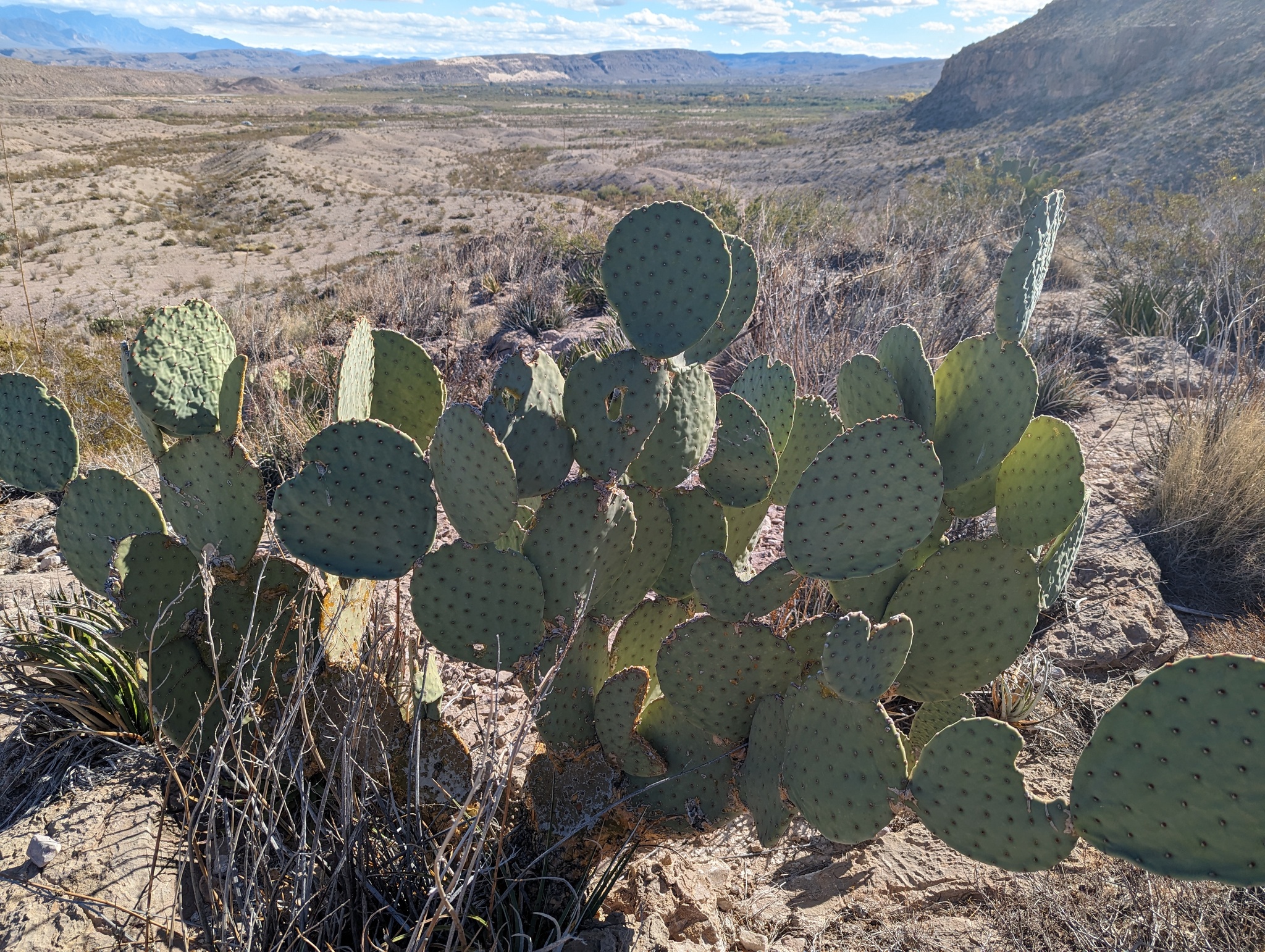
Opuntia rufida Engelm.
Also known as: Blind Pricklypear
Cultivars of O. rufida
The named forms growers keep — each with its own page, each honest about how much we know.
No named cultivars catalogued under O. rufida yet. When growers document a stable, named form, it earns its own page here.
Guide
The species-level account. Cultivar pages build on this and say where they differ.
The Bunny Ears Cactus
Opuntia microdasys is a true cactus, not a succulent in the looser sense, known for its paired, ear-shaped pads. It carries the friendly nickname bunny ears cactus, though its charm comes with a warning built right into its skin.
Source: Epic Gardening
A Mexican Desert Native
This cactus originates in the deserts of Mexico, which explains its need for a dry environment and its intolerance of cold, struggling below about 45°F (7°C). In milder desert climates it can go straight into the ground, while elsewhere it does better in a pot that can be moved indoors as seasons demand.
Source: Epic Gardening
Desert Rhythm Indoors
Give this cactus around six hours of light a day, full sun where possible, with a south-facing window if grown inside; in winter it prefers to sit back in indirect light and cooler temperatures near 50–65°F (10–18°C) while dormant. Water only once the soil has dried out completely, soaking thoroughly until it runs from the drainage holes, then holding off again during winter almost entirely. Plant it in a well-draining cactus mix, and feed sparingly from spring through fall with a diluted, low-nitrogen liquid fertilizer every other watering, stopping altogether in winter.
Source: Epic Gardening
Rooting From a Pad
Propagation works readily from pad cuttings taken with protective gear, twisting or cutting a pad of an inch or more free at its base. Let the cut end callous over before planting it upright, or laid flat if too large to stand, in well-draining soil kept lightly moist until roots take hold. A dip in rooting hormone can help, and once rooted, regular watering through the first year supports establishment.
Source: Epic Gardening
Fuzzy Pads, Sharp Secrets
The defining trait here is the areole, the small raised spot from which glochids emerge in polka-dot clusters across each pad. These hair-thin prickles look soft but detach easily, drifting on air or catching in skin, so the plant is best handled with gloves, tongs, or a folded layer of newspaper. Young pads start out reddish before greening with age, and mature plants can produce creamy yellow, bowl-shaped flowers followed by red or purple fruit.
Source: Epic Gardening
Scale and Mealybugs
Scale insects and their relative, mealybugs, are the main pests to watch for, both drawn to the warm, dry conditions cacti provide. Signs include withering, drooping, yellowing, stalled growth, or the white cottony residue mealybugs leave behind among the glochids. Ants often accompany an infestation, feeding on the honeydew scale insects produce, so both need addressing together with insecticidal soap, diluted rubbing alcohol, or neem oil.
Source: Epic Gardening
Drooping and Rot
A drooping, discolored cactus is the plant's universal stress signal, and the first thing to check is soil moisture, since both overwatering and underwatering cause it. Insufficient light can also cause drooping or stretched, leggy paddles reaching for a stronger source. Brown or black spots point to cosmetic but irreversible frost or sun damage, while stem and root rot, marked by discolored, slimy, mushy tissue, stems from excess moisture or bacterial infection and calls for pruning away affected parts and repotting into fresh, well-draining soil.
Source: Epic Gardening
Repotting and Pruning
This cactus grows slowly but spreads with time, so it typically needs repotting only every one to two years, ideally just after summer blooming, in a pot that leaves room to grow without being oversized. Pruning is optional and purely cosmetic, done with a sharp, sterilized knife, keeping the cut area dry until it callouses.
Source: Epic Gardening
Care recipe
The species record — the baseline every cultivar inherits unless it says otherwise.
Care notes are early — not yet verified
- Light
- ai:claude-opus-4-8
- Water
- ai:claude-opus-4-8 (range 14-30d)
- Humidity
- ai:claude-opus-4-8
- Soil
- ai:claude-fable-5
- Care
- ai:claude-fable-5
Direct sun
≈ every 30 days
Low — average room
7–35 °C
Sharp-draining cactus mix, high mineral content
Root a callused pad in dry gritty substrate
Sparse cactus feed in spring and summer only
Slow
Yellow-to-orange flowers with strong light; seldom indoors
Not yet documented
This is where toxicity lives — every cultivar of this species inherits it and none can override it.
Reference images
Every image credited. Licenses link to their deeds.
PrimarySources: ai:claude-opus-4-8 · ai:claude-opus-4-8 (range 14-30d) · ai:claude-fable-5
Kept true by its growers
Every fact here carries its source. Grow Blind-cactus yourself? What you’ve observed — how it drinks, how it holds its color, a name that’s off — and a clear photo of your plant are exactly what keep this page honest. Contributions are reviewed before anything changes.
Sign in to add what you know →