Species · genus Opuntia · Cactaceae
Angel's-wings
Opuntia microdasys (Lehm.) Pfeiff.
Also known as: Bunny-ears Prickly-pear · Golden-bristle · Golden-bristle Cactus · Yellow Bunny Ears · Bunny Ears Cactus
Cultivars of O. microdasys
The named forms growers keep — each with its own page, each honest about how much we know.
No named cultivars catalogued under O. microdasys yet. When growers document a stable, named form, it earns its own page here.
Guide
The species-level account. Cultivar pages build on this and say where they differ.
Meet the Bunny Ears Cactus
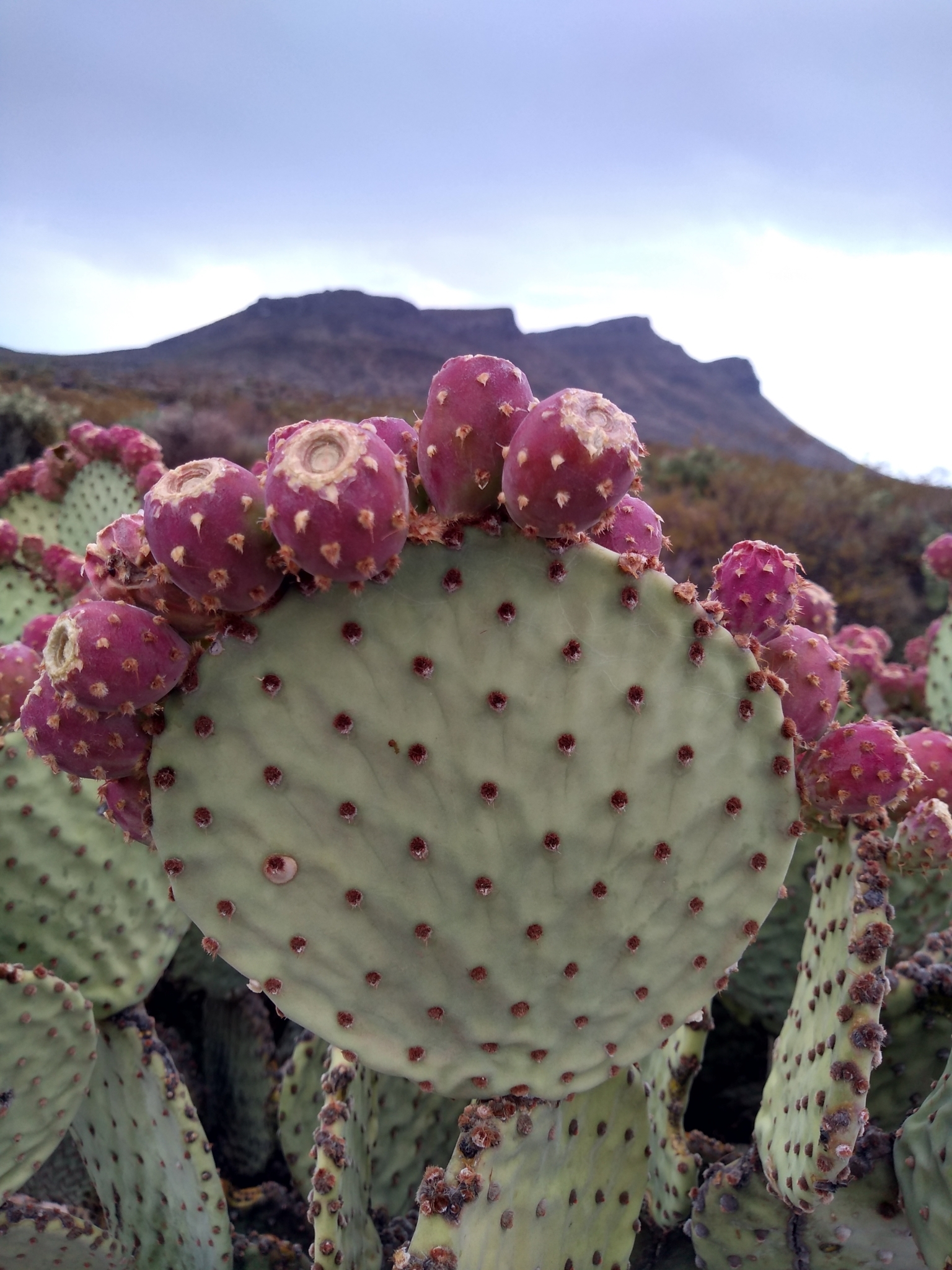
Opuntia microdasys, commonly called bunny ears cactus, is a true cactus grown for its paired, ear-like pads dotted with tufts of fine bristles. It starts out reddish and greens up as it matures, eventually producing creamy yellow, bowl-shaped flowers followed by red or purple fruit. Despite its soft, fuzzy look, it is armed with hair-thin glochids that call for careful handling.
Source: Epic Gardening
A Desert of Central Mexico
This cactus hails from central and northern Mexico, where it grows as a bushy, sun-baked desert shrub. In cultivation it has earned an RHS Award of Garden Merit, and it is also known under the synonym Opuntia macrocalyx.
Source: RHS
A Desert Rhythm Indoors
Give this cactus full sun and let the compost dry out fully before watering again through its spring-to-early-autumn growing season, then withhold both water and fertiliser once it turns dormant for winter. A sharply-draining, loam-based cactus compost with added sharp sand suits it well, and a balanced liquid feed three or four times over the growing months is enough. It prefers a sheltered spot facing south or west and does not tolerate being frozen.
Source: RHS
Rooting Pads and Seed
Propagation can be done from seed sown in spring, pre-soaked and kept around 21°C to germinate, or by rooting stem segments taken in summer. Whichever method, handle the pads with folded newspaper rather than bare hands to keep the spines at bay.
Source: RHS
Pads, Spots, and Varieties
The defining feature is the areole: a raised dot that in this species carries glochids rather than true spines, giving the pads their polka-dot look. Several varieties exist mainly distinguished by glochid colour and pad shape, from the cinnamon-toned Opuntia rufida to the white-tufted 'Angel Wings', the golden-dotted 'Polka Dot Cactus', and the twisted-padded 'Funny Bunny'. Left to its own devices the plant grows as a bushy shrub, reaching a few feet tall and wider still.
Source: Epic Gardening
Watch for Scale and Mealybugs
Scale insects and mealybugs are the main pests to watch for, both feeding on plant sap and favouring the same warm, dry conditions the cactus enjoys. Ants appearing on the plant are usually a clue that a scale infestation is already underway, since they feed on the honeydew scale insects leave behind. Left unchecked, an infestation can leave the plant withered, discoloured, and stalled in growth.
Source: Epic Gardening
Drooping, Rot, and Stretching
A drooping, discoloured pad is this cactus's stress signal for almost anything, so check soil moisture first, since both overwatering and underwatering cause the same soft, sagging look. Root and stem rot follow from soil that stays too wet or from bacterial infection, showing up as slimy, mushy, discoloured tissue that calls for cutting away the damage and repotting into fresh, well-drained soil. Insufficient light shows up differently, as pads stretch out thin in search of brighter conditions, while brown or black patches usually mark cosmetic, irreversible damage from frost or sunburn.
Source: Epic Gardening
Little Pruning Needed
This cactus asks for essentially no pruning. It is slow to reach maturity, generally taking ten to twenty years, so patience is part of the deal.
Source: RHS
Care recipe
The species record — the baseline every cultivar inherits unless it says otherwise.
Care notes are early — not yet verified
- Light
- ai:claude-opus-4-8
- Water
- ai:claude-opus-4-8 (range 14-30d)
- Humidity
- ai:claude-opus-4-8
- Soil
- ai:claude-fable-5
- Care
- ai:claude-fable-5
Direct sun
≈ every 30 days
Low — average room
10–30 °C
Fast-draining cactus mix with extra pumice or grit
Root a callused pad in dry mix (handle carefully — fine glochids)
Dilute low-nitrogen cactus feed once or twice in spring and summer
Slow
Rarely flowers indoors
Not yet documented
This is where toxicity lives — every cultivar of this species inherits it and none can override it.
Reference images
Every image credited. Licenses link to their deeds.
Sources: ai:claude-opus-4-8 · ai:claude-opus-4-8 (range 14-30d) · ai:claude-fable-5
Kept true by its growers
Every fact here carries its source. Grow Angel's-wings yourself? What you’ve observed — how it drinks, how it holds its color, a name that’s off — and a clear photo of your plant are exactly what keep this page honest. Contributions are reviewed before anything changes.
Sign in to add what you know →