Species · genus Opuntia · Cactaceae
Cochineal Cactus
Opuntia cochenillifera (L.) Mill.
Also known as: Cochineal Nopal Cactus · Cochineal-plant
Cultivars of O. cochenillifera
The named forms growers keep — each with its own page, each honest about how much we know.
No named cultivars catalogued under O. cochenillifera yet. When growers document a stable, named form, it earns its own page here.
Guide
The species-level account. Cultivar pages build on this and say where they differ.
A cactus with many names
Opuntia cochenillifera, also known as the cochineal cactus or cochineal plant, is a succulent tree in the cactus family Cactaceae. It has passed through several names over its history, having also been classified under Cactus and Nopalea before settling into Opuntia.
Source: Kew
A Mexican native, now widespread
This species is native to central, gulf, northeastern, southeastern and southwestern Mexico, where it grows in desert and dry shrubland settings. People have carried it far beyond that home range, and it is now recorded as introduced across a remarkable spread of places, from the Caribbean and parts of South America to India, Southeast Asia, and islands of the Pacific.
Source: Kew
A succulent tree habit
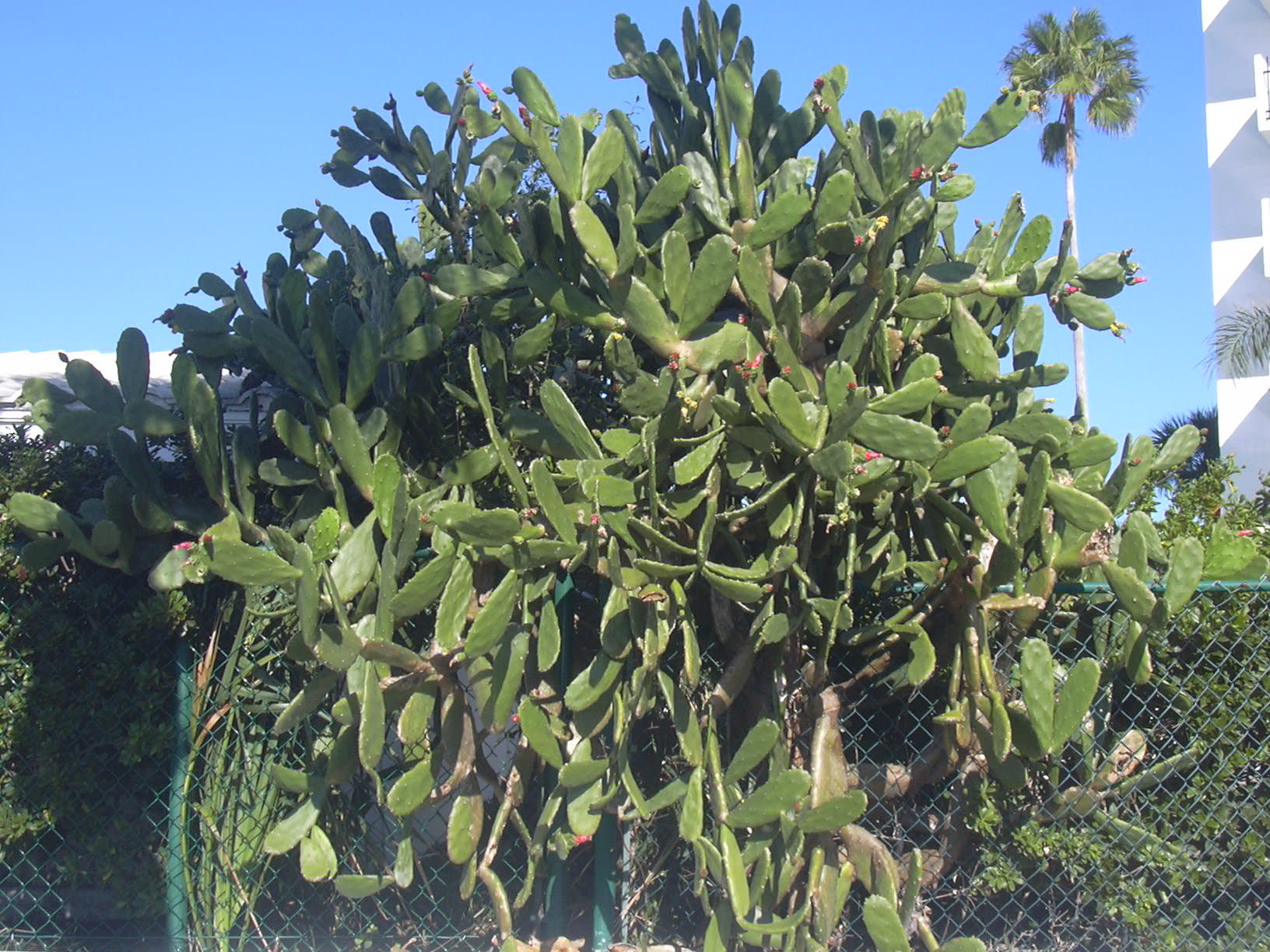
Unlike many of its low, sprawling relatives, this Opuntia grows with a tree-like habit rather than staying a compact pad-forming shrub. It belongs to a genus, Opuntia, that is native to the Americas and includes some 185 accepted species, so its tree form sets it apart within a group better known for flatter, paddle-shaped growth.
Source: Kew
Uses beyond the pot
Beyond ornamental growing, this species has a working history: it has served as animal fodder, as a medicine, as food for invertebrates, and as a food source for people. That range of uses is part of why it has been moved around the world and now turns up naturalised well outside its native Mexico.
Source: Kew
Care recipe
The species record — the baseline every cultivar inherits unless it says otherwise.
Care notes are early — not yet verified
- Light
- ai:claude-opus-4-8
- Water
- ai:claude-opus-4-8 (range 14-30d)
- Humidity
- ai:claude-opus-4-8
- Soil
- ai:claude-fable-5
- Care
- ai:claude-fable-5
Direct sun
≈ every 30 days
Low — average room
10–30 °C
Fast-draining cactus mix with extra pumice or coarse sand
Root a callused pad segment in dry mix
Dilute low-nitrogen cactus feed once or twice in spring and summer
Moderate
Rarely flowers indoors
Not yet documented
This is where toxicity lives — every cultivar of this species inherits it and none can override it.
Reference images
Every image credited. Licenses link to their deeds.
Sources: ai:claude-opus-4-8 · ai:claude-opus-4-8 (range 14-30d) · ai:claude-fable-5
Kept true by its growers
Every fact here carries its source. Grow Cochineal Cactus yourself? What you’ve observed — how it drinks, how it holds its color, a name that’s off — and a clear photo of your plant are exactly what keep this page honest. Contributions are reviewed before anything changes.
Sign in to add what you know →