Species · genus Ophiopogon · Asparagaceae
Dwarf Lilyturf
Ophiopogon japonicus (Thunb.) Ker Gawl.
Also known as: Mondo Grass · Ophiopogon · Snake's-beard · Dwarf Lily-turf · Lily Turf Grass
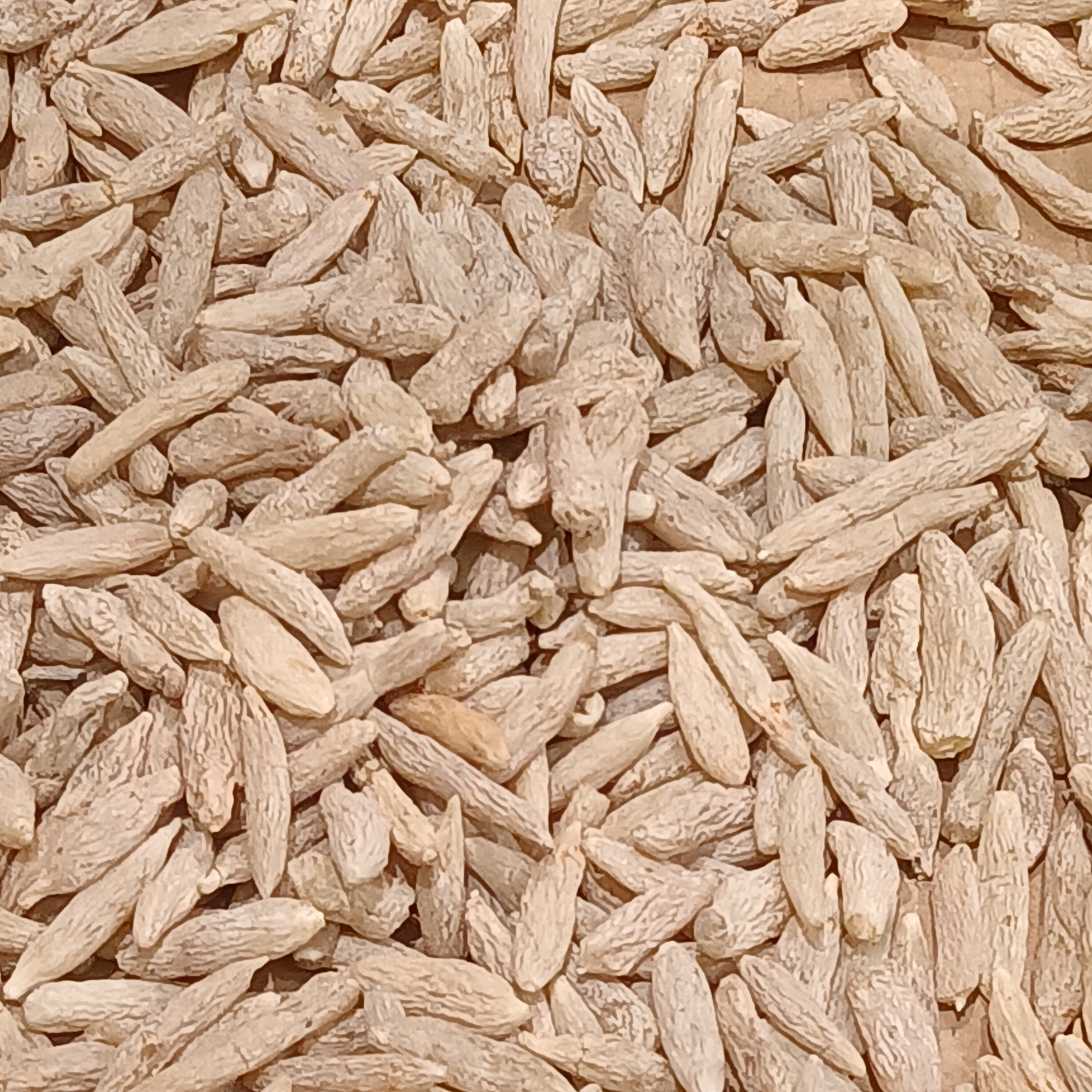
Cultivars of O. japonicus
The named forms growers keep — each with its own page, each honest about how much we know.
No named cultivars catalogued under O. japonicus yet. When growers document a stable, named form, it earns its own page here.
Guide
The species-level account. Cultivar pages build on this and say where they differ.
An Evergreen Ground Cover
Ophiopogon japonicus, known as mondo grass or dwarf lilyturf, is an evergreen ground cover with narrow, strap-shaped leaves that only resembles a grass. It actually belongs to the lily family, and its relatives include the darker black mondo grass, a cousin often mistaken for the same plant.
Source: Epic Gardening
Roots in East Asia
This plant traces back to Japan, China, and Korea, where it has long served as a traditional ground cover in Japanese gardens. Its slow, rhizomatous spread and shade tolerance made it a natural fit for woodland-style plantings there before it traveled into wider cultivation.
Source: Missouri Botanical Garden
Shade, Moisture, Patience
This plant is happiest in part shade to full shade with rich, humusy, slightly acidic soil kept evenly moist, though it will also tolerate full sun and drought once established. It asks little in the way of feeding, and its rhizomes spread gradually, meaning a mature ground cover takes time to fill in rather than rushing.
Source: Missouri Botanical Garden
Division Over Seed
The simplest way to propagate mondo grass is by division in early spring: dig up a clump, tease the roots apart into sections, and replant with about four inches between each. Growing from seed is possible but slow, since this is an unhurried plant even at the best of times.
Source: Epic Gardening
Grass-Like Clumps and Berries
Mondo grass forms arching clumps of dark green, narrow leaves, each reaching several inches in length, with a texture finer than its lookalike liriope. In summer it sends up short racemes of small white to lilac bell-shaped flowers, mostly tucked beneath the foliage, which later give way to round blue-black berries.
Source: Missouri Botanical Garden
Slugs and Snails Mostly
Mondo grass shrugs off deer and rabbits, but slugs and snails will chew holes in the leaves and leave them wilted-looking. Organic iron phosphate baits are the recommended response, and keeping chickens nearby does not hurt either.
Source: Epic Gardening
Overwatering and Heat Stress
Because this plant is naturally drought-tolerant, it is more often harmed by overwatering than underwatering, and soggy soil invites pythium root rot, seen as browning, mushy growth at the base. Reflected heat from walls and pavement can also stress it in summer, so a partly shaded spot and consistently moist (not soaked) soil during hot weather helps it cope. Fungal issues like anthracnose can appear in cold, wet, humid spring conditions, showing up as leaf spots, curling, or leaf drop, and good air circulation is the main preventive measure.
Source: Epic Gardening
Little Pruning Needed
Once mature, mondo grass puts its energy into roots and flowers rather than new top growth, so pruning is rarely necessary beyond removing dead or damaged foliage. It tolerates light foot traffic and never needs mowing, and Missouri Botanical Garden notes only that winter hardiness can be a concern in colder parts of its growing range.
Source: Missouri Botanical Garden
Care recipe
The species record — the baseline every cultivar inherits unless it says otherwise.
Care notes are early — not yet verified
- Light
- ai:claude-opus-4-8
- Water
- ai:claude-opus-4-8 (range 7-14d)
- Humidity
- ai:claude-opus-4-8
- Soil
- ai:claude-fable-5
- Care
- ai:claude-fable-5
Medium light
≈ every 14 days
Medium
5–24 °C
Well-draining, humus-rich mix; tolerant of most soils
Division of the spreading clumps
Light balanced feed once or twice in the growing season
Slow
Small pale lilac to white flowers in summer, uncommon indoors
Not yet documented
This is where toxicity lives — every cultivar of this species inherits it and none can override it.
Reference images
Every image credited. Licenses link to their deeds.
PrimarySources: ai:claude-opus-4-8 · ai:claude-opus-4-8 (range 7-14d) · ai:claude-fable-5
Kept true by its growers
Every fact here carries its source. Grow Dwarf Lilyturf yourself? What you’ve observed — how it drinks, how it holds its color, a name that’s off — and a clear photo of your plant are exactly what keep this page honest. Contributions are reviewed before anything changes.
Sign in to add what you know →