Species · genus Ophiopogon · Asparagaceae
Lilyturf
Ophiopogon jaburan (Siebold) G.Lodd.
Also known as: White Lilyturf · White Lily-turf · Wild Lilyturf
Cultivars of O. jaburan
The named forms growers keep — each with its own page, each honest about how much we know.
No named cultivars catalogued under O. jaburan yet. When growers document a stable, named form, it earns its own page here.
Guide
The species-level account. Cultivar pages build on this and say where they differ.
A striped snake's beard
Ophiopogon jaburan 'Vittatus' is an evergreen perennial grown for its tufted, grass-like foliage rather than for flowers alone. It belongs to the same family as many familiar garden lilies, though its habit is low and clump-forming.
Source: RHS
A Japanese species
The species Ophiopogon jaburan comes from Japan, and this variegated form is a selected cultivar of it, also known as 'Variegatus'. In the wider garden trade it is sometimes still listed under the older name Convallaria japonica.
Source: RHS
Tolerant but particular
This plant copes with a range of soils, including clay, loam and sand, and can take full sun, partial shade or full shade. It does best, though, in rich, moist but well-drained, slightly acid soil in light shade. In colder areas it may need winter protection, as it is rated only hardy to about -5 to 1°C.
Source: RHS
Division or seed
Increase your stock by division in spring, just as growth resumes, or by sowing seed as soon as it ripens.
Source: RHS
Striped strap leaves
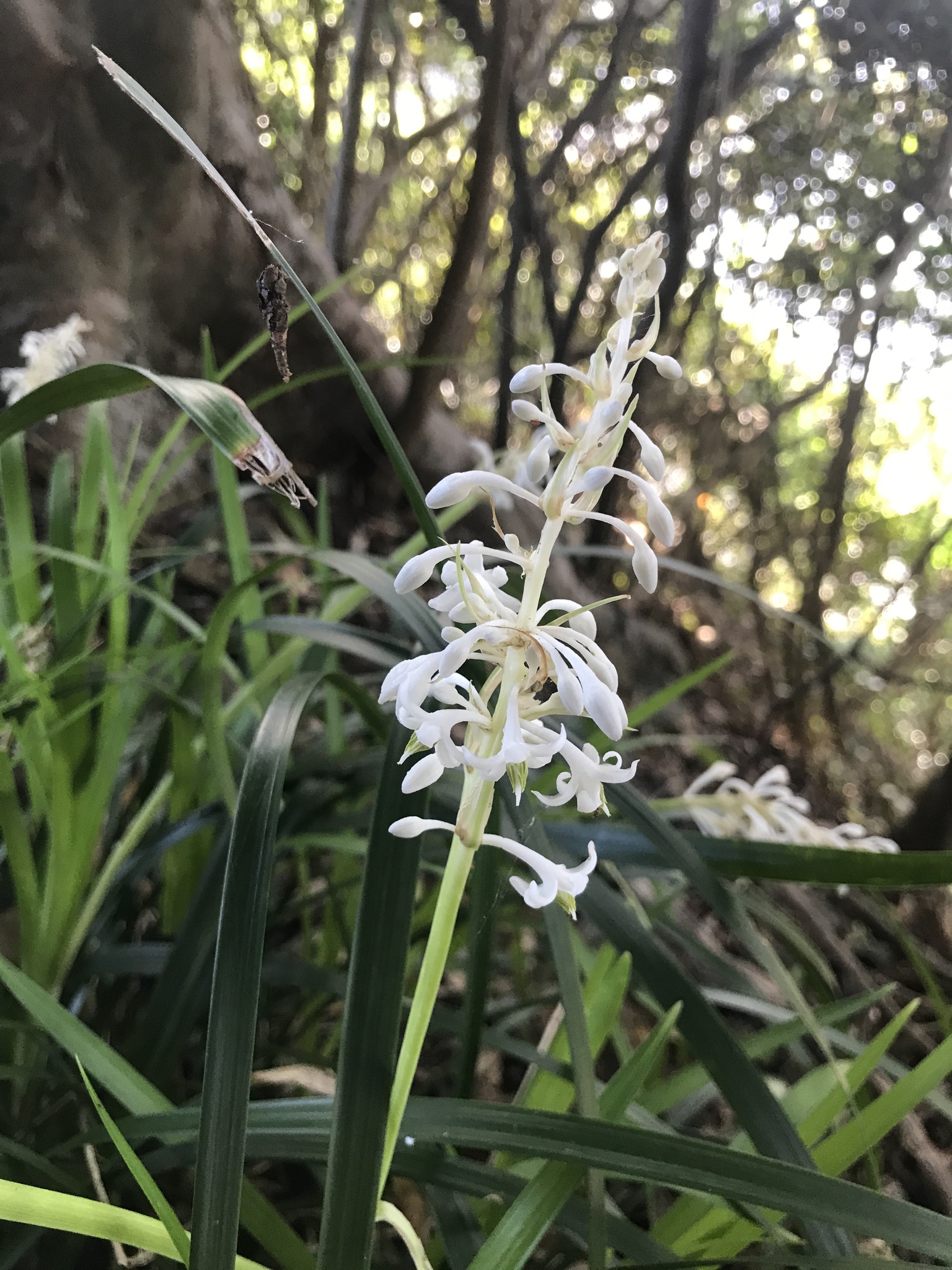
Its leathery, strap-shaped leaves grow in tufts up to 60cm long, pale green and striped or margined with yellow or white. In summer, upright stems carry clusters of small, bell-shaped white flowers, followed later by bluish-purple berries. The clump-forming, tufted habit stays evergreen through the year.
Source: RHS
Watch for slugs
The main pest concern here is slug damage, otherwise this plant is generally free of disease.
Source: RHS
Little upkeep needed
No routine pruning is required. Simply comb or rake out dead leaves in spring to keep the clump tidy.
Source: RHS
Care recipe
The species record — the baseline every cultivar inherits unless it says otherwise.
Care notes are early — not yet verified
- Light
- ai:claude-opus-4-8
- Water
- ai:claude-opus-4-8 (range 7-12d)
- Humidity
- ai:claude-opus-4-8
- Soil
- ai:claude-fable-5
- Care
- ai:claude-fable-5
Medium light
≈ every 12 days
Medium
10–24 °C
Fertile, well-draining mix that holds a little moisture
Division of established clumps
Balanced feed once or twice in spring and summer
Slow
Small white bells on short spikes in summer, sparse indoors
Not yet documented
This is where toxicity lives — every cultivar of this species inherits it and none can override it.
Reference images
Every image credited. Licenses link to their deeds.
PrimarySources: ai:claude-opus-4-8 · ai:claude-opus-4-8 (range 7-12d) · ai:claude-fable-5
Kept true by its growers
Every fact here carries its source. Grow Lilyturf yourself? What you’ve observed — how it drinks, how it holds its color, a name that’s off — and a clear photo of your plant are exactly what keep this page honest. Contributions are reviewed before anything changes.
Sign in to add what you know →