Species · genus Nerium · Apocynaceae
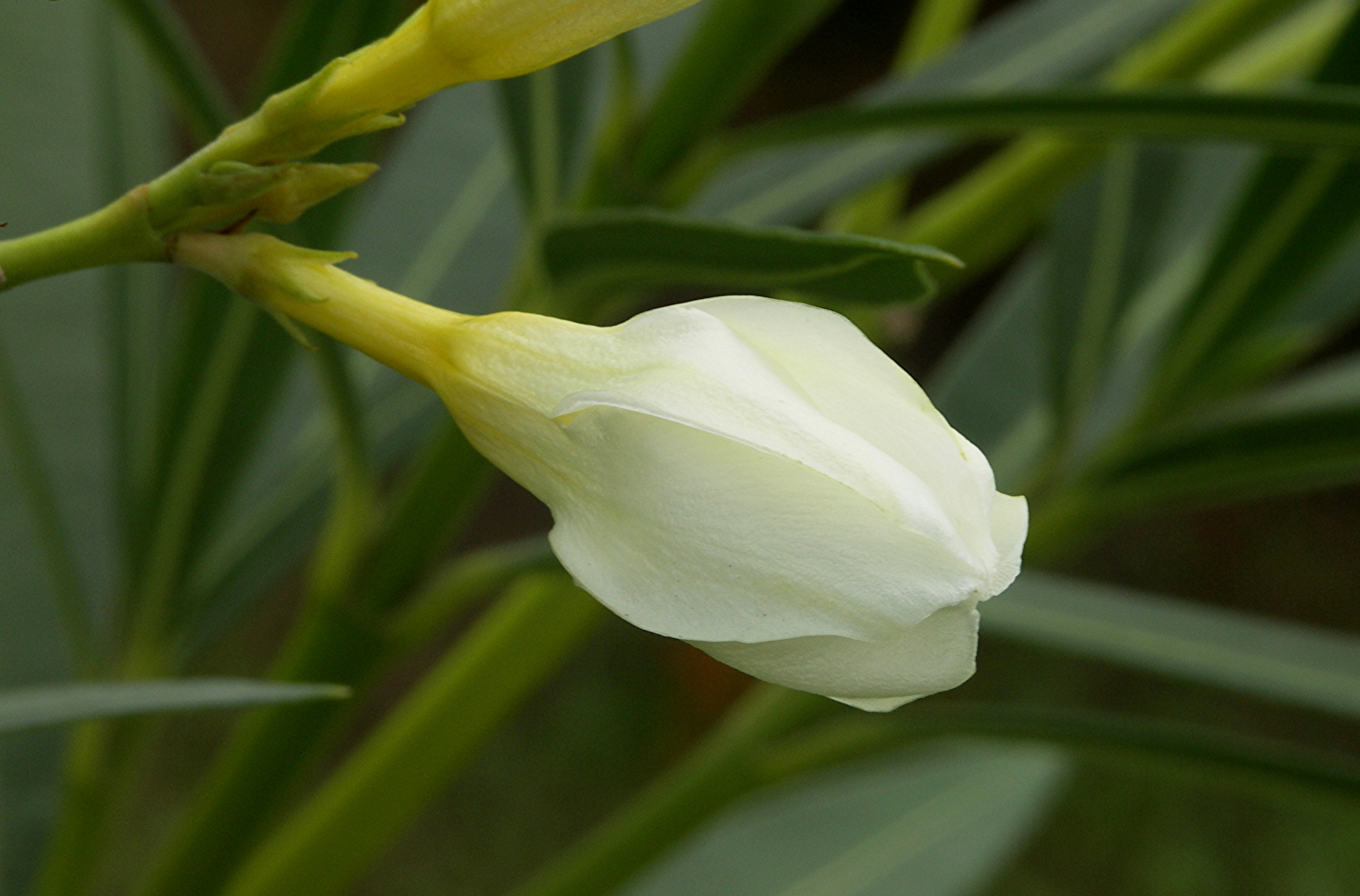
Oleander
Nerium oleander L.
Also known as: Rose Laurel · Rose Bay · Ceylone Rose · Ceylonrose · Ceylons Rose
Cultivars of N. oleander
The named forms growers keep — each with its own page, each honest about how much we know.
No named cultivars catalogued under N. oleander yet. When growers document a stable, named form, it earns its own page here.
Guide
The species-level account. Cultivar pages build on this and say where they differ.
Nerium oleander is a tough, sun-loving woody shrub in the Apocynaceae family, well adapted to warm, dry conditions and gritty, fast-draining soil. Give it a bright spot with as much direct sun as you can offer, and let the top inch or two of mix dry before watering again. It tolerates drought far better than sitting wet, so water deeply but infrequently and never let the pot stand in water.
Care recipe
The species record — the baseline every cultivar inherits unless it says otherwise.
Care notes are early — not yet verified
- Light
- ai:claude-opus-4-8
- Water
- ai:claude-opus-4-8 (range 7-14d)
- Humidity
- ai:claude-opus-4-8
Direct sun
≈ every 14 days
Low — average room
Not documented
Not documented
Not documented
Not documented
Not documented
Not documented
Toxic to cats & dogs & humans & horses
Apocynaceae contain cardiac glycosides; all parts are highly poisonous if ingested and the sap can irritate skin. This is where toxicity lives: every cultivar of this species inherits it and none can override it.
Reference images
Every image credited. Licenses link to their deeds.
Sources: ai:claude-opus-4-8 · ai:claude-opus-4-8 (range 7-14d) · ai:claude-opus-4-8 (family inference)
Kept true by its growers
Every fact here carries its source. Grow Oleander yourself? What you’ve observed — how it drinks, how it holds its color, a name that’s off — and a clear photo of your plant are exactly what keep this page honest. Contributions are reviewed before anything changes.
Sign in to add what you know →