Species · genus Nephrolepis · Nephrolepidaceae
Sword Fern
Nephrolepis exaltata (L.) Schott
Also known as: Boston Fern · Boston Sword Fern · Boston Swordfern · Fishbone Fern · Niʻaniʻau
Cultivars of N. exaltata
The named forms growers keep — each with its own page, each honest about how much we know.
No named cultivars catalogued under N. exaltata yet. When growers document a stable, named form, it earns its own page here.
Guide
The species-level account. Cultivar pages build on this and say where they differ.
The Boston Fern
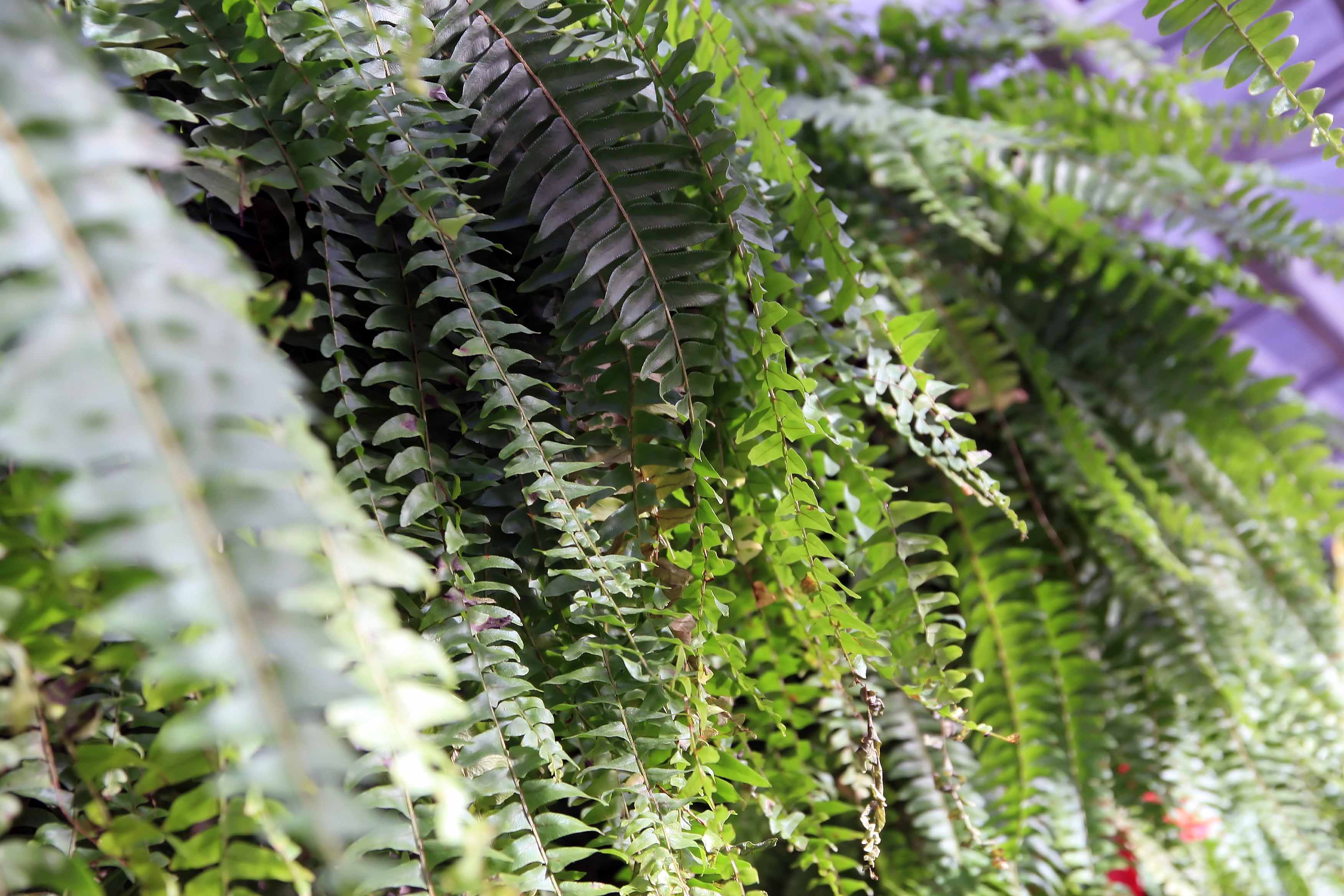
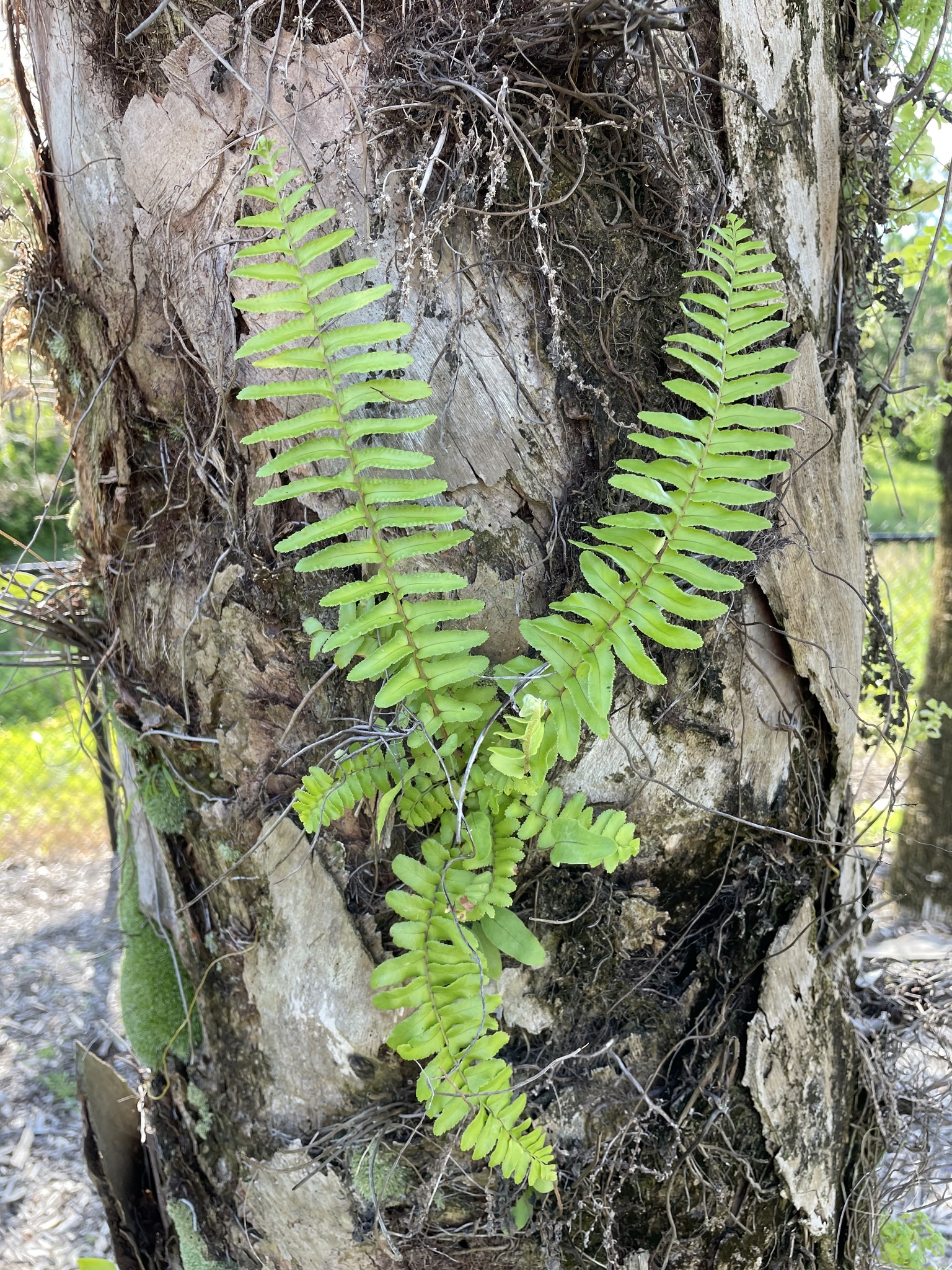
Nephrolepis exaltata, known widely as the Boston fern, is a true fern with lush, arching fronds that grow in a rosette habit. It is one of the most familiar parlor and hanging-basket plants, valued for its soft, feathery cascade of foliage and its long history as an easygoing houseplant.
Source: Epic Gardening
A Name From Boston
This fern's wild relatives range across a broad pantropical belt, native to Florida, the West Indies, Mexico, Central and South America, Polynesia, and Africa. The familiar 'Bostoniensis' cultivar has a more specific story: it turned up in 1894 within a shipment sent from a Philadelphia grower to a Boston distributor, and the name stuck ever since.
Source: Missouri Botanical Garden
Light, Water, and Humidity
Grow this fern in bright, filtered or indirect light rather than direct sun, and keep the soil evenly moist through the growing season, easing off slightly in winter. It prefers moderate to high humidity and good air movement, and benefits from a half-strength balanced liquid feed once a month while actively growing. Fronds can rot if they stay too wet, so water is best applied at soil level with attentive drainage.
Source: RHS
Runners, Division, and Spores
The most reliable methods are working with runners, called stolons, which extend from a mature plant and gradually root, or dividing an established root ball with a serrated knife once the soil has been allowed to dry somewhat. Spores are technically viable but difficult to raise into new plants, making runners and division the practical routes for the home grower.
Source: Epic Gardening
Sword-Shaped, Arching Fronds
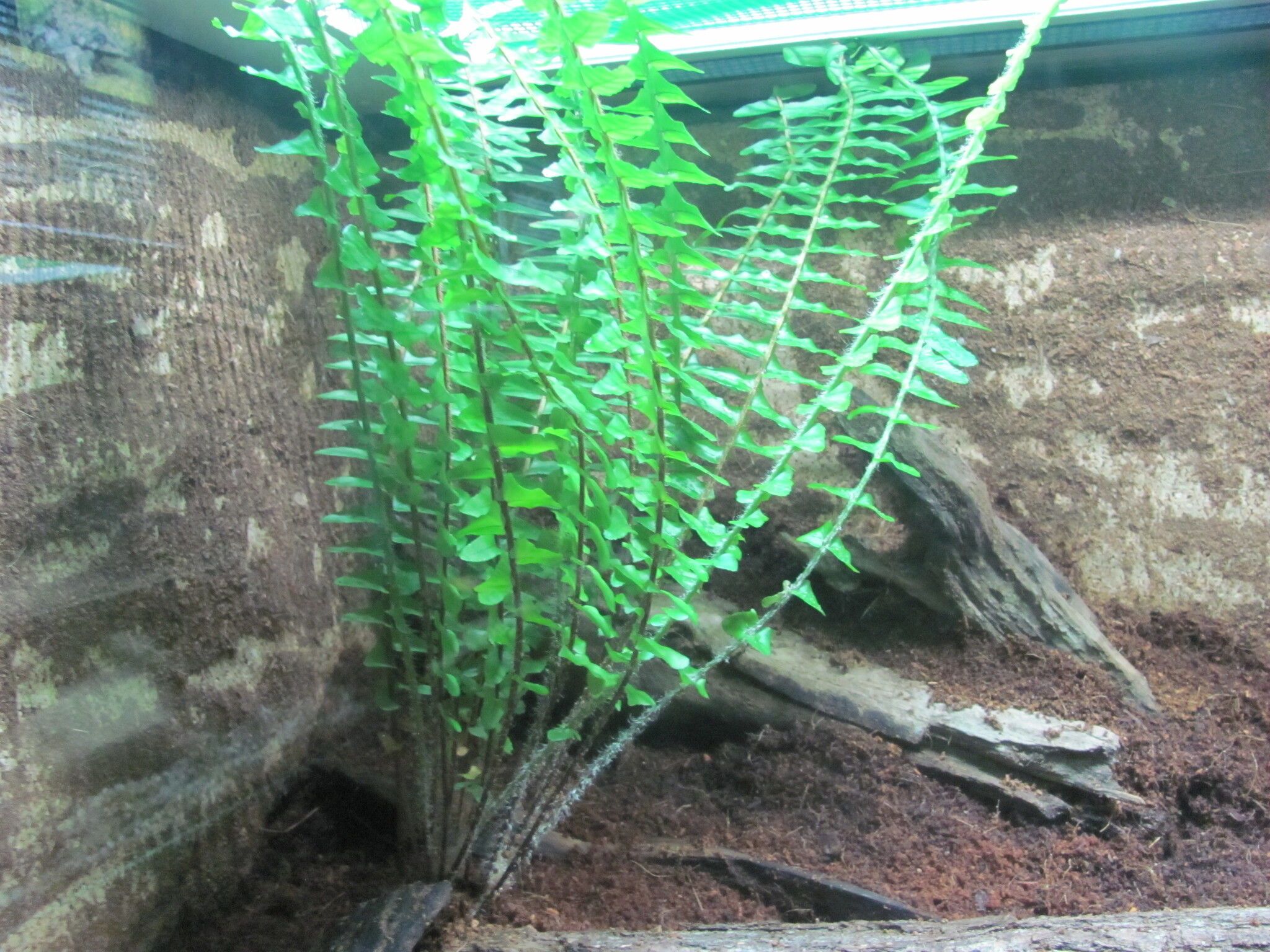
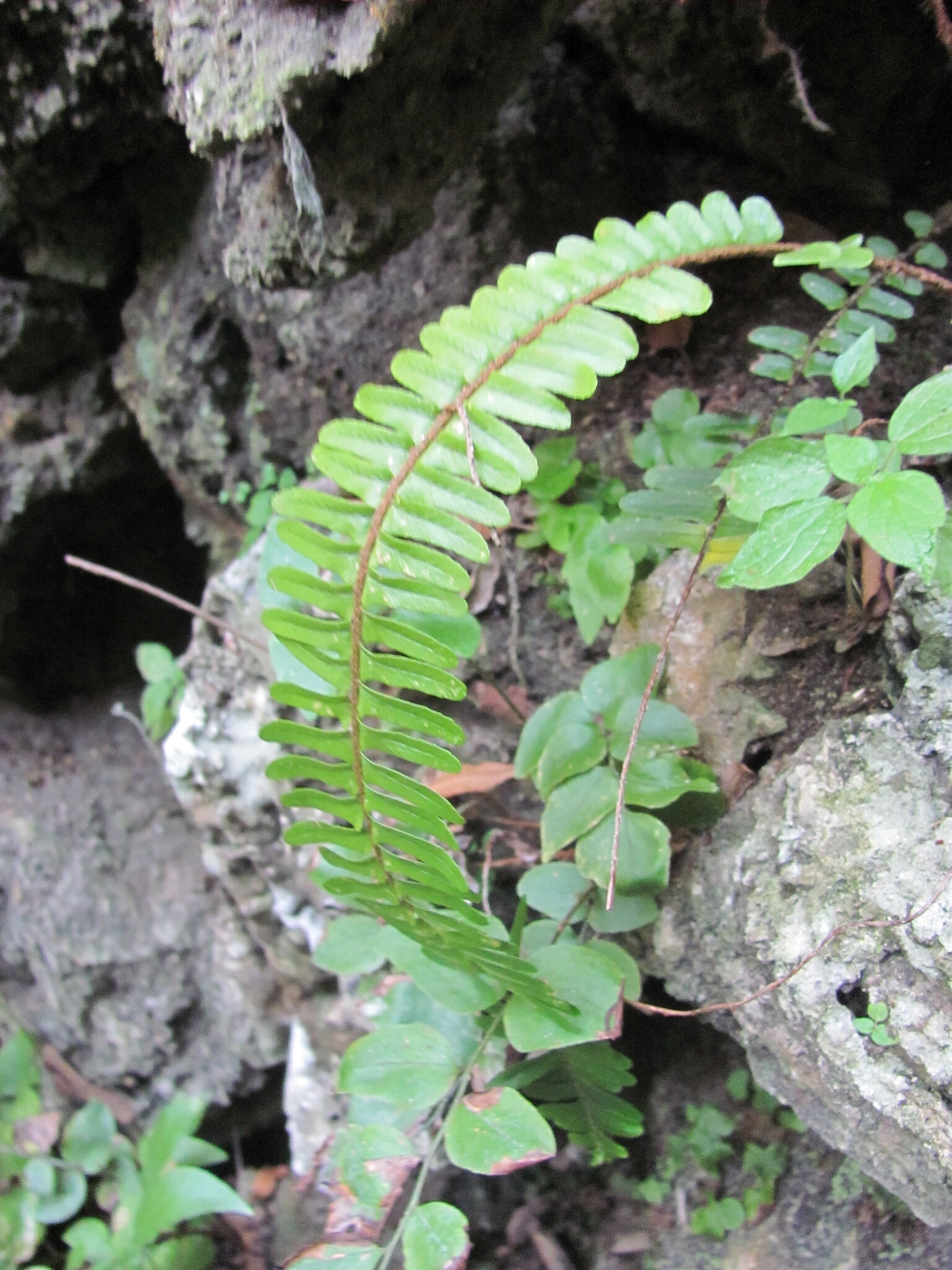
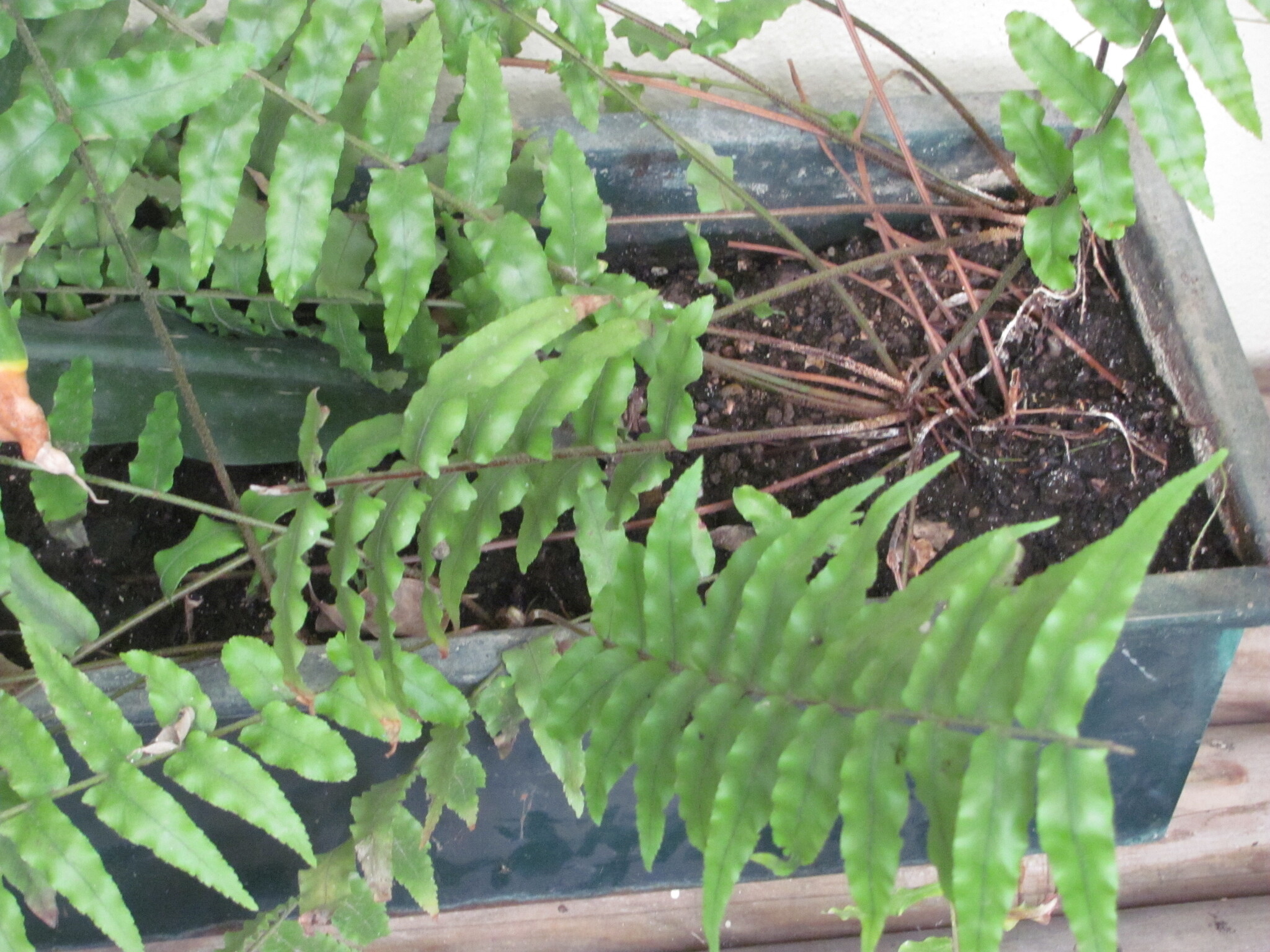
The plant carries narrow, ladder-like pinnate fronds that can reach up to two metres long in ideal conditions, with sickle-shaped or narrowly oblong pinnae. Young growth stands upright before gracefully arching with age, and the plant often sends out runners that root and form new plantlets. Numerous cultivars exist with curly, wavy, twisted, or double-pinnate frond variations.
Source: RHS
Common Pest Watch
Scale insects, mealybugs, slugs, and whitefly may all turn up on this fern, and indoor leaf drop can also become a nuisance. Keep an eye on the fronds for these visitors so problems are caught early.
Source: Missouri Botanical Garden
Reading the Fronds
Greyish, stalled growth usually points to drought and calls for more consistent watering once the topsoil dries. Weak, droopy fronds suggest not enough light, while unusually pale green foliage can mean too much direct sun. Brown leaf tips often signal a nutrient or water-quality issue, such as mineral salt buildup, and may improve with fresh soil or rainwater.
Source: Epic Gardening
Pruning and Repotting Rhythm
This is a low-maintenance plant overall, needing little beyond an occasional check for pests or crowded roots. Snip off older or browning fronds at the base to make room for new growth, and only repot when the roots have filled the container and the plant needs more room. Dividing every few years gives the fern a chance to put out fresh roots as it grows large.
Source: Epic Gardening
Care recipe
The species record — the baseline every cultivar inherits unless it says otherwise.
Care notes are early — not yet verified
- Light
- Horta curated (seed)
- Water
- ai:claude-opus-4-8 (range 3-7d)
- Humidity
- ai:claude-opus-4-8
- Soil
- ai:claude-fable-5
- Care
- ai:claude-fable-5
Bright, indirect
≈ every 7 days
High
16–24 °C
Light, peaty, well-draining mix that stays evenly moist
Division or rooted runners
Dilute balanced feed monthly spring through summer
Moderate
Never flowers — the classic Boston fern, spore-bearing
Non-toxic to cats & dogs
Listed non-toxic to cats, dogs, and horses (Boston fern). This is where toxicity lives: every cultivar of this species inherits it and none can override it.
Reference images
Every image credited. Licenses link to their deeds.
Primary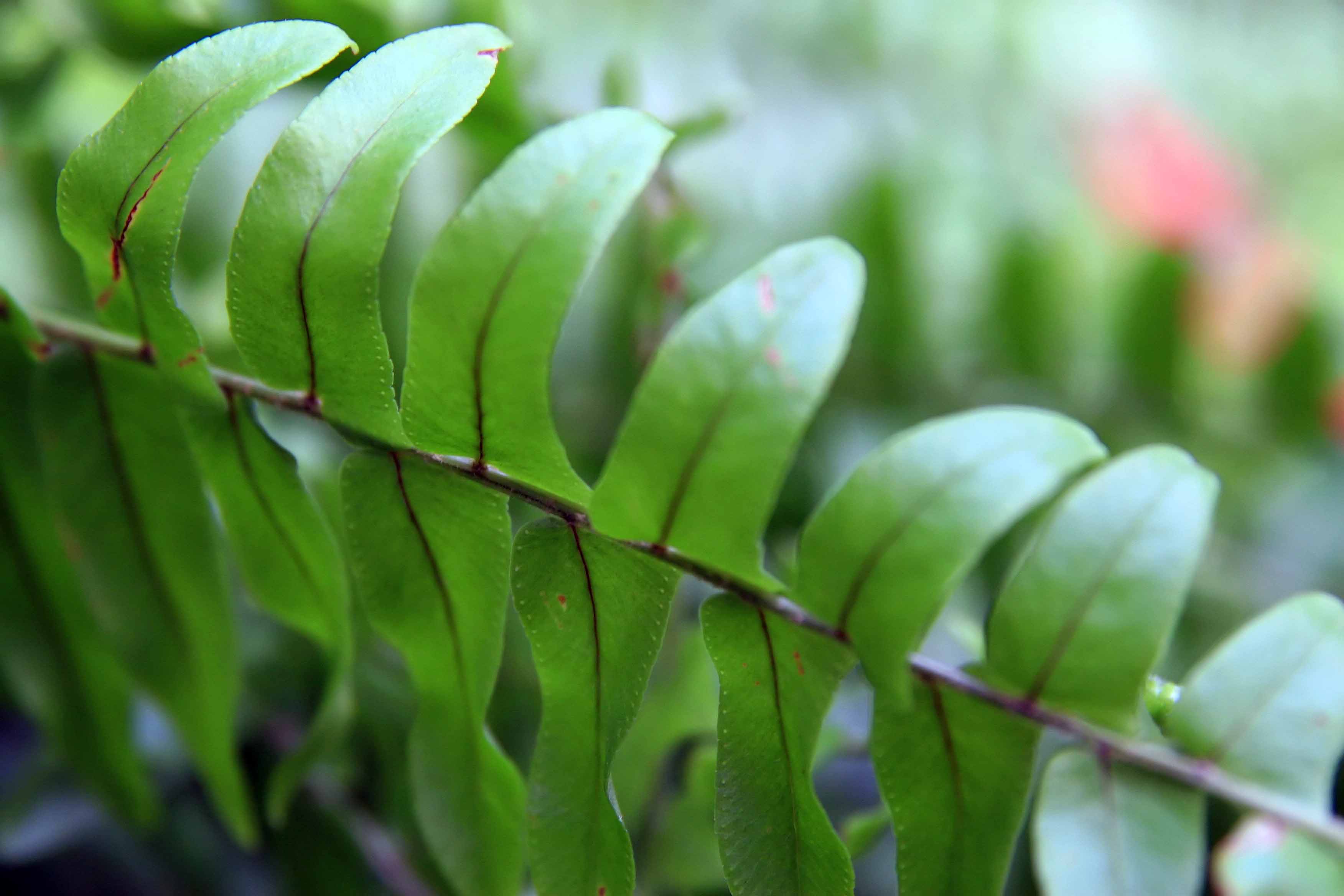


Sources: Horta curated (seed) · ai:claude-opus-4-8 (range 3-7d) · ai:claude-opus-4-8 · ai:claude-fable-5 · ASPCA
Kept true by its growers
Every fact here carries its source. Grow Sword Fern yourself? What you’ve observed — how it drinks, how it holds its color, a name that’s off — and a clear photo of your plant are exactly what keep this page honest. Contributions are reviewed before anything changes.
Sign in to add what you know →