Species · genus Nephrolepis · Nephrolepidaceae
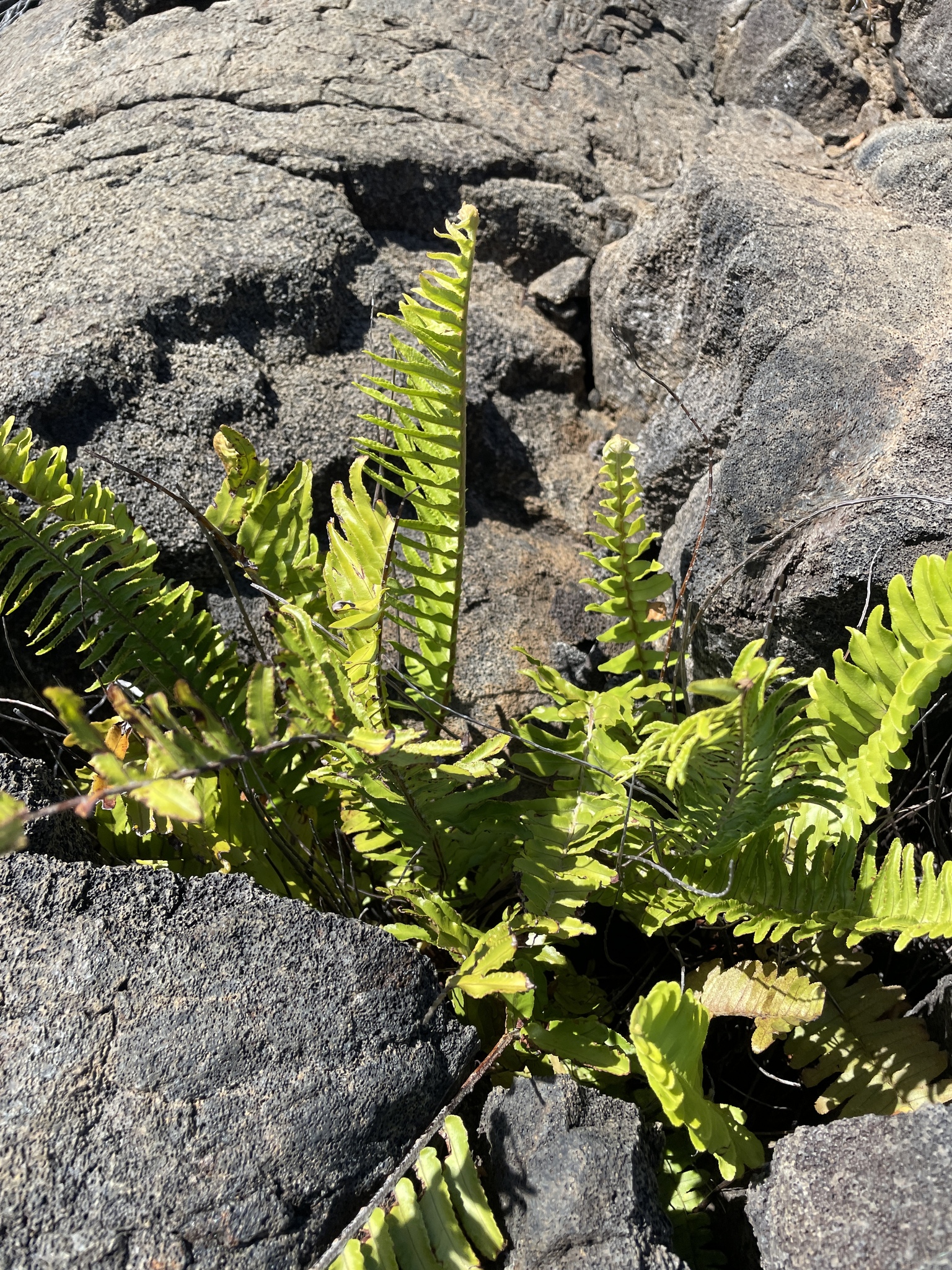
Asian Swordfern
Nephrolepis brownii (Desv.) Hovenkamp & Miyam.
Also known as: Asian Sword Fern · Brown's Sword Fern
Cultivars of N. brownii
The named forms growers keep — each with its own page, each honest about how much we know.
No named cultivars catalogued under N. brownii yet. When growers document a stable, named form, it earns its own page here.
Guide
The species-level account. Cultivar pages build on this and say where they differ.
A Fern of Many Names
The Boston fern, botanically Nephrolepis exaltata, is a true fern grown for its arching, feathery fronds and its ease as a houseplant. It belongs to a genus of ferns found throughout the tropics and subtropics, and it took its common name from a happy accident: a shipment from Philadelphia to Boston in 1894 carried a cultivar that stuck with the city's name ever since.
Source: Epic Gardening
Understory Beginnings
This fern's roots, so to speak, are in the tropical forests and wetlands of north and central South America, Central America, the southern coastal United States, and parts of the Caribbean. There it grew as an understory plant, accustomed to shade and steady moisture rather than open sun. The wider genus Nephrolepis itself ranges across tropical and subtropical regions worldwide.
Source: Epic Gardening
Light, Water, Warmth
Give it bright but indirect light, more of it in fall and winter, filtered and gentler through spring and summer, since direct sun for long stretches is not well tolerated; a minimum of about two hours of indirect light daily is needed. Water indoor plants once the top inch of soil dries, watering at the soil line to keep fronds dry, and let outdoor plants dry similarly at the surface before the next watering, with mulch helping hold moisture in warm months. It prefers warmth between 65 and 75°F, humidity kept up with occasional misting or a pebble tray, and a diluted liquid fertilizer applied at the base rather than on the fronds.
Source: Epic Gardening
Runners and Division
Propagation happens by runners or by division, since fern spores, though viable, are difficult to raise into new plants reliably. Stolons extending from a mature plant will root on their own and can be cut away and repotted in sterile mix. Alternatively, once the soil has been allowed to dry more than usual, the whole root ball can be lifted and sliced into sections with a serrated knife before repotting each piece.
Source: Epic Gardening
Arching, Feathery Fronds
What draws the eye is the rosette of lush, arching fronds, finely divided into a soft, feathery texture that cascades well from a hanging basket or spills over a shaded bed. It is an evergreen fern, and its form makes it equally at home as a ground cover in shade or as an air-purifying presence indoors, noted for filtering out toxins such as formaldehyde. Left undisturbed, an individual plant is said to live well over a century.
Source: Epic Gardening
Common Pest Pressures
Root knot nematodes can mimic root rot symptoms and are best countered with beneficial nematodes. Caterpillars such as cutworms respond to Bacillus thuringiensis, while fungus gnats can be managed with neem oil or beneficial nematodes in the soil. Mealybugs, thrips, and scale insects are also known visitors, treatable with neem oil or insecticidal soap.
Source: Epic Gardening
Reading the Fronds
Greyish, stalled growth usually points to drought stress, while weak, droopy fronds ask for more indirect light. Fronds that pale rather than stay deep green often mean too much direct sun, and browning tips suggest mineral salt buildup or poor water quality, which rainwater or fresh soil can help correct. If greying isn't tied to watering, suspect Pythium root rot, a fungal disease best avoided by starting with pathogen-free plants and sterile soil; dark leaf lesions may instead signal Rhizoctonia aerial blight.
Source: Epic Gardening
Light Pruning, Occasional Repotting
This is a low-maintenance fern: an occasional look-over for pests or the need to repot or prune is usually enough. Older fronds can be snipped at the base to make room for new growth and to tidy up any browning leaves, though this is mostly cosmetic. Repotting isn't required on a schedule but becomes worthwhile once roots crowd the pot, and dividing every few years gives the plant room to send out fresh roots.
Source: Epic Gardening
Care recipe
The species record — the baseline every cultivar inherits unless it says otherwise.
Care notes are early — not yet verified
- Light
- ai:claude-opus-4-8
- Water
- ai:claude-opus-4-8 (range 4-8d)
- Humidity
- ai:claude-opus-4-8
- Soil
- ai:claude-fable-5
- Care
- ai:claude-fable-5
Bright, indirect
≈ every 8 days
High
16–27 °C
Rich, moisture-retentive mix with plenty of organic matter
Division or rooted runners
Half-strength balanced feed monthly in the growing season
Fast
Never flowers — a fern, spreads by spores
Not yet documented
This is where toxicity lives — every cultivar of this species inherits it and none can override it.
Reference images
Every image credited. Licenses link to their deeds.
PrimarySources: ai:claude-opus-4-8 · ai:claude-opus-4-8 (range 4-8d) · ai:claude-fable-5
Kept true by its growers
Every fact here carries its source. Grow Asian Swordfern yourself? What you’ve observed — how it drinks, how it holds its color, a name that’s off — and a clear photo of your plant are exactly what keep this page honest. Contributions are reviewed before anything changes.
Sign in to add what you know →