Species · genus Nephrolepis · Nephrolepidaceae
Giant Sword Fern
Nephrolepis biserrata (Sw.) Desv.
Also known as: Broad Sword Fern · Fishbone Fern
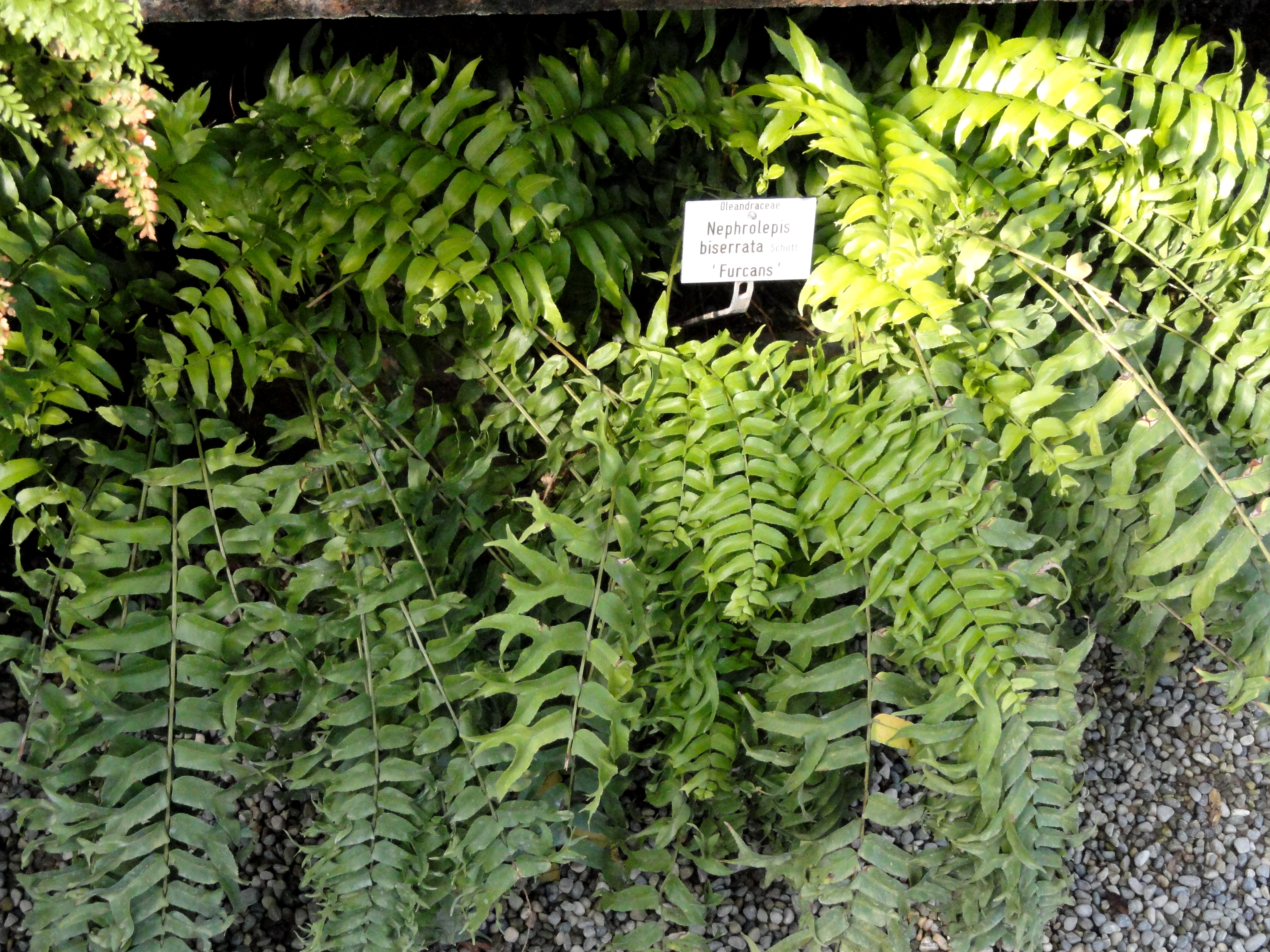
Cultivars of N. biserrata
The named forms growers keep — each with its own page, each honest about how much we know.
No named cultivars catalogued under N. biserrata yet. When growers document a stable, named form, it earns its own page here.
Guide
The species-level account. Cultivar pages build on this and say where they differ.
Meet the Macho Fern
Macho fern is a big, brawny fern that lives up to its name, sporting bright green fronds with bold, broad leaflets. It dwarfs relatives like Boston fern and Kimberly Queen fern, and its botanical name is Nephrolepis biserrata.
Source: Costa Farms
A Wide Natural Range
This fern is native across the tropics and subtropics, turning up as a perennial or epiphyte in wet tropical regions on nearly every continent, from the Caribbean and Central America to Africa, South and Southeast Asia, and the Pacific islands. Beyond ornamental use, it has a long history as food, medicine, and even poison, and has served environmental and social purposes in the places it grows wild.
Source: Kew
Light, Water, and Feeding
Outdoors, macho fern prefers shade or part shade, ideally morning sun with afternoon shade, and shelter from strong drying winds. Indoors it tolerates low, medium, or bright light, though direct sun should be softened with a sheer curtain. Keep the potting mix moist but never soggy, watering as the top inch or so dries, which can mean daily watering in summer heat, and feed with a general-purpose fertilizer every six months at minimum outdoors, or in spring and summer indoors if you choose to feed at all.
Source: Costa Farms
Big, Bold Fronds
What sets macho fern apart is scale: its graceful fronds stretch 3 to 4 feet long, giving it far more presence than smaller fern relatives. It suits large urns or planters where those fronds have room to spread, and it dresses up shaded or partly shaded porches and patios outdoors.
Source: Costa Farms
Seasonal Moves and Pruning
In fall, macho fern can be brought indoors and set in a bright spot away from direct sun to carry it through as a houseplant. Pruning is light-touch: simply remove old, faded fronds, or indoors, fronds that have turned brown.
Source: Costa Farms
Care recipe
The species record — the baseline every cultivar inherits unless it says otherwise.
Care notes are early — not yet verified
- Light
- ai:claude-opus-4-8
- Water
- ai:claude-opus-4-8 (range 3-7d)
- Humidity
- ai:claude-opus-4-8
- Soil
- ai:claude-fable-5
- Care
- ai:claude-fable-5
Bright, indirect
≈ every 7 days
High
16–27 °C
Loose, humus-rich mix that holds moisture yet drains freely
Division of the rootball or rooted runners
Dilute balanced liquid feed monthly through spring and summer
Fast
Never flowers — a fern, reproduces by spores
Not yet documented
This is where toxicity lives — every cultivar of this species inherits it and none can override it.
Reference images
Every image credited. Licenses link to their deeds.
PrimarySources: ai:claude-opus-4-8 · ai:claude-opus-4-8 (range 3-7d) · ai:claude-fable-5
Kept true by its growers
Every fact here carries its source. Grow Giant Sword Fern yourself? What you’ve observed — how it drinks, how it holds its color, a name that’s off — and a clear photo of your plant are exactly what keep this page honest. Contributions are reviewed before anything changes.
Sign in to add what you know →