Species · genus Monstera · Araceae
Five Holes Plant
Monstera standleyana G.S.Bunting
Also known as: Philodendron Cobra · Monstera Standleyana Albo Variegata · Standley's Monstera
Cultivars of M. standleyana
The named forms growers keep — each with its own page, each honest about how much we know.
No named cultivars catalogued under M. standleyana yet. When growers document a stable, named form, it earns its own page here.
Guide
The species-level account. Cultivar pages build on this and say where they differ.
A Variegated Climbing Aroid
Monstera Cobra is the trade name for Monstera standleyana Albo-Variegata, a climbing houseplant prized for its creamy-white splashed foliage. It is sometimes sold under the name Philodendron Cobra, though botanically it belongs to Monstera.
Source: Costa Farms
Rainforests of Central America
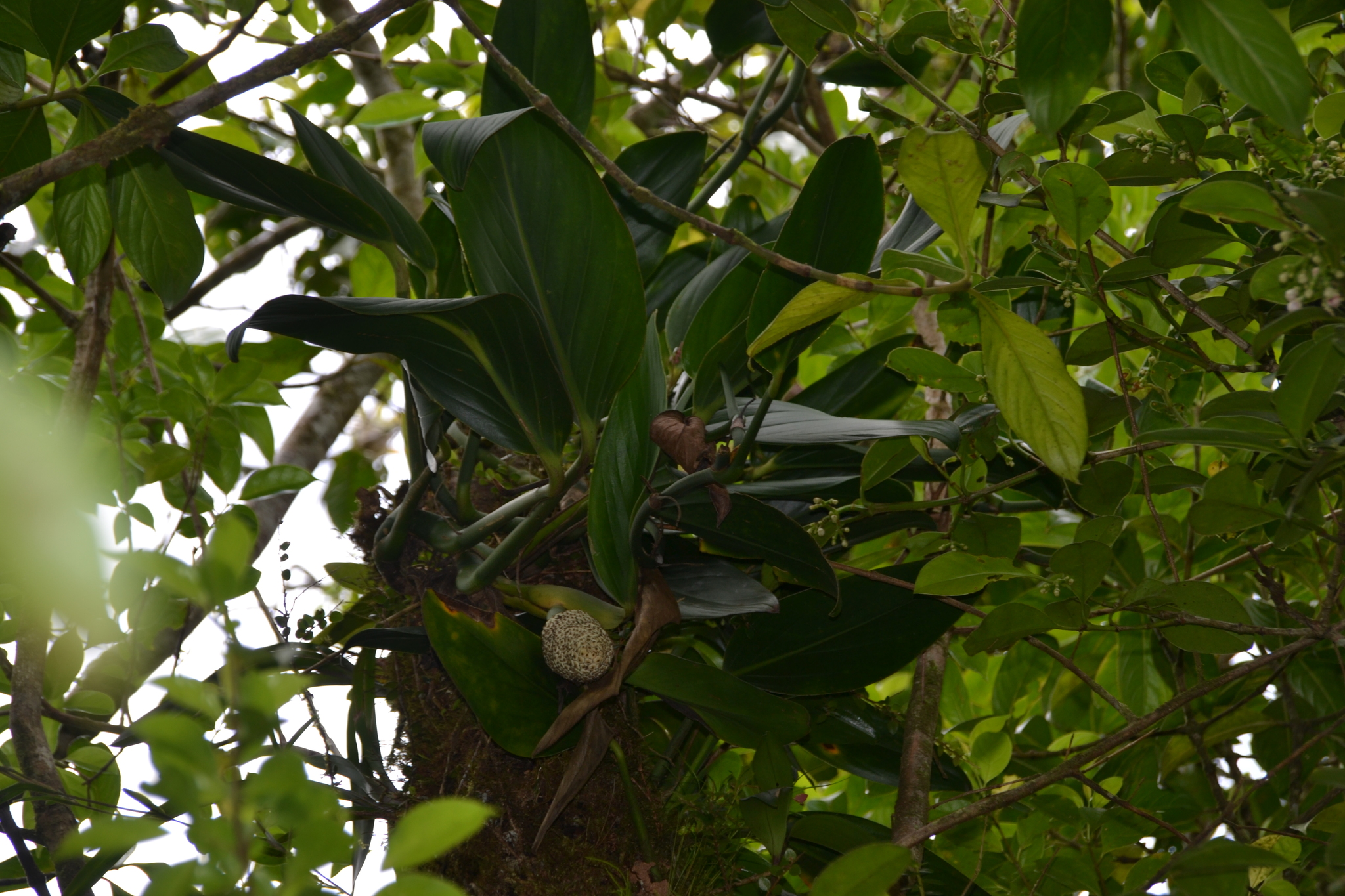
This plant is native to the tropical rainforests of Central America, part of a genus whose natural range extends from Central America into northwest Colombia. In the wild it grows as a climbing shrub, using aerial roots to ascend, much as its better-known Monstera relatives do.
Source: RHS
Bright Light, Measured Water
Give it medium to bright indirect light; it can survive dimmer spots but will lose fullness and lushness without decent light, and it needs no direct sun to get by. Let the top couple of inches of potting mix dry before watering again, since this aroid is sensitive to overwatering and may drop yellowing leaves if kept too wet or too dry. It appreciates above-average humidity but tolerates average or even low humidity, and a houseplant fertilizer applied through spring and summer, following label directions, is optional but welcome.
Source: Costa Farms
Cuttings, Layering, or Seed
Propagation can be done by seed, by root tip or leaf cuttings, or by layering carried out in summer.
Source: RHS
Streaked Leaves, No Holes
Each leaf carries its own pattern of creamy-white streaks and splashes, so no two are quite alike, and some emerge with heavy variegation while others show almost none. Unlike many of its Monstera cousins, the leaves stay solid and do not develop fenestrations as the plant matures. It has a climbing habit and can be trained up a moss pole or trellis, left to trail from a basket, or allowed to scramble along a well-lit surface, eventually reaching more than 6 feet under good conditions.
Source: Costa Farms
Scale and Spider Mites
Watch for scale insects and glasshouse red spider mite, the two pests this Monstera is most often troubled by. Otherwise it is generally free of disease.
Source: RHS
Yellowing and Root Rot
Yellowing leaves that drop prematurely usually point to a watering mismatch, either letting the mix go too dry or keeping it too wet. The plant is particularly susceptible to root rot if it stays soggy, a risk that grows worse in low light where the soil takes longer to dry.
Source: Costa Farms
Pinch to Shape
Pruning is optional and mainly a matter of controlling size or encouraging a fuller, bushier plant; pinching off new growth prompts side shoots to form. Note that the sap and plant tissue carry some natural toxicity, so it is grown for ornamental purposes rather than consumption, and contact may irritate those sensitive to it.
Source: Costa Farms
Care recipe
The species record — the baseline every cultivar inherits unless it says otherwise.
Care notes are early — not yet verified
- Light
- ai:claude-opus-4-8
- Water
- ai:claude-opus-4-8 (range 7-12d)
- Humidity
- ai:claude-opus-4-8
- Soil
- ai:claude-fable-5
- Care
- ai:claude-fable-5
Bright, indirect
≈ every 12 days
Medium
18–29 °C
Chunky, well-draining aroid mix
Stem cuttings with a node, rooted in water or mix
Balanced liquid feed monthly in the growing season
Moderate
Rarely flowers indoors
Toxic to cats & dogs & humans
Araceae contain insoluble calcium oxalate crystals, which can irritate the mouth and digestive tract if chewed. This is where toxicity lives: every cultivar of this species inherits it and none can override it.
Reference images
Every image credited. Licenses link to their deeds.
Sources: ai:claude-opus-4-8 · ai:claude-opus-4-8 (range 7-12d) · ai:claude-fable-5 · ai:claude-opus-4-8 (family inference)
Kept true by its growers
Every fact here carries its source. Grow Five Holes Plant yourself? What you’ve observed — how it drinks, how it holds its color, a name that’s off — and a clear photo of your plant are exactly what keep this page honest. Contributions are reviewed before anything changes.
Sign in to add what you know →