Species · genus Livistona · Arecaceae
Chinese Fan Palm
Livistona chinensis (Jacq.) R.Br. ex Mart.
Also known as: Fountain Palm · Chinese Fountain Palm · Fan Palm
Cultivars of L. chinensis
The named forms growers keep — each with its own page, each honest about how much we know.
No named cultivars catalogued under L. chinensis yet. When growers document a stable, named form, it earns its own page here.
Guide
The species-level account. Cultivar pages build on this and say where they differ.
A Fan-Leaved Palm
Livistona chinensis, the Chinese fan palm, is a single-stemmed evergreen palm in the Arecaceae family, known also as the Chinese fountain palm. It is grown both as a landscape tree in mild climates and, when young, as a container or conservatory specimen.
Source: RHS
Native to East Asia
This palm's natural range runs from southern Japan through to China's Guangdong province, and more broadly from southern China to Vietnam and temperate East Asia. It grows chiefly in the subtropical biome, and beyond ornamental planting it has a history of use in Colombia for food, materials, and medicine.
Source: Kew
Light, Water, Feed
Grown under glass or as a container plant summered outdoors, it wants a peat-free, loam-based compost and a spot in full or bright indirect light. Water generously through the growing season, then cut back to sparing waterings over winter, and feed monthly with a balanced liquid fertiliser while it is actively growing.
Source: RHS
Starting From Seed
Propagation is by seed, sown in containers and kept at around 23C, with sowing best done in spring.
Source: RHS
Trunk, Fans, and Fruit
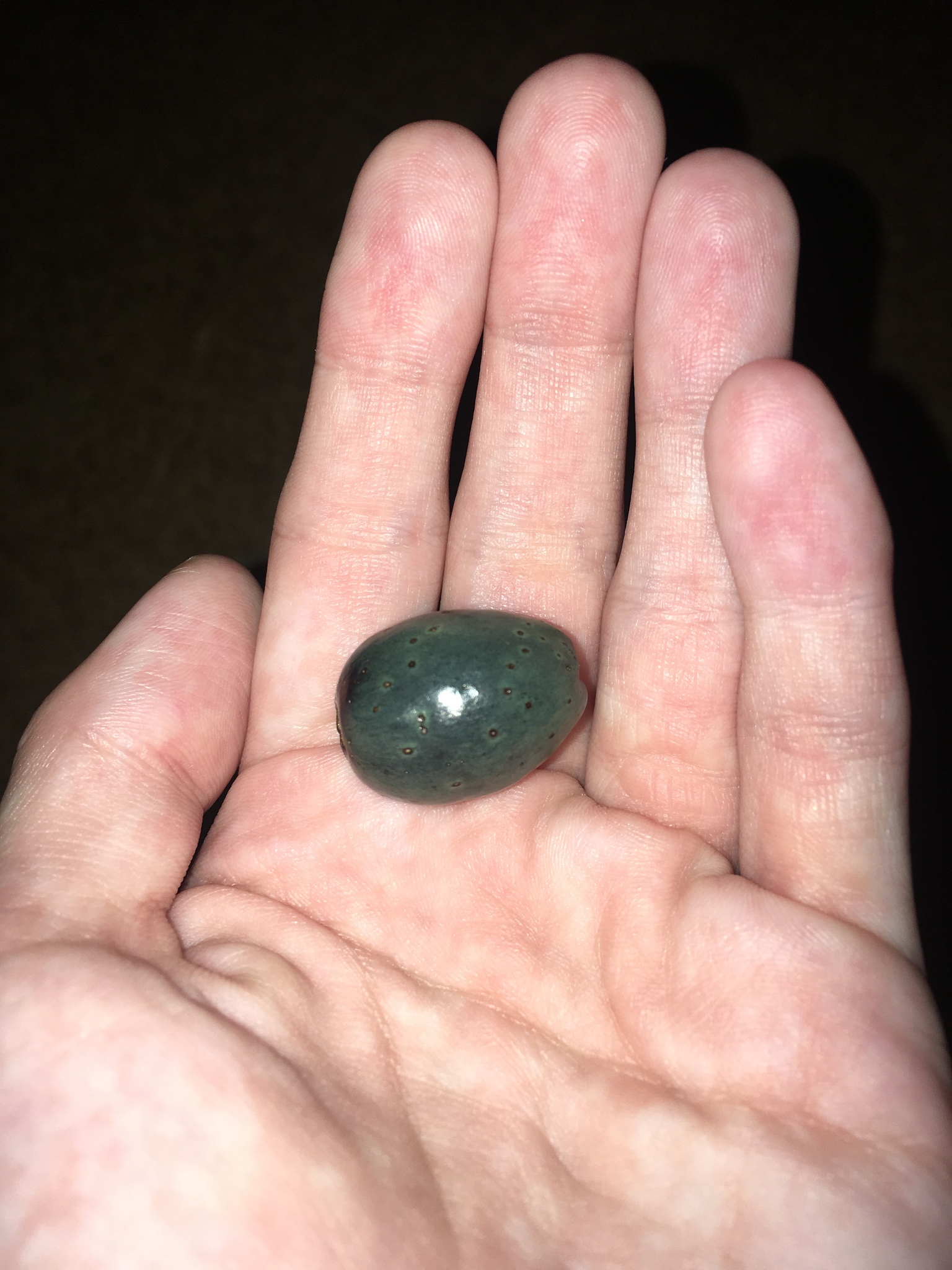
Left to its own growth it becomes a substantial palm, reaching up to twelve metres with a stout trunk and long-stalked, fan-shaped leaves as long as two metres, their segments drooping in a linear fashion. In summer it sends up panicles of small cream flowers, which are followed by glossy fruits in blue-green or pinkish tones.
Source: RHS
Mites and Scale
Glasshouse red spider mite and scale insect are the pests most likely to trouble this palm, so it is worth watching the fronds for their early signs.
Source: RHS
Little Pruning Needed
This is a slow, long-lived palm, taking anywhere from twenty to fifty years to reach maturity, and it is generally disease-free. Pruning is largely unnecessary, which keeps its upkeep simple once it is settled.
Source: RHS
Care recipe
The species record — the baseline every cultivar inherits unless it says otherwise.
Care notes are early — not yet verified
- Light
- ai:claude-opus-4-8
- Water
- ai:claude-opus-4-8 (range 7-14d)
- Humidity
- ai:claude-opus-4-8
- Soil
- ai:claude-fable-5
- Care
- ai:claude-fable-5
Bright, indirect
≈ every 14 days
Medium
10–29 °C
Rich, well-draining loamy mix
Seed; slow and patience-testing
Balanced palm feed monthly in the growing season
Slow
Does not flower as an indoor plant
Not yet documented
This is where toxicity lives — every cultivar of this species inherits it and none can override it.
Reference images
Every image credited. Licenses link to their deeds.
PrimarySources: ai:claude-opus-4-8 · ai:claude-opus-4-8 (range 7-14d) · ai:claude-fable-5
Kept true by its growers
Every fact here carries its source. Grow Chinese Fan Palm yourself? What you’ve observed — how it drinks, how it holds its color, a name that’s off — and a clear photo of your plant are exactly what keep this page honest. Contributions are reviewed before anything changes.
Sign in to add what you know →