Species · genus Kalanchoe · Crassulaceae
Panda Plant
Kalanchoe tomentosa Baker
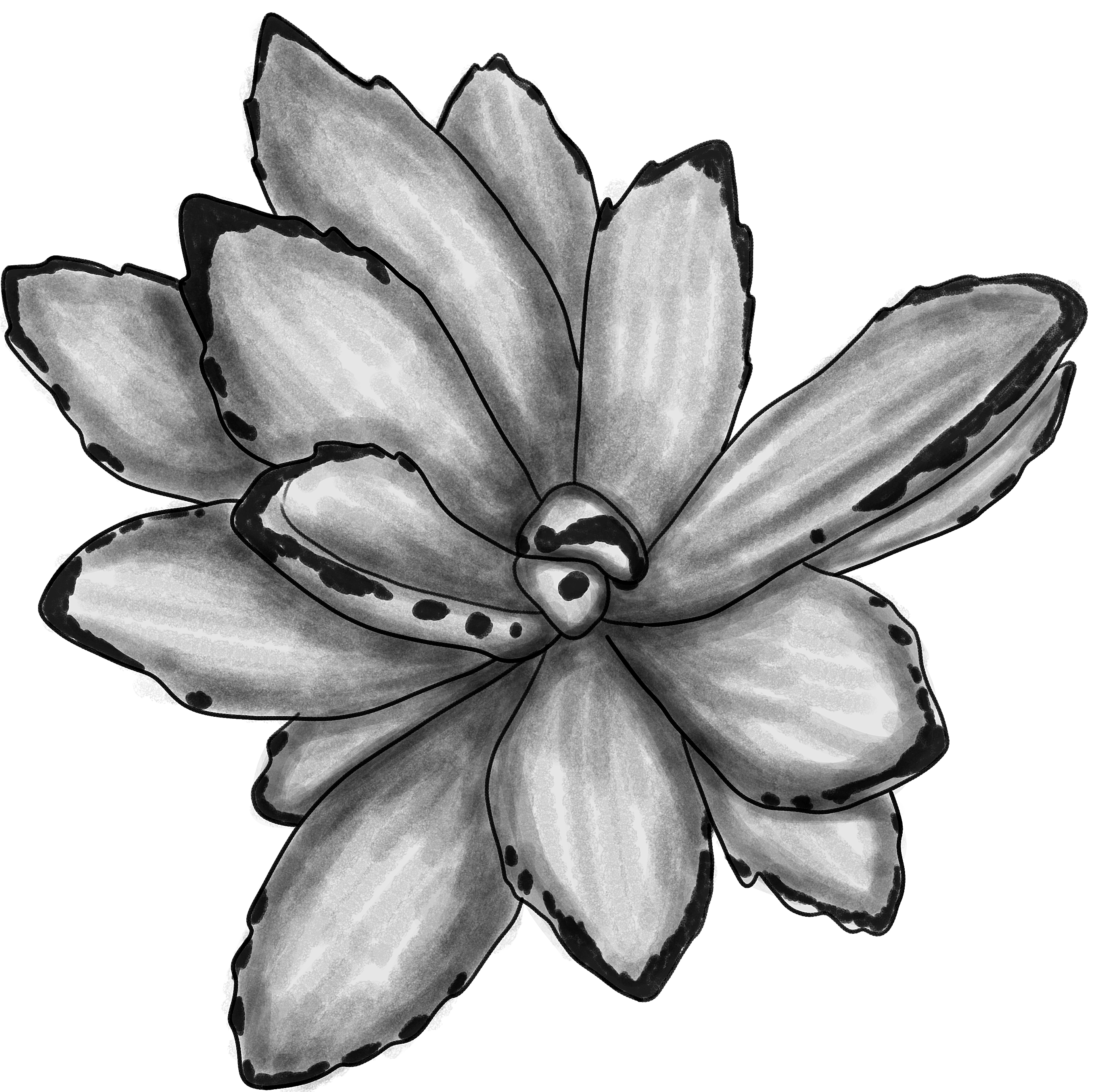
Cultivars of K. tomentosa
The named forms growers keep — each with its own page, each honest about how much we know.
No named cultivars catalogued under K. tomentosa yet. When growers document a stable, named form, it earns its own page here.
Guide
The species-level account. Cultivar pages build on this and say where they differ.
Meet the Panda Plant
The panda plant is Kalanchoe tomentosa, a fuzzy-leaved succulent in the Crassulaceae family. Its charm lies in soft, silvery leaves edged in brown, which is really the whole point of growing it, since flowering indoors is rare.
Source: Epic Gardening
A Madagascar Native
This species comes from Madagascar, where it grows a few feet tall under warm, bright conditions. Its tolerance for containers and partial shade has made it a natural fit for the windowsill, alongside a small cast of cultivars such as 'Chocolate Soldier', 'Gold', and 'Teddy Bear'.
Source: Epic Gardening
Sun, Drought, Warmth
Give this plant as much bright light as you can manage, ideally a south- or west-facing window with direct sun, though it will tolerate bright indirect light or an east window with some morning sun. Let the soil dry out completely between waterings, since these plants store moisture in their leaves and resent being kept damp. They prefer warmth around 70F and dislike drafts or drops below 50F, and they get by on modest feeding, an occasional half-strength dose in spring and summer or just once a year.
Source: Epic Gardening
Stem or Leaf Cuttings
Panda plants root readily from either stem cuttings or single leaves, though patience is required as they are slower to root than many succulents. Stem cuttings give a mature plant faster and suit a plant that has stretched, while single-leaf propagation lets you multiply a small plant many times over. Either way, let the cut end callus for a couple of days before planting, then keep the soil just barely moist while roots form.
Source: Epic Gardening
Fuzzy, Fleshy Foliage
This is an erect, evergreen, bushy perennial that can reach up to a meter tall outdoors, though indoor growth stays far more modest. The thick, fleshy leaves run up to about 9cm long, covered in silvery hair and edged and tipped in brown. In spring it can send up panicles of small tubular yellow-green flowers, though this is uncommon in home conditions.
Source: RHS
Watch for Mealybugs
Mealybugs and aphids are the pests most likely to trouble this plant, alongside occasional powdery mildew or rust. A telltale sign is fluffy, cotton-like white patches on the leaves, which can be treated by dabbing individual bugs with an alcohol-soaked cotton swab until the infestation clears.
Source: RHS
Reading the Leaves
Several leaves dropping at once usually points to an environmental mismatch in light, water, or temperature that needs correcting. Brown, shriveled lower leaves are often just natural aging and can be pulled off, though widespread shriveling suggests underwatering or too much harsh afternoon sun. Mushy stems signal rot from overwatering or poor drainage, and once the base has gone soft, the best rescue is to propagate healthy top growth rather than try to save the whole plant.
Source: Epic Gardening
Occasional Repotting
This plant grows slowly and stays fairly compact, but it will eventually need a soil refresh and a larger pot every few years. Repot by loosening the roots, easing off old soil, and settling the plant into a new container with fresh succulent mix, waiting a day or two before the first watering.
Source: Epic Gardening
Care recipe
The species record — the baseline every cultivar inherits unless it says otherwise.
Care notes are early — not yet verified
- Light
- ai:claude-opus-4-8
- Water
- ai:claude-opus-4-8 (range 10-21d)
- Humidity
- ai:claude-opus-4-8
- Soil
- ai:claude-fable-5
- Care
- ai:claude-fable-5
Direct sun
≈ every 21 days
Low — average room
13–27 °C
Gritty, fast-draining cactus and succulent mix
Leaf cuttings laid on dry mix, kept barely moist
Light succulent feed monthly in spring and summer
Slow
Rarely flowers indoors; grown for its felted silver leaves
Toxic to cats & dogs
Crassulaceae of the genus Kalanchoe contain cardiac bufadienolide glycosides. This is where toxicity lives: every cultivar of this species inherits it and none can override it.
Reference images
Every image credited. Licenses link to their deeds.
PrimarySources: ai:claude-opus-4-8 · ai:claude-opus-4-8 (range 10-21d) · ai:claude-fable-5 · ai:claude-opus-4-8 (family inference)
Kept true by its growers
Every fact here carries its source. Grow Panda Plant yourself? What you’ve observed — how it drinks, how it holds its color, a name that’s off — and a clear photo of your plant are exactly what keep this page honest. Contributions are reviewed before anything changes.
Sign in to add what you know →