Species · genus Justicia · Acanthaceae
Brazilian-Plume
Justicia carnea Lindl.
Also known as: Flamingo-flower · King's-crown · Plumeflower
Cultivars of J. carnea
The named forms growers keep — each with its own page, each honest about how much we know.
No named cultivars catalogued under J. carnea yet. When growers document a stable, named form, it earns its own page here.
Guide
The species-level account. Cultivar pages build on this and say where they differ.
Brazilian Plume, In Brief
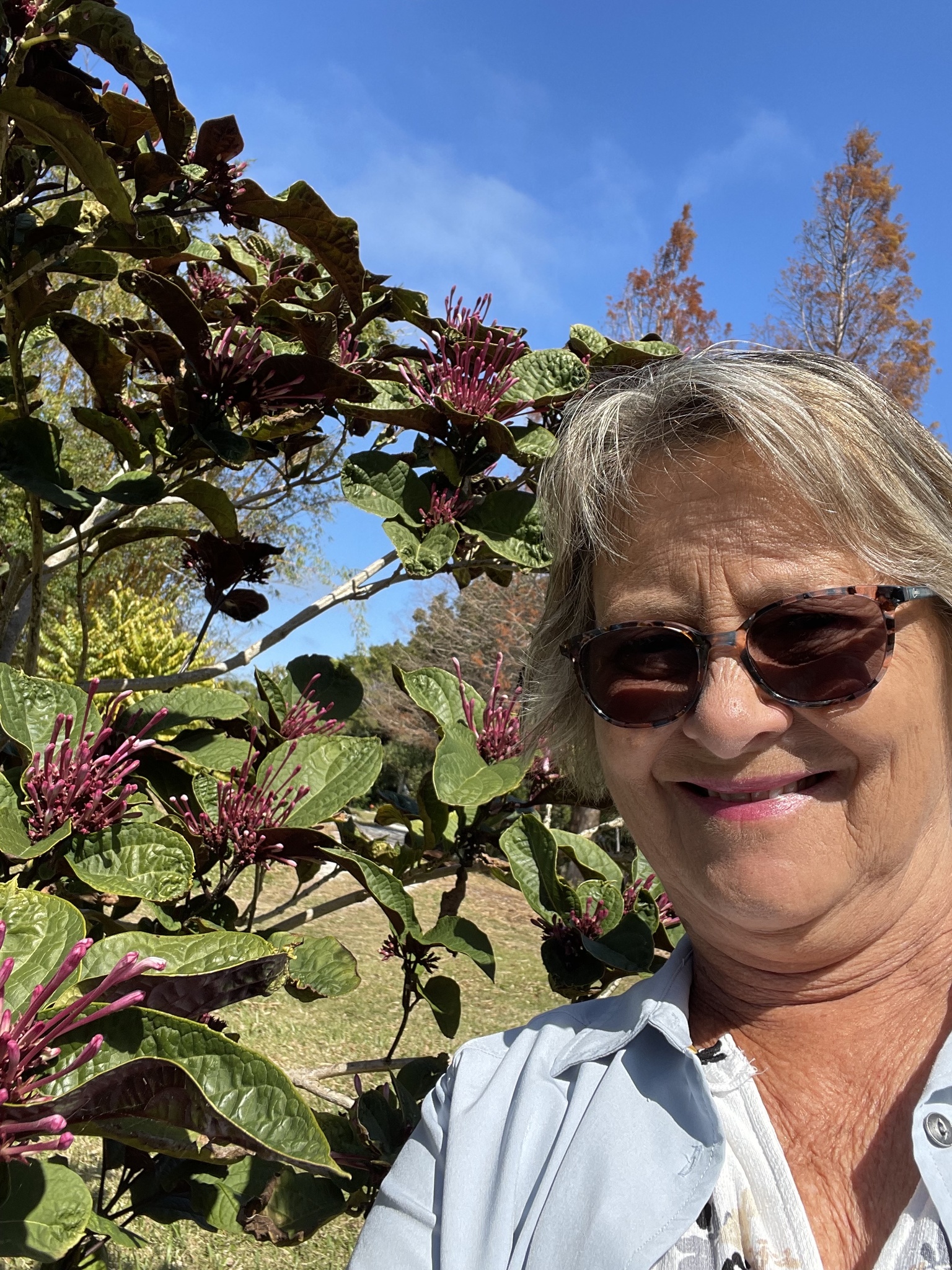
Justicia carnea is an upright, evergreen tropical shrub grown for its plumes of bright pink flowers, which is why it goes by Brazilian plume, king's crown, or plume plant. It carries dark green foliage, purple on the reverse, and can reach around two metres where conditions suit it. It belongs to the Acanthaceae family, in a genus of shrubs and perennials known for tubular, two-lipped flowers set among showy bracts.
Source: RHS
A Brazilian Native
This species comes from the wet tropics of southeastern and southern Brazil, extending into Paraguay and northeastern Argentina. Lindley first published it in 1831, and it has since travelled widely, becoming naturalised in places like Hawaii, Cuba, and the Azores. In its home range it grows as a subshrub or shrub, and people there have also put it to use medicinally.
Source: Kew
Light, Water, Feed
Give it bright, indirect light, though it tolerates partial shade, and set it in a peat-free, loam-based mix that drains well but doesn't dry out. Water regularly through dry spells, avoiding waterlogging, and feed with a balanced fertiliser during the growing season. Where winters bring frost, move container plants somewhere cool, bright, and sheltered from cold.
Source: RHS
From Semi-Ripe Cuttings
This shrub is propagated from semi-ripe cuttings taken in spring or early summer.
Source: RHS
Plumes And Purple-Backed Leaves
The plant is known for its abundant plumes of bright pink flowers, which appear from midsummer onward and give it its common name. Its lush, dark green leaves show purple undersides, adding to the tropical effect. Outdoors, the flowers draw butterflies and hummingbirds and keep blooming right through summer.
Source: Costa Farms
Watch For Mites And Whitefly
Glasshouse red spider mite and glasshouse whitefly are the pests most likely to trouble this plant.
Source: RHS
Contorted Leaves, Dry Air
This is generally a disease-free plant, but its leaves can become contorted if conditions turn very dry.
Source: RHS
Pruning And Repotting Rhythm
Trim lightly in early spring before new growth begins, and remove dead or yellowing leaves through the season to keep the shape bushy. Mature or neglected plants can take a hard prune in spring to renew them. Container-grown specimens are best repotted every one to two years.
Source: RHS
Care recipe
The species record — the baseline every cultivar inherits unless it says otherwise.
Care notes are early — not yet verified
- Light
- ai:claude-opus-4-8
- Water
- ai:claude-opus-4-8 (range 5-10d)
- Humidity
- ai:claude-opus-4-8
- Soil
- ai:claude-fable-5
- Care
- ai:claude-fable-5
Bright, indirect
≈ every 10 days
Medium
16–29 °C
Rich, humusy well-draining potting mix
Softwood stem cuttings root easily in water or mix
Balanced liquid feed every 2-4 weeks while growing
Fast
Showy rose-pink plume spikes in warmth and bright light
Not yet documented
This is where toxicity lives — every cultivar of this species inherits it and none can override it.
Reference images
Every image credited. Licenses link to their deeds.
PrimarySources: ai:claude-opus-4-8 · ai:claude-opus-4-8 (range 5-10d) · ai:claude-fable-5
Kept true by its growers
Every fact here carries its source. Grow Brazilian-Plume yourself? What you’ve observed — how it drinks, how it holds its color, a name that’s off — and a clear photo of your plant are exactly what keep this page honest. Contributions are reviewed before anything changes.
Sign in to add what you know →