Species · genus Hoya · Apocynaceae
Heart Hoya
Hoya kerrii Craib
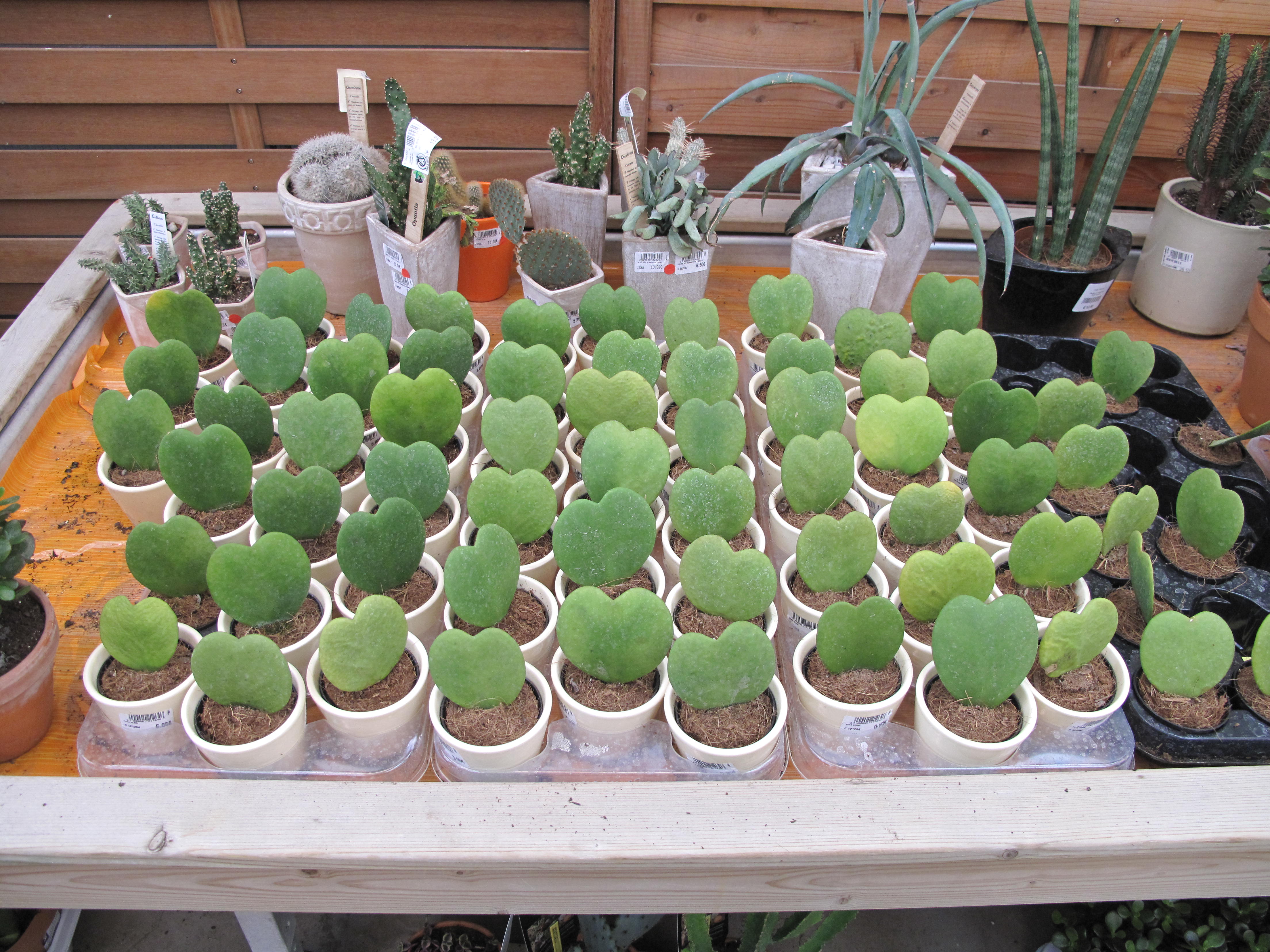
Cultivars of H. kerrii
The named forms growers keep — each with its own page, each honest about how much we know.
No named cultivars catalogued under H. kerrii yet. When growers document a stable, named form, it earns its own page here.
Guide
The species-level account. Cultivar pages build on this and say where they differ.
The Sweetheart Vine
Hoya kerrii is a flowering succulent vine best known for its thick, glossy, heart-shaped leaves, which have made it a favorite gift plant around Valentine's Day. It's often sold as a single rooted leaf, which can live for years as a charming little novelty, though it won't grow further without a piece of stem attached.
Source: Epic Gardening
From Southeast Asian Canopies
This species was first recorded in the mountains of Northern Thailand, and its native range stretches across Vietnam, Laos, South China, Cambodia, and Java. In the wild it grows as an epiphyte or lithophyte, climbing trees and rocks much as orchids do, rather than rooting in soil.
Source: Epic Gardening
Light, Water, Warmth
Give this plant bright, indirect light, ideally near a window where sun is filtered by sheer curtain or tree cover, with a little direct morning sun helpful for encouraging bloom. Because the leaves store water, the soil can dry out between waterings; check by feel, as thick, stiff leaves mean the plant is well hydrated while soft, flexible ones signal thirst, and a good soak every two weeks in spring and summer is usually enough, tapering off in winter dormancy. Average household humidity of about 40 percent suits it fine, but keep temperatures steady between 60 and 85°F, moving it away from cold window drafts. Feed monthly with a half-strength, all-purpose liquid fertilizer during active growth, and stop through the winter.
Source: Epic Gardening
Stem Cuttings, Not Just Leaves
A single leaf cutting will stay alive and may even swell slightly, but it will never sprout new leaves on its own since it lacks stem tissue. For a plant that keeps growing, take a stem cutting with at least three sets of leaves, strip the lower leaves, and root it in water or moist soil with a node submerged or buried; rooting takes about two to three months. RHS notes it can also be propagated by layering in spring or summer, or from semi-ripe cuttings taken in late summer with bottom heat.
Source: Epic Gardening
Heart Leaves and Star Flowers
The leaves are leathery, glossy, and heart-shaped, growing in pairs along thin, woody stems, and may be solid green or variegated. In summer it produces hanging clusters of small, star-shaped white flowers with red or purple centers, which release a nectar known to stain nearby surfaces. Left to its own devices in the wild, this vine can stretch to around 13 feet, though as a houseplant it typically stays a modest two to three feet.
Source: Epic Gardening
Sweet Nectar, Occasional Visitors
This plant isn't a favorite target for pests, but its sweet flower nectar can draw in aphids or mealybugs, especially during bloom. A thorough rinse followed by an application of neem oil usually clears them up. RHS also flags mealybugs as the main pest of concern.
Source: Epic Gardening
Yellowing, Drooping, Rot
Yellowing leaves are typically a sign of overwatering, repotting stress, temperature swings, or too much fertilizer, so check drainage and keep conditions steady. Drooping, soft leaves usually mean underwatering or too much heat, and a solid soak should perk the plant back up. This species is quite prone to root rot when the substrate stays wet, so if it appears, trim away affected roots and repot into fresh, well-draining soil. A lack of flowers after two to three years of maturity usually points to insufficient light.
Source: Epic Gardening
Slow Grower, Rarely Repotted
Hoya kerrii grows slowly, so pruning is mainly about thinning or thickening foliage rather than controlling size, and a hard prune can delay flowering for a year. It actually blooms better when a bit root-bound, so repotting is only needed roughly every three years, and then only into a pot one to two inches larger with excellent drainage. RHS likewise notes that hoyas resent repotting and can remain in the same pot for many years, with pruning best done after flowering.
Source: Epic Gardening
Care recipe
The species record — the baseline every cultivar inherits unless it says otherwise.
Care notes are early — not yet verified
- Light
- ai:claude-opus-4-8
- Water
- ai:claude-opus-4-8 (range 10-21d)
- Humidity
- ai:claude-opus-4-8
- Soil
- ai:claude-fable-5
- Care
- ai:claude-fable-5
Bright, indirect
≈ every 21 days
Medium
16–29 °C
Chunky, free-draining succulent or cactus mix
Leaf or stem cuttings; single leaves root but seldom vine
Dilute feed every 4-6 weeks while growing
Slow
Rarely flowers, especially single-leaf plantings
Toxic to cats & dogs & humans
Family Apocynaceae is associated with cardiac glycosides and milky latex that can be irritant or toxic. This is where toxicity lives: every cultivar of this species inherits it and none can override it.
Reference images
Every image credited. Licenses link to their deeds.
PrimarySources: ai:claude-opus-4-8 · ai:claude-opus-4-8 (range 10-21d) · ai:claude-fable-5 · ai:claude-opus-4-8 (family inference)
Kept true by its growers
Every fact here carries its source. Grow Heart Hoya yourself? What you’ve observed — how it drinks, how it holds its color, a name that’s off — and a clear photo of your plant are exactly what keep this page honest. Contributions are reviewed before anything changes.
Sign in to add what you know →