Species · genus Hoya · Apocynaceae
Honeyplant
Hoya carnosa (L.fil.) R.Br.
Also known as: Porcelainflower · Waxflower · Common Wax-plant · Waxplant
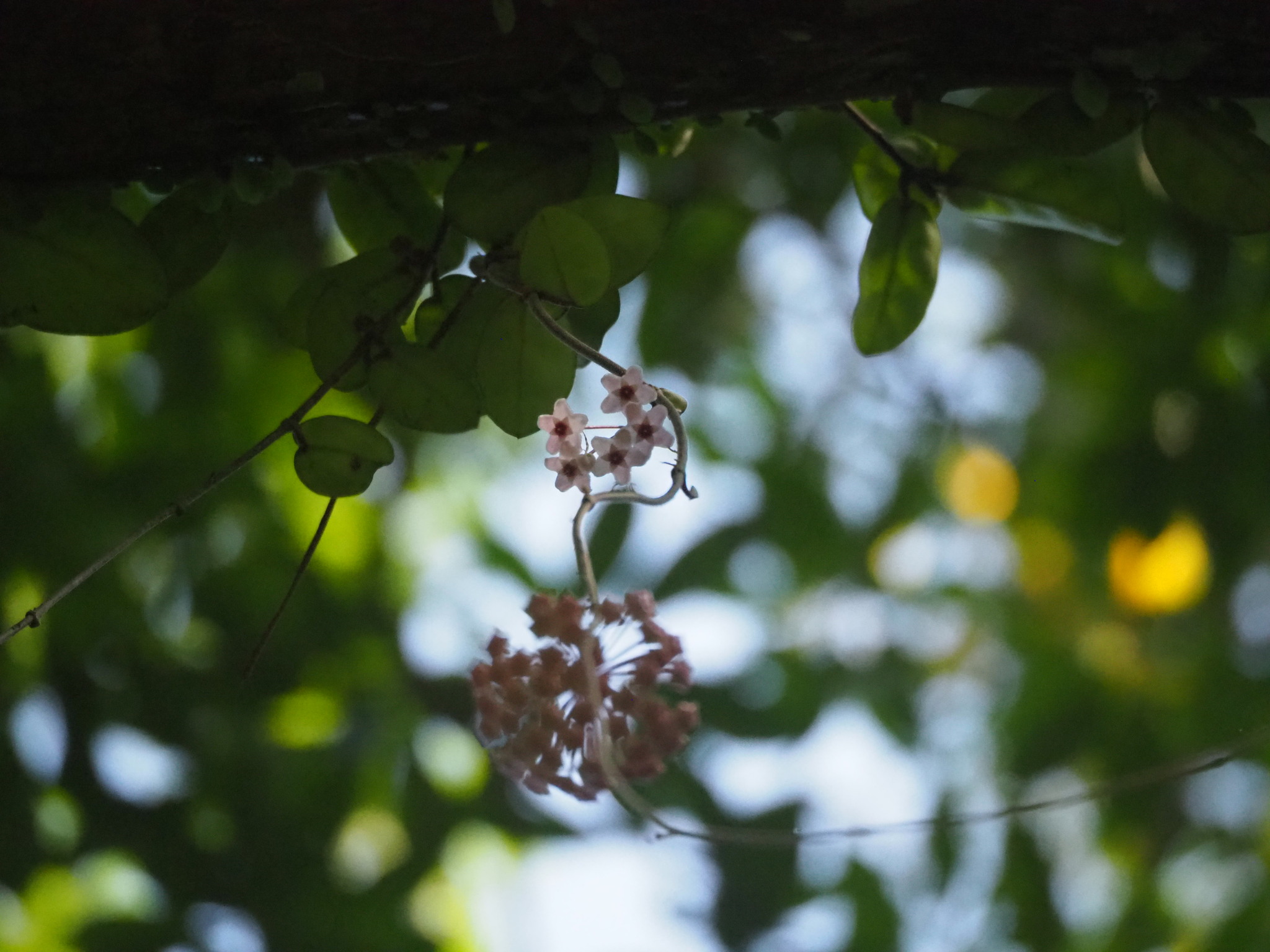
Cultivars of H. carnosa
The named forms growers keep — each with its own page, each honest about how much we know.
No named cultivars catalogued under H. carnosa yet. When growers document a stable, named form, it earns its own page here.
Guide
The species-level account. Cultivar pages build on this and say where they differ.
The wax plant, introduced
Hoya is a genus of tender evergreen climbers and trailers grown indoors for their glossy, semi-succulent leaves and clusters of waxy, star-shaped flowers. The blooms carry a strong fragrance, most noticeable in the evening, and the genus spans hundreds of species with a wide range of leaf forms and habits.
Source: RHS
Rooted in the tropics
Hoyas come from Indo-China, Indonesia and Australasia, where they typically grow as epiphytes, wedged into tree bark or branches rather than rooted in open ground. That epiphytic upbringing, with limited access to steady moisture, is why the leaves evolved to be leathery and semi-succulent, storing water against drier spells.
Source: RHS
Light, water, and a light touch
Give hoyas bright light but keep them out of scorching summer sun, and hold room temperatures around 16–24°C, dropping no lower than 10–16°C in winter depending on species. Water moderately through spring and autumn, always letting it drain away, then cut right back from October to February when the plant is semi-dormant, never letting the compost fully dry out. They appreciate humidity in the growing season and only light feeding, a balanced orchid feed every couple of weeks in spring and summer, tapering to monthly over autumn and winter.
Source: RHS
Layering or cuttings
New hoyas can be raised for free by layering or by taking cuttings in spring or early summer. For layering, peg a low, strong shoot into a pot of moist compost until it roots, then sever it from the parent. For cuttings, take semi-ripe stems from the previous year's growth, stand them in water until roots form in a couple of weeks, then pot them up. Wear gloves throughout, as the milky sap is a skin irritant.
Source: RHS
Waxy leaves, starry blooms
What marks a hoya out is that combination of fleshy, glossy foliage and domed clusters of small, star-shaped flowers, shiny enough to look almost artificial. Habit varies by species, from vigorous climbers to compact trailers, and some cultivars add variegation or unusual leaf shapes into the mix. New flowers often return from the same spurs on older stems, so a plant can rebloom from the same points year after year.
Source: Epic Gardening
Watch for sap-suckers
Check hoyas regularly for sap-sucking pests, including mealybugs, glasshouse whitefly, and scale insects.
Source: RHS
Reading the trouble signs
Dropping or blackening leaves and dieback usually trace back to waterlogged compost or winter conditions that are too cool. Wilting and stem die-back are often the result of overwatering or overfeeding, with excess fertiliser salts blocking water uptake by the roots. Root rot from overly wet compost is generally unrecoverable, so it is worth taking cuttings as soon as it is spotted, and failure to flower usually points to insufficient light.
Source: RHS
Pruning and repotting rhythm
Hoyas can stay in the same pot for years, needing repotting only in spring once roots fill the container, and then into a pot just a little larger, since too much extra space keeps compost wet and risks rot. A sharply draining mix, such as equal parts orchid bark, peat-free multi-purpose compost and coarse perlite, suits them well. Light pruning in late winter or early spring, removing overcrowded or weak shoots, keeps growth manageable, but hoyas dislike hard pruning, so an outgrown plant is often better replaced than cut back hard. Leave old flower stalks in place after blooming, as further flowers often sprout from the same spurs.
Source: RHS
Care recipe
The species record — the baseline every cultivar inherits unless it says otherwise.
Care notes are early — not yet verified
- Light
- ai:claude-opus-4-8
- Water
- ai:claude-opus-4-8 (range 10-18d)
- Humidity
- ai:claude-opus-4-8
- Soil
- ai:claude-fable-5
- Care
- ai:claude-fable-5
Bright, indirect
≈ every 18 days
Medium
15–29 °C
Chunky, free-draining epiphyte or orchid-style mix
Stem cuttings with a node, rooted in water or mix
Dilute balanced feed monthly in spring and summer
Moderate
Fragrant star-shaped flower clusters once established; leave old spurs intact
Non-toxic to cats & dogs
Wax plant — ASPCA lists Hoya carnosa non-toxic to cats and dogs. (Other catalog Hoya remain AI-warned toxic — NOT covered by this species claim.) This is where toxicity lives: every cultivar of this species inherits it and none can override it.
Reference images
Every image credited. Licenses link to their deeds.
PrimarySources: ai:claude-opus-4-8 · ai:claude-opus-4-8 (range 10-18d) · ai:claude-fable-5 · ASPCA
Kept true by its growers
Every fact here carries its source. Grow Honeyplant yourself? What you’ve observed — how it drinks, how it holds its color, a name that’s off — and a clear photo of your plant are exactly what keep this page honest. Contributions are reviewed before anything changes.
Sign in to add what you know →