Species · genus Howea · Arecaceae
Kentia Palm
Howea forsteriana (F.Muell.) Becc.
Also known as: Forster Sentry Palm · Paradise Palm · Sentry Palm · Sentrypalm · Thatch Palm
Cultivars of H. forsteriana
The named forms growers keep — each with its own page, each honest about how much we know.
No named cultivars catalogued under H. forsteriana yet. When growers document a stable, named form, it earns its own page here.
Guide
The species-level account. Cultivar pages build on this and say where they differ.
A Quiet Tropical Presence
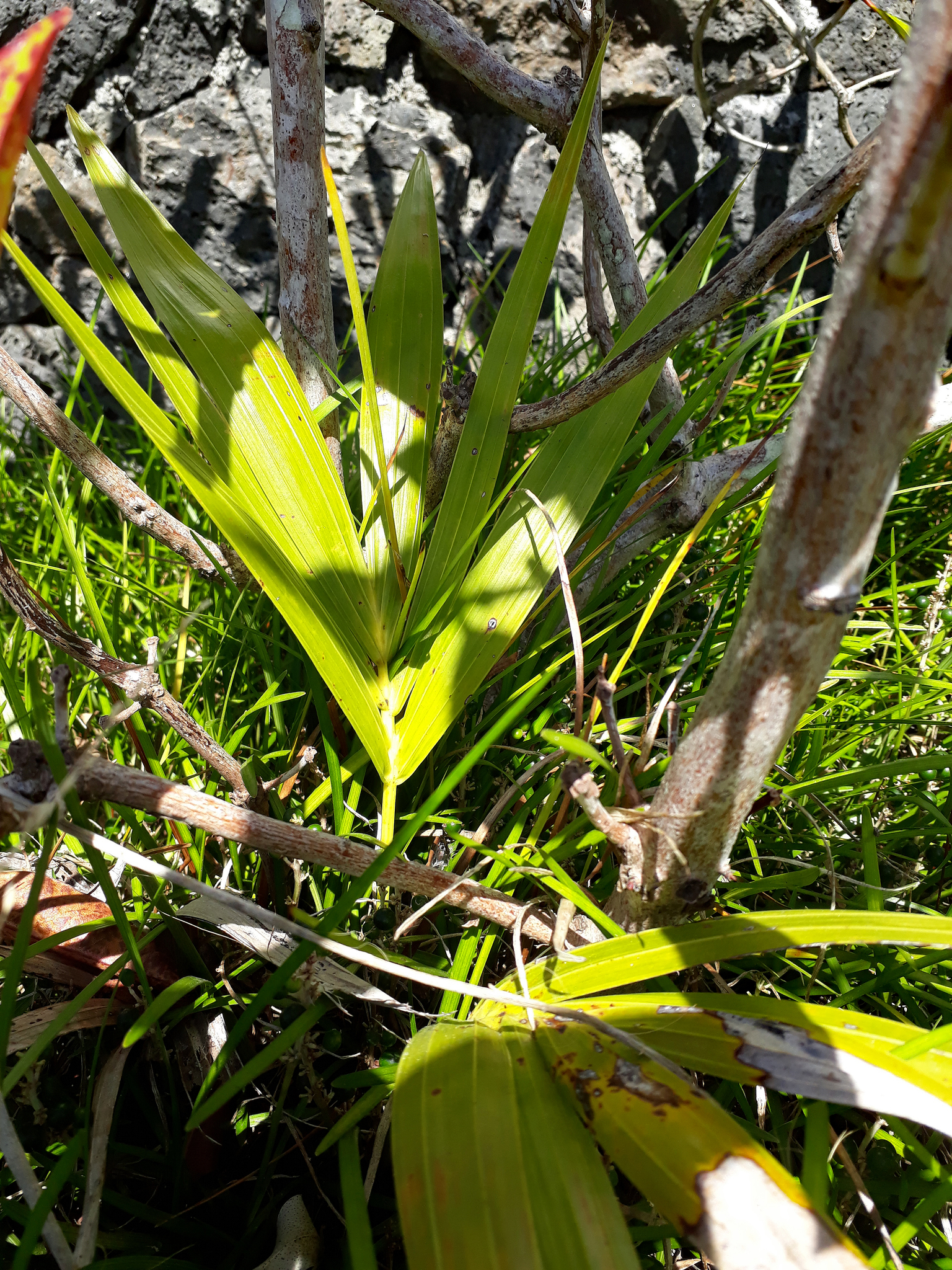
The kentia palm, Howea forsteriana, is a single-stemmed evergreen palm bearing long, dark green pinnate leaves divided into narrow segments. Indoors it stays modest in scale, though in its native setting it can eventually reach considerable height. It carries the RHS Award of Garden Merit, a mark of its reliability as a garden and container plant.
Source: RHS
Native to Lord Howe Island
This palm's natural home is Lord Howe Island in the South Pacific, and it is also known by names such as sentry palm, flat palm, and paradise palm. Its old synonym, Kentia forsteriana, is where the common name kentia comes from.
Source: RHS
Light, Water, and Warmth
Give this palm bright light but shield it from direct sun, which scorches the leaves through glass; it also tolerates fairly low light levels better than many of its relatives. Water moderately with moderate humidity while it is in growth, letting the compost surface dry slightly before watering in winter, and feed with a liquid fertiliser through summer. It prefers a minimum winter night temperature of around 16°C and benefits from good ventilation, so avoid draughts and radiators alike.
Source: RHS
Grown from Seed
Kentia palm is propagated by seed, sown at a temperature of not less than 19°C. More broadly for indoor palms, seed is best sown fresh, since viability drops within a few months, and germination can take anywhere from two months to two years depending on the species.
Source: RHS
Form and Foliage
The kentia grows as a single stem with a bushy habit, carrying large, long-stalked pinnate leaves made up of linear segments. Small star-shaped flowers appear in pendulous clusters, followed by small oval fruits, though flowering is rare when grown under glass.
Source: RHS
Watch for Sap Feeders
This palm may draw glasshouse red spider mite, thrips, and scale insects. Among indoor palms generally, mealybugs are also a possibility to watch for.
Source: RHS
Reading the Leaves
Brown, dried leaf tips usually point to underwatering or a dry atmosphere, while brown spots often follow overwatering or a sudden chill. Dull, lustreless foliage signals low humidity, and some yellowing of lower leaves is simply natural ageing, though severe yellowing suggests underwatering. Whole leaves turning brown, especially with root rot, points to overwatering; when removing dead leaves, cut rather than pull them, leaving a narrow brown margin if trimming just the tip.
Source: RHS
Repotting and Seasonal Rhythm
No pruning is required beyond removing old or dead leaves by cutting, not pulling. Indoor palms generally are repotted every two years in early spring while pot bound, until they reach 20-30cm pots, with top-dressing in the years between. Newly potted plants should go unfed for six to eight weeks, then be fed fortnightly from April to mid-September, with watering eased back in winter.
Source: RHS
Care recipe
The species record — the baseline every cultivar inherits unless it says otherwise.
Care notes are early — not yet verified
- Light
- ai:claude-opus-4-8
- Water
- ai:claude-opus-4-8 (range 7-14d)
- Humidity
- ai:claude-opus-4-8
- Soil
- ai:claude-fable-5
- Care
- ai:claude-fable-5
Bright, indirect
≈ every 14 days
Medium
15–27 °C
Well-draining, peat-based palm mix
Grown from seed; no vegetative division
Light balanced feed monthly spring through summer
Slow
Does not flower as an indoor foliage palm
Not yet documented
This is where toxicity lives — every cultivar of this species inherits it and none can override it.
Reference images
Every image credited. Licenses link to their deeds.
PrimarySources: ai:claude-opus-4-8 · ai:claude-opus-4-8 (range 7-14d) · ai:claude-fable-5
Kept true by its growers
Every fact here carries its source. Grow Kentia Palm yourself? What you’ve observed — how it drinks, how it holds its color, a name that’s off — and a clear photo of your plant are exactly what keep this page honest. Contributions are reviewed before anything changes.
Sign in to add what you know →