Species · genus Hibiscus · Malvaceae
White Molokai Hibiscus
Hibiscus arnottianus A.Gray
Also known as: White Rosemallow · Hawaiian White Hibiscus · Koki‘o Ke‘oke‘o
Cultivars of H. arnottianus
The named forms growers keep — each with its own page, each honest about how much we know.
No named cultivars catalogued under H. arnottianus yet. When growers document a stable, named form, it earns its own page here.
Guide
The species-level account. Cultivar pages build on this and say where they differ.
A Fragrant Island Native
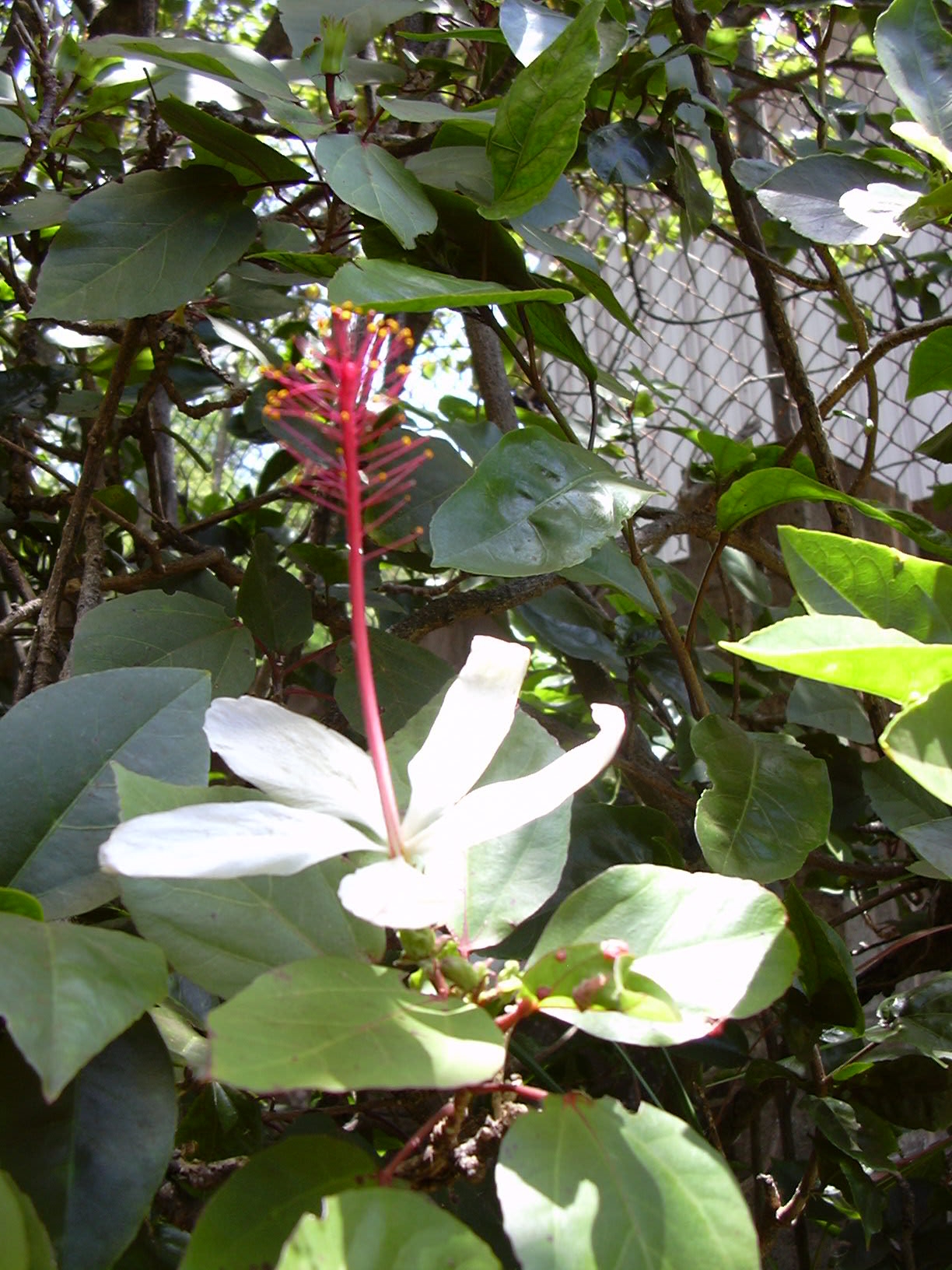
Hibiscus arnottianus is known as the O'ahu white hibiscus, a tree-form member of the mallow family valued for its white blooms that often blush pink by day's end. It is one of the native Hawaiian hibiscus species and is unusual among them for carrying a scent.
Source: Epic Gardening
Native to O'ahu
This species belongs naturally to the Hawaiian Islands, specifically O'ahu, where it grows as a tree in wet tropical forest. It was first described by botanist Asa Gray in 1854.
Source: Kew
Light, Water, and Warmth
Give this hibiscus as much sun as can be managed, though it will tolerate partial shade, and supplement with a grow light indoors if natural light is thin. Keep the soil moist but free-draining, watering daily in growth and easing off once blooming slows for winter, and offer humidity where possible. Feed lightly, roughly every two to three weeks outdoors or monthly indoors, skipping fertilizer in the cool season, and aim for daytime temperatures around 60-75°F for best flowering.
Source: Epic Gardening
Seed or Cutting
Propagation can proceed from seed or from cuttings, with cuttings the faster route. Seeds are sown a quarter inch deep and generally germinate in two to three weeks under strong light, while three to five inch cuttings dipped in rooting hormone typically develop a solid root system within three to five weeks.
Source: Epic Gardening
Scented White Blooms
The flowers open white and can shift toward pink by the end of the day, a quality shared by few other Hawaiian hibiscus. It blooms across the whole year and stands out among its native relatives for its fragrance.
Source: Epic Gardening
Sap-Feeding Troublemakers
Aphids, mealybugs, thrips, and spider mites are the common visitors, feeding on sap and stunting growth if left unchecked. A firm spray of water, insecticidal soap, or neem oil will usually bring numbers down, and Japanese beetles can also chew leaves, stems, and flowers, with their grub stage tackled using beneficial nematodes or milky spore powder.
Source: Epic Gardening
Reading the Yellow Leaves
Yellowing leaves point to a recent disruption such as a sudden shift in temperature, light, water, or a change of location, or simply a seasonal transition in spring or fall. Dropped flower buds usually trace back to temperatures outside the 60-75°F comfort range, or insufficient light or water. Root rot follows from soil kept too wet, so a well-draining mix and letting the top half inch dry before watering again helps guard against it.
Source: Epic Gardening
Winter Pruning
Pruning is not essential but keeps the plant bushy rather than letting it climb toward tree height. Trim leggy growth and stray branches during winter dormancy, which encourages fuller growth once the new season begins.
Source: Epic Gardening
Care recipe
The species record — the baseline every cultivar inherits unless it says otherwise.
Care notes are early — not yet verified
- Light
- ai:claude-opus-4-8
- Water
- ai:claude-opus-4-8 (range 5-10d)
- Humidity
- ai:claude-opus-4-8
- Soil
- ai:claude-fable-5
- Care
- ai:claude-fable-5
Direct sun
≈ every 10 days
Medium
13–30 °C
Rich, well-draining loamy potting mix
Softwood stem cuttings
Regular balanced feed every 2-4 weeks while growing
Moderate
Fragrant white blooms with bright light and warmth
Not yet documented
This is where toxicity lives — every cultivar of this species inherits it and none can override it.
Reference images
Every image credited. Licenses link to their deeds.
Sources: ai:claude-opus-4-8 · ai:claude-opus-4-8 (range 5-10d) · ai:claude-fable-5
Kept true by its growers
Every fact here carries its source. Grow White Molokai Hibiscus yourself? What you’ve observed — how it drinks, how it holds its color, a name that’s off — and a clear photo of your plant are exactly what keep this page honest. Contributions are reviewed before anything changes.
Sign in to add what you know →