Species · genus Hedera · Araliaceae
Persian Ivy
Hedera colchica (K.Koch) K.Koch
Also known as: Colchis Ivy · Fragrant Ivy
Cultivars of H. colchica
The named forms growers keep — each with its own page, each honest about how much we know.
No named cultivars catalogued under H. colchica yet. When growers document a stable, named form, it earns its own page here.
Guide
The species-level account. Cultivar pages build on this and say where they differ.
Persian Ivy, Explained
Hedera colchica, known as Persian ivy, is a vigorous, self-clinging evergreen climber prized for its large leathery leaves. It belongs to the ivy genus Araliaceae, whose members cling by aerial roots and carry small yellow-green flowers followed by dark berries.
Source: RHS
Roots In The Caucasus
This ivy's natural range runs through the western Caucasus and northern Turkey. Its many synonyms and regional names, including Colchis ivy, trace back to that native ground.
Source: RHS
Light, Soil, And Setting
Persian ivy is unfussy about light, taking full sun, partial shade, or full shade alike, and it tolerates chalk, clay, loam, and sand as long as the soil is moist but well-drained or simply well-drained. It grows best in fertile, humus-rich, alkaline ground but tolerates acidity too. The variegated Dentata forms prefer some shelter from cold, drying winds to keep their colouring intact.
Source: RHS
Rooting From Cuttings
Persian ivy is propagated by semi-hardwood cuttings taken in summer.
Source: RHS
Leaves, Habit, And Cultivars
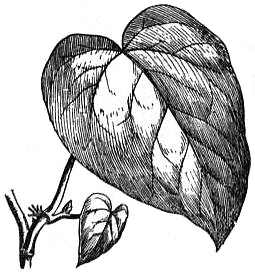
The species itself carries dark green ovate leaves up to 20cm long, while the cultivar Dentata, also called bullock's heart ivy or elephant's ears, has drooping rich green leaves reaching 25cm and sometimes lightly toothed. The Marmorata cultivar takes this further with large leathery leaves edged in a broad creamy-white margin, the young growth tinged yellowish-cream. Across the group flowers are small and inconspicuous, giving way to black berries, and as a climbing habit the plant clings by aerial roots to reach heights of several metres.
Source: RHS
Watch For These Visitors
Persian ivy may draw glasshouse red spider mite, scale insects, vine weevil, and aphids.
Source: RHS
Disease And Handling Notes
Leaf spot can turn up on this ivy, and honey fungus is a rare but possible disease. The sap is also worth respecting: it is harmful if eaten and can irritate skin, so gloves are sensible when handling it, and the same caution applies around pets.
Source: RHS
Pruning Whenever Needed
This ivy falls into pruning group eleven, which means it can be cut back at any time of year without a strict seasonal window. Given its vigour and eventual reach of several metres, regular trimming keeps it within bounds.
Source: RHS
Care recipe
The species record — the baseline every cultivar inherits unless it says otherwise.
Care notes are early — not yet verified
- Light
- ai:claude-opus-4-8
- Water
- ai:claude-opus-4-8 (range 7-12d)
- Humidity
- ai:claude-opus-4-8
- Soil
- ai:claude-fable-5
- Care
- ai:claude-fable-5
Bright, indirect
≈ every 12 days
Medium
5–24 °C
Rich, well-draining general potting mix
Stem cuttings rooted in water or soil
Balanced liquid feed monthly in spring and summer
Moderate
Rarely flowers indoors
Toxic to cats & dogs & humans
Araliaceae ivies contain triterpenoid saponins (falcarinol-type compounds and hederagenin saponins) that irritate skin and the digestive tract. This is where toxicity lives: every cultivar of this species inherits it and none can override it.
Reference images
Every image credited. Licenses link to their deeds.
Sources: ai:claude-opus-4-8 · ai:claude-opus-4-8 (range 7-12d) · ai:claude-fable-5 · ai:claude-opus-4-8 (family inference)
Kept true by its growers
Every fact here carries its source. Grow Persian Ivy yourself? What you’ve observed — how it drinks, how it holds its color, a name that’s off — and a clear photo of your plant are exactly what keep this page honest. Contributions are reviewed before anything changes.
Sign in to add what you know →