Species · genus Hedera · Araliaceae
Algerian Ivy
Hedera algeriensis Hibberd
Cultivars of H. algeriensis
The named forms growers keep — each with its own page, each honest about how much we know.
No named cultivars catalogued under H. algeriensis yet. When growers document a stable, named form, it earns its own page here.
Guide
The species-level account. Cultivar pages build on this and say where they differ.
An adaptable evergreen climber
Ivy, or Hedera, is a shade-tolerant evergreen climber that grows just as readily in full sun, and it is considered one of the easiest and most versatile plants a gardener can grow. It suits life as a climber, groundcover, houseplant, or even topiary, adapting to almost any situation it is given.
Source: RHS
Light, soil, and shelter
This ivy is content in full sun or partial shade, and does best in fertile, humus-rich soil that is moist but well-drained, ideally on the alkaline side, though it also tolerates chalk and loam across a range of pH. It benefits from shelter from cold, drying winds, and it is rated hardy through most of the UK. Left unpruned it can climb to several metres, so give it space to reach the two to four metres of height and spread it is capable of.
Source: RHS
Cuttings do the work
Ivy propagates readily from semi-ripe, or semi-hardwood, cuttings taken in summer. A length of climbing stem bearing at least two leaves, set into an open, well-drained potting medium and covered to hold humidity, will usually root and can be freed once new growth appears.
Source: RHS
Two lives, one plant
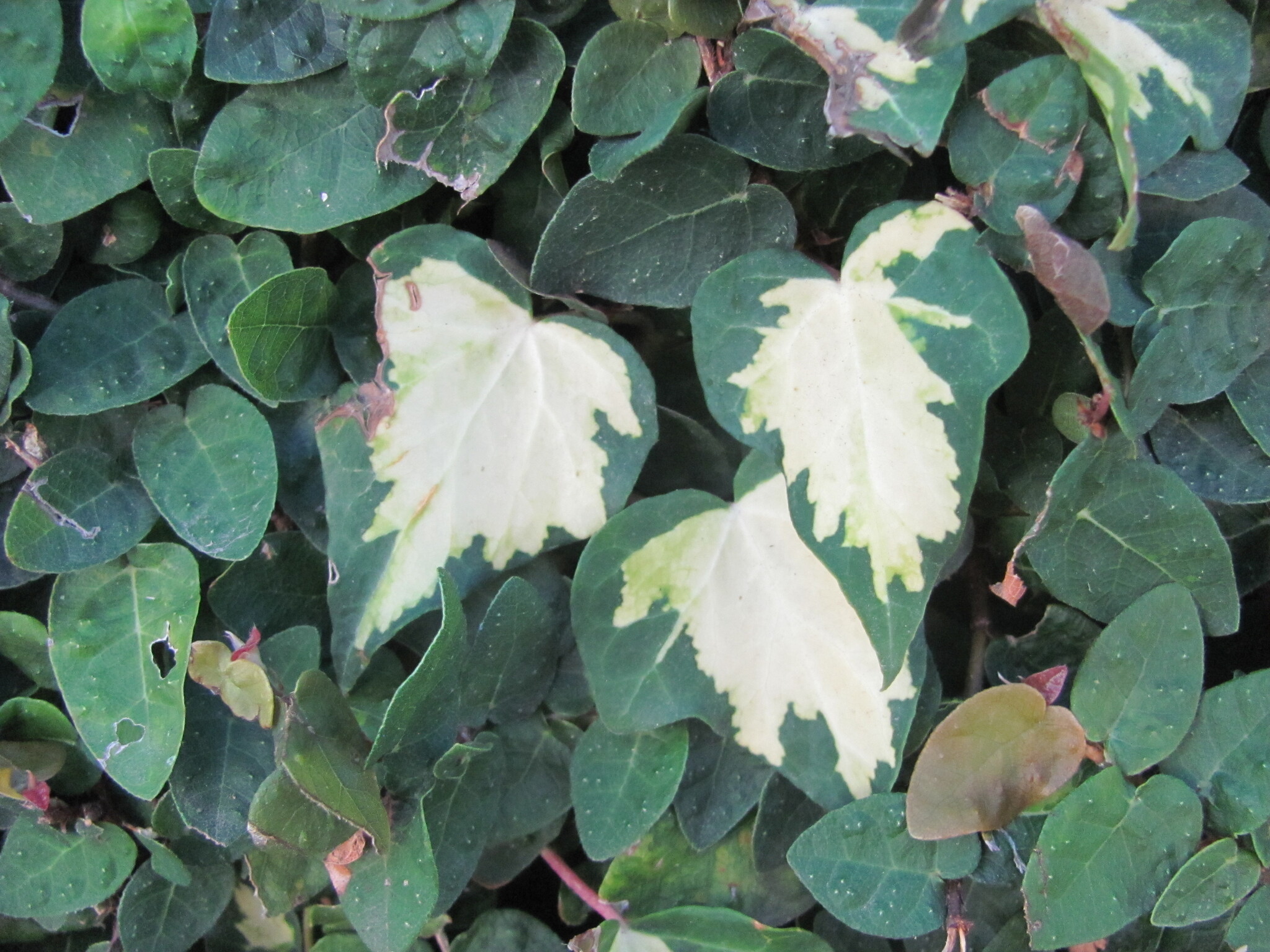
A defining trait of ivy is its shift from a juvenile to an adult phase. Young plants send out long stems that climb by clinging with roots that sprout directly from the stem, but after some years, often around a decade, growth turns shrubby, the leaves lose their lobes, and the plant begins to flower and fruit. Some cultivars, such as the variety with cream-margined, mottled leaves discussed here, rarely flower at all, staying valued instead for their vigorous, self-clinging climbing habit and its large ovate leaves marked in dark and pale green with creamy-white edges.
Source: RHS
Generally untroubled
Ivy suffers from few pests or diseases overall, though viburnum scale, aphids, and vine weevil can turn up, particularly on pot-grown or indoor plants. This variegated form specifically may also be susceptible to glasshouse red spider mite and scale insects. Leaf spot can appear too, and while unsightly it rarely affects the plant's vigour; removing infected material and keeping foliage dry when watering keeps it in check.
Source: RHS
Rare but real risks
Honey fungus can occasionally affect this ivy, though the source notes it happens rarely. Beyond that, the plant is not prone to many troubles, which is part of why it earns its reputation for being easy to grow.
Source: RHS
Pruning to keep order
Trim back excess growth in mid-spring to keep ivy tidy, and know that even overgrown plants can be hard pruned in early spring since they regenerate readily from old wood. Coloured or variegated cultivars occasionally throw shoots that revert to plain green, and these should be removed as soon as they are noticed. This particular variety falls into pruning group eleven, which can be cut back at any time, and it is worth wearing gloves when handling ivy since it can irritate skin.
Source: RHS
Care recipe
The species record — the baseline every cultivar inherits unless it says otherwise.
Care notes are early — not yet verified
- Light
- ai:claude-opus-4-8
- Water
- ai:claude-opus-4-8 (range 7-12d)
- Humidity
- ai:claude-opus-4-8
- Soil
- ai:claude-fable-5
- Care
- ai:claude-fable-5
Bright, indirect
≈ every 12 days
Medium
7–24 °C
Rich, well-draining general potting mix
Stem cuttings rooted in water or soil
Balanced liquid feed monthly in spring and summer
Moderate
Does not flower as a juvenile indoor vine
Toxic to cats & dogs & humans
Araliaceae ivies contain saponins (hederasaponins) and falcarinol-type polyacetylenes that irritate skin and the gut. This is where toxicity lives: every cultivar of this species inherits it and none can override it.
Reference images
Every image credited. Licenses link to their deeds.
Sources: ai:claude-opus-4-8 · ai:claude-opus-4-8 (range 7-12d) · ai:claude-fable-5 · ai:claude-opus-4-8 (family inference)
Kept true by its growers
Every fact here carries its source. Grow Algerian Ivy yourself? What you’ve observed — how it drinks, how it holds its color, a name that’s off — and a clear photo of your plant are exactly what keep this page honest. Contributions are reviewed before anything changes.
Sign in to add what you know →